Art Pricing Isn’t Arbitrary—It’s Engineered
The art market is often misunderstood as a world where prices are arbitrary, opaque, or driven purely by taste. In reality, most successful artists and galleries use structured pricing strategies that resemble tiered models found in luxury goods, real estate, and collectible markets. For collectors, understanding how pricing tiers work can be highly useful. It helps identify where value may exist, how an artist’s market is developing, and which level of acquisition best suits a collector’s goals.
At its core, tiered pricing in art means that an artist offers works at multiple levels of scale, rarity, complexity, and prestige. These tiers are designed to serve different buyer segments—from first-time collectors entering the market to established patrons building significant collections. Far from diluting value, a well-managed tier system often strengthens an artist’s market by broadening access while preserving exclusivity at the high end.
Why Tiered Pricing Exists in Art
Unlike mass-produced goods, original artworks are inherently limited. An artist has only so much time, energy, and creative capacity. Because of that, the market naturally sorts works into categories based on scarcity and desirability.
Several factors typically influence pricing tiers:
- Size – Larger works generally command higher prices.
- Medium – Works on canvas, wood, metal, or sculptural supports often price above paper or cardboard works.
- Complexity – Time-intensive or technically ambitious works command more.
- Importance – Certain works may represent key phases, signature styles, or breakthrough ideas.
- Exhibition history – Works shown publicly can gain status.
- Collector demand – As demand rises, premium tiers often appreciate first.
- Prestige signaling – High-value works reinforce market confidence and museum relevance.
For collectors, tiers allow flexibility. One buyer may want an accessible first acquisition. Another may seek museum-scale centerpiece works. Both can participate in the same artist’s market at different levels.
The Three Common Tiers in Artist Markets
Many serious artists evolve into a three-tier structure:
1. Entry Tier: Accessible Originals
These works are usually smaller, often on paper, cardboard, board, or modest supports. They remain original artworks, not reproductions, but are priced to welcome newer collectors.
This tier is strategically important because it creates the first layer of ownership demand. Many collectors begin here, then move upward over time.
Benefits for collectors:
- Lower capital commitment
- Original ownership rather than prints
- Easier storage and display
- Opportunity to enter an artist’s market early
Benefits for artists:
- Broader collector base
- Faster liquidity
- More homes displaying the work
- Long-term relationship building
2. Middle Tier: Core Collector Market
This is often the commercial engine of an artist’s market. Works here tend to be substantial originals on canvas, wood, or more ambitious supports. Sizes are larger, presentation stronger, and visual impact greater.
Collectors in this tier are often repeat buyers, interior designers, private clients, and serious enthusiasts.
Benefits:
- Stronger presence in a collection
- Better representation of the artist’s mature practice
- Potentially stronger long-term appreciation than entry-tier works
- More selective supply
3. High Tier: Institutional and Trophy Works
The highest tier is usually reserved for museum-quality pieces, landmark works, monumental formats, or highly resolved signature works that define an artist’s identity.
Buyers here often include:
- Established private collectors
- Family offices
- Corporates
- Foundations
- Museums
- Prestige-driven buyers
These works are not merely decorative purchases. They are often legacy acquisitions.
Roger Remaut as a Case Study in Tiered Pricing
The market structure around the works of Roger Remaut offers a clear example of how tiering functions in practice.
His work spans textured abstraction, mixed media surfaces, architectonic reliefs, expressive mark-making, and materially rich compositions. Because his practice includes both intimate works and ambitious large-scale pieces, a tiered collector market is logical and efficient.
Entry Tier: Original Works Starting at €700
Roger Remaut’s entry level begins with original works on cardboard or paper, framed, starting at approximately €700 for 20 x 20 cm framed works.
This level is highly significant. Many collectors mistakenly assume lower-priced art means lesser importance. In reality, small original works often provide direct access to an artist’s hand, experimentation, spontaneity, and material language.
For a new collector, a framed 20 x 20 cm original can be an excellent first acquisition because it offers:
- Authentic ownership of an original work
- Immediate wall-ready presentation
- Lower barrier to entry
- Exposure to the artist’s visual vocabulary
- A stepping stone into future collecting
Collectors who buy intelligently at this tier often acquire multiple works over time rather than making one large speculative purchase.

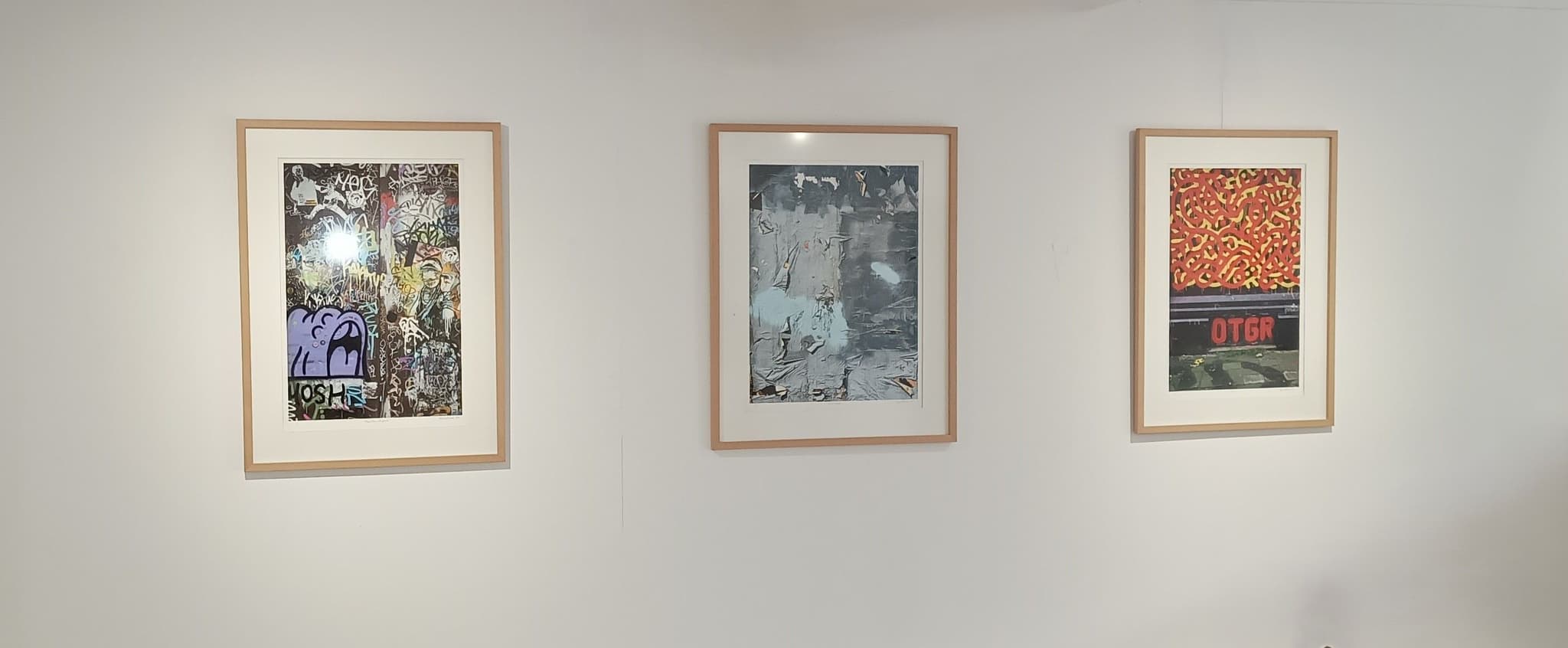
Make art Not War work on paper by Remaut.
Middle Tier: €5,000 to €15,000
The middle market for Roger Remaut consists of original paintings on canvas or wood, generally priced between €5,000 and €15,000.
This range often represents the strongest value zone in many artist markets. Why? Because it captures works substantial enough to embody the artist’s signature language, while still remaining attainable for serious private collectors.
At this tier, buyers may expect:
- Larger formats
- Greater visual presence
- More complex layering and materials
- Stronger display impact
- Works suitable as focal points in homes or offices
For collectors, this is frequently the “sweet spot.” These works can carry much of the prestige of high-tier examples while remaining significantly below institutional pricing levels.
In many markets, appreciation often becomes more visible first in this middle tier, especially when an artist’s reputation grows.
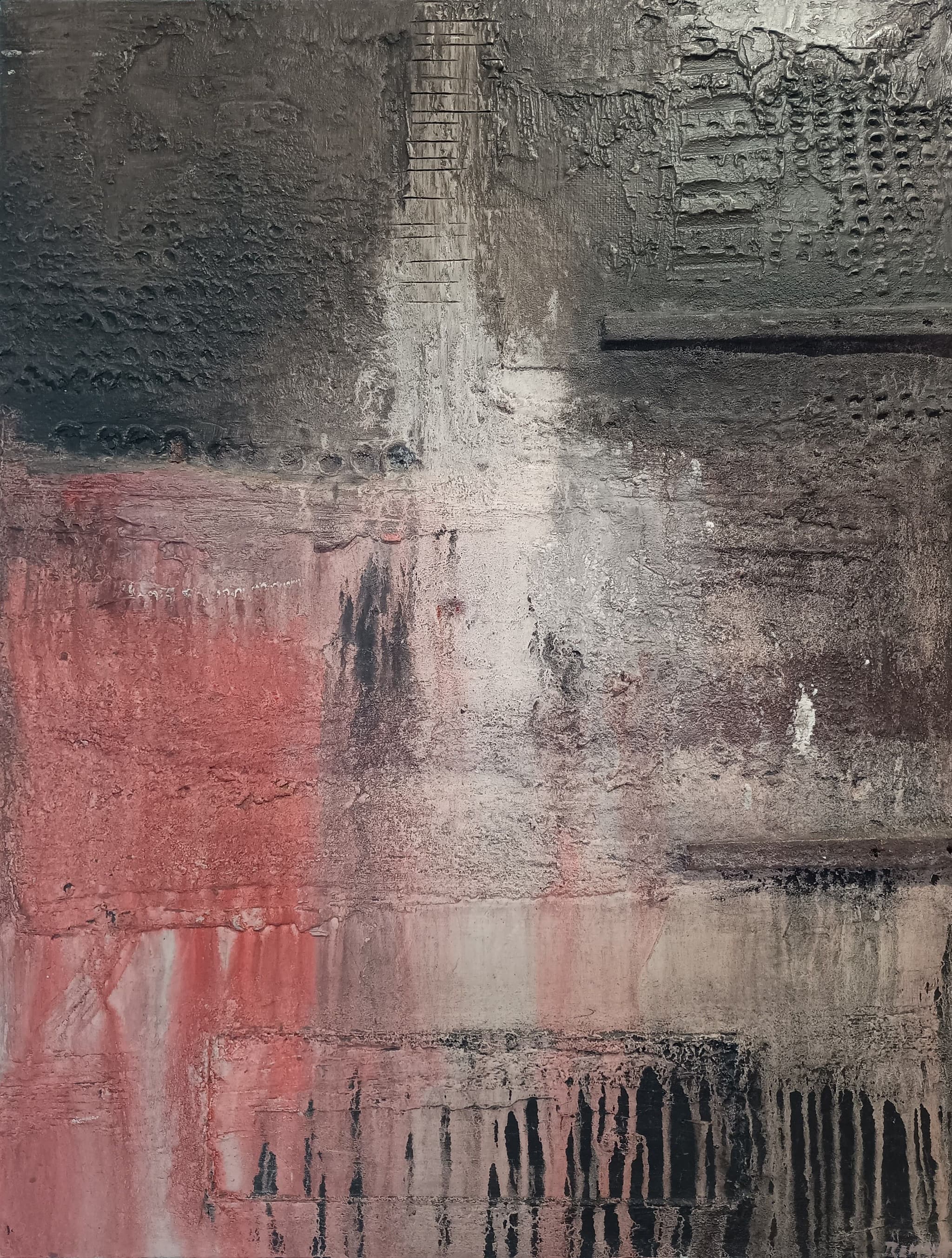
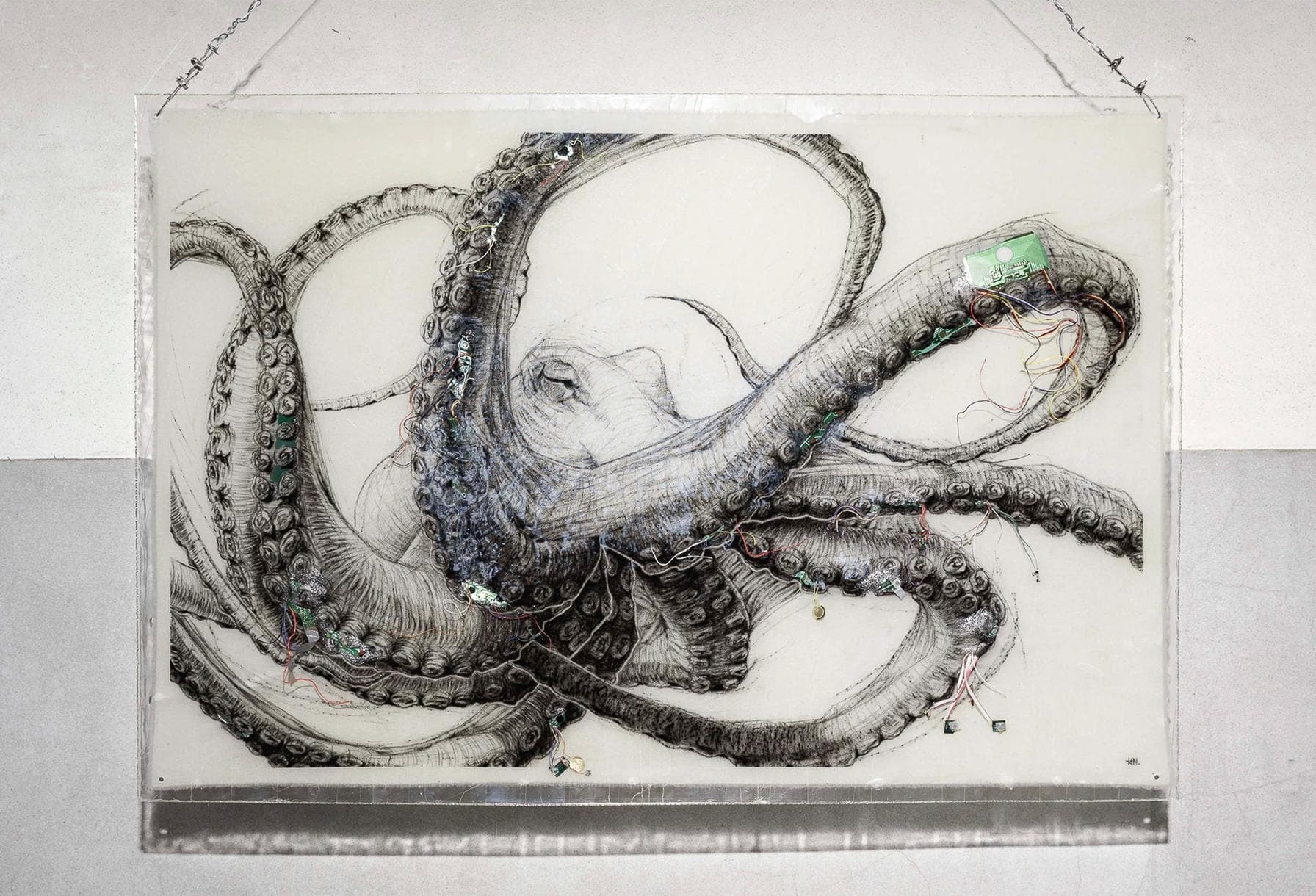
Painting XXI by Remaut
High Tier: €25,000 to €60,000
Roger Remaut’s upper tier ranges from €25,000 to €60,000, aimed at high-end collectors and museums.
This category includes the most important works in scale, innovation, finish, or historical significance within the artist’s practice. Monumental relief works, landmark canvases, or museum-ready pieces naturally sit here.
Collectors at this level are often seeking:
- Signature works
- Scarcity
- Collection-defining acquisitions
- Exhibition-quality objects
- Long-term cultural relevance
Museums and advanced collectors do not simply buy square meters of surface area. They buy significance. High-tier pricing often reflects that.
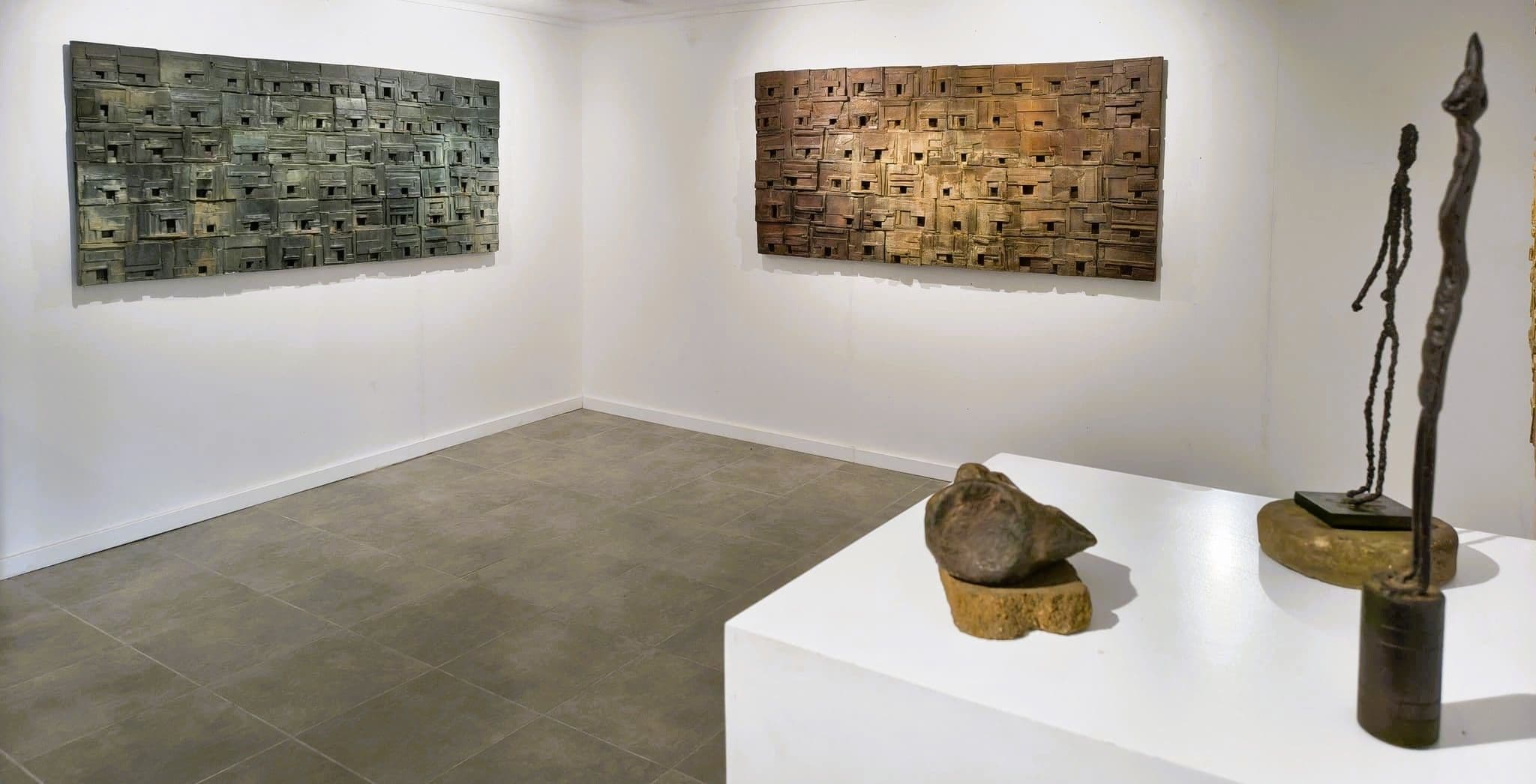
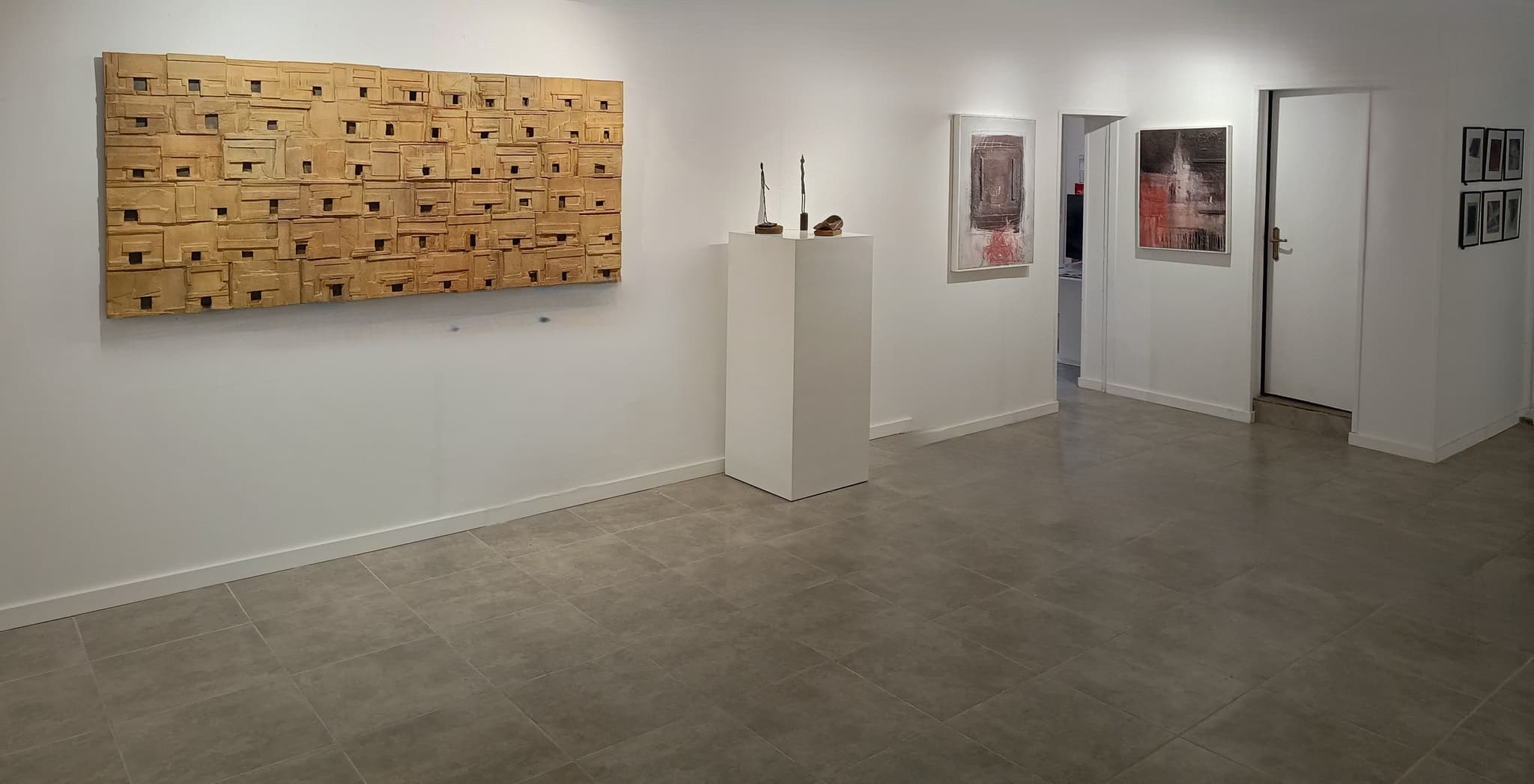
Relief series by Remaut.
Why Tiering Helps Collectors
A healthy tier system gives collectors options and clarity.
If You Are a New Collector
The €700 entry tier may be ideal. It allows learning through ownership and relationship-building without major exposure.
If You Want a Serious Statement Piece
The €5,000–€15,000 range is often where commitment and quality meet.
If You Build Legacy Collections
The €25,000–€60,000 range becomes relevant when acquiring fewer but more important works.
Psychological Dynamics of Tiering
Collectors often move upward in stages.
A buyer who starts with a €700 framed work may later purchase a €7,500 canvas, then eventually pursue a flagship work. This progression is common because collecting is rarely static. Knowledge increases, confidence rises, and emotional attachment deepens.
For artists, this ladder creates continuity of demand.
For collectors, it creates a pathway.
What Smart Collectors Watch For
When evaluating tiered markets, pay attention to:
- Whether prices are consistent across similar works
- Whether high-tier works are genuinely scarce
- Whether middle-tier works are underpriced relative to high-tier demand
- Whether entry-tier works are originals rather than decorative fillers
- Whether institutional interest is emerging
If these conditions exist, the market structure may be healthy.
Final Thoughts
Tiered pricing is not manipulation—it is market architecture. It allows artists to serve multiple collector classes while preserving hierarchy and scarcity.
In the case of Roger Remaut, the structure is coherent:
- €700 entry tier for framed originals on cardboard or paper
- €5,000–€15,000 middle tier for serious paintings on canvas or wood
- €25,000–€60,000 high tier for major works aimed at elite collectors and museums
For collectors, understanding these layers can improve decision-making. Whether seeking an accessible first acquisition or a museum-grade centerpiece, knowing how tiers function helps buyers purchase with confidence, context, and strategy.