Xochi Magazine.
The Collector’s Edge: Inside the Primary Art Market
Author
Belinda Levez
Published
Feb 2026
Share
The Collector’s Edge: Inside the Primary Art Market
The art world is divided into two markets - primary and secondary.
Secondary markets where works are resold can offer interesting opportunities, but they also carry structural risks—uncertain provenance, complicated attribution history, and the appearance of forgeries A 2021 study by ArtNet showed that approximately 20% of artworks sold in the secondary market at auctions and galleries raise concerns regarding their authenticity.
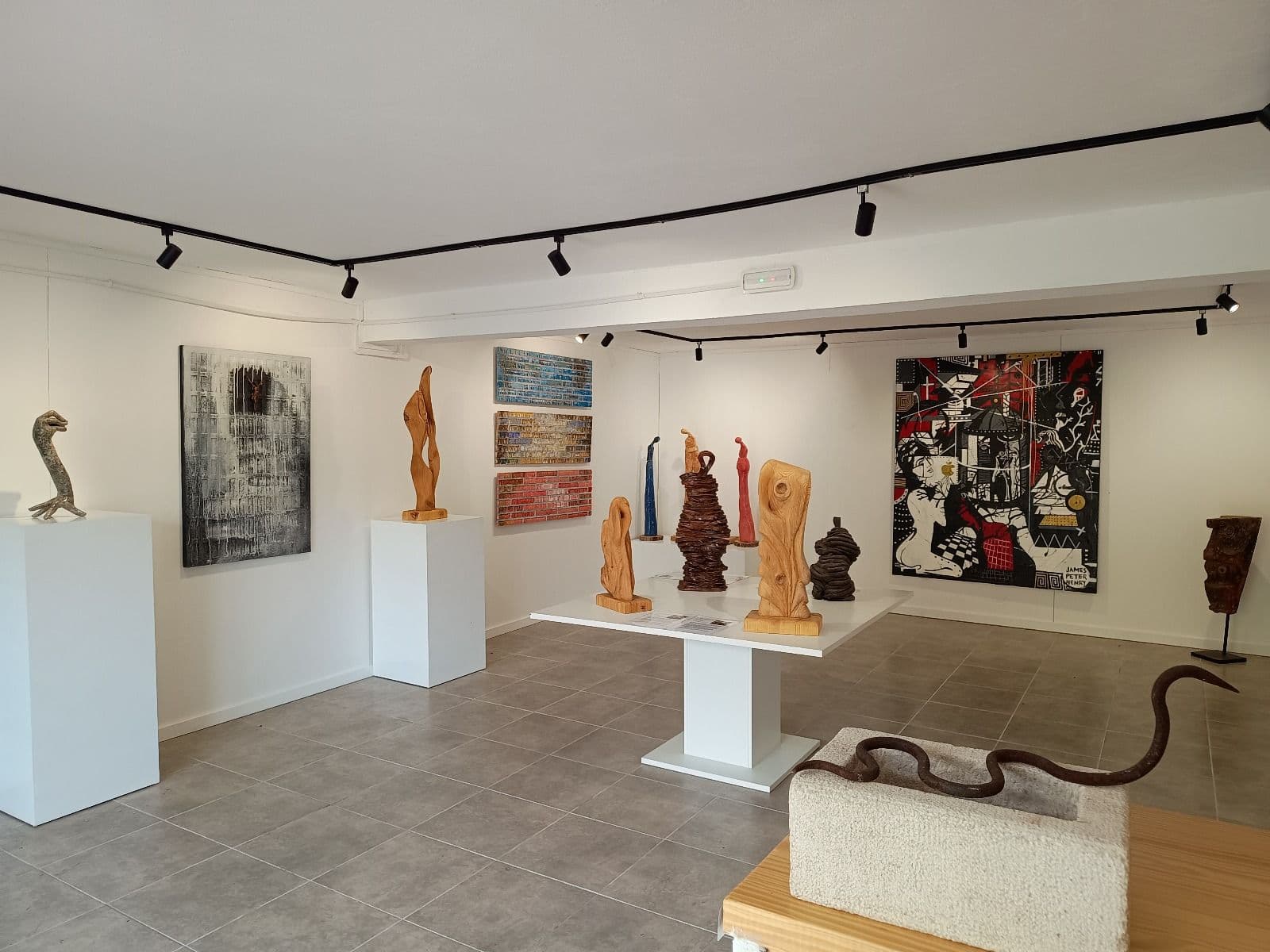
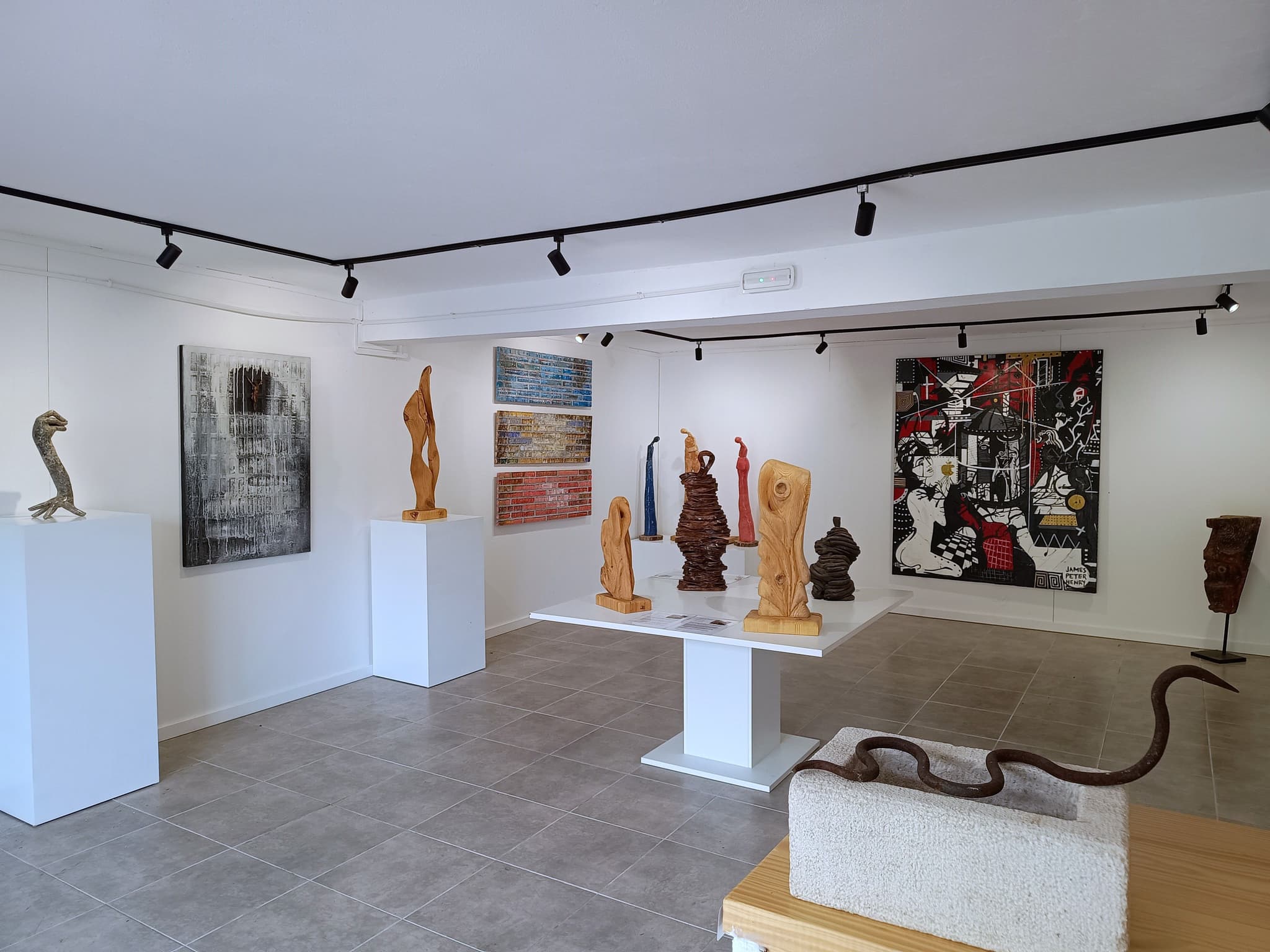
In contrast, primary galleries operate at the source. They represent living artists and sell work directly from their artists’ studios, giving collectors confidence in authenticity and clear origin. When you buy from a primary gallery, you are entering the market at the point where the work is created, documented, and professionally managed.
Primary galleries also provide documentation that supports long-term ownership. Works purchased through a reputable primary gallery are typically accompanied by certificates of authenticity issued by the gallery or the artist, helping verify authorship, edition structure, and provenance.
Another practical advantage of the primary market is pricing. Works are often available at earlier career-stage valuations compared to secondary market resale prices, where scarcity, market momentum, and speculative demand can drive costs higher. For collectors building long-term collections, the primary market can offer more accessible entry points.
Primary collecting is relationship-based.
The real advantage is access, not inventory. As you build trust with a gallery, you may be invited to preview exhibitions before they open, see available works early, and receive updates about new artistic directions emerging from the artists’ studios. In contemporary collecting, information and timing often shape opportunity.
But serious collectors are not chasing opportunity alone—they are building understanding
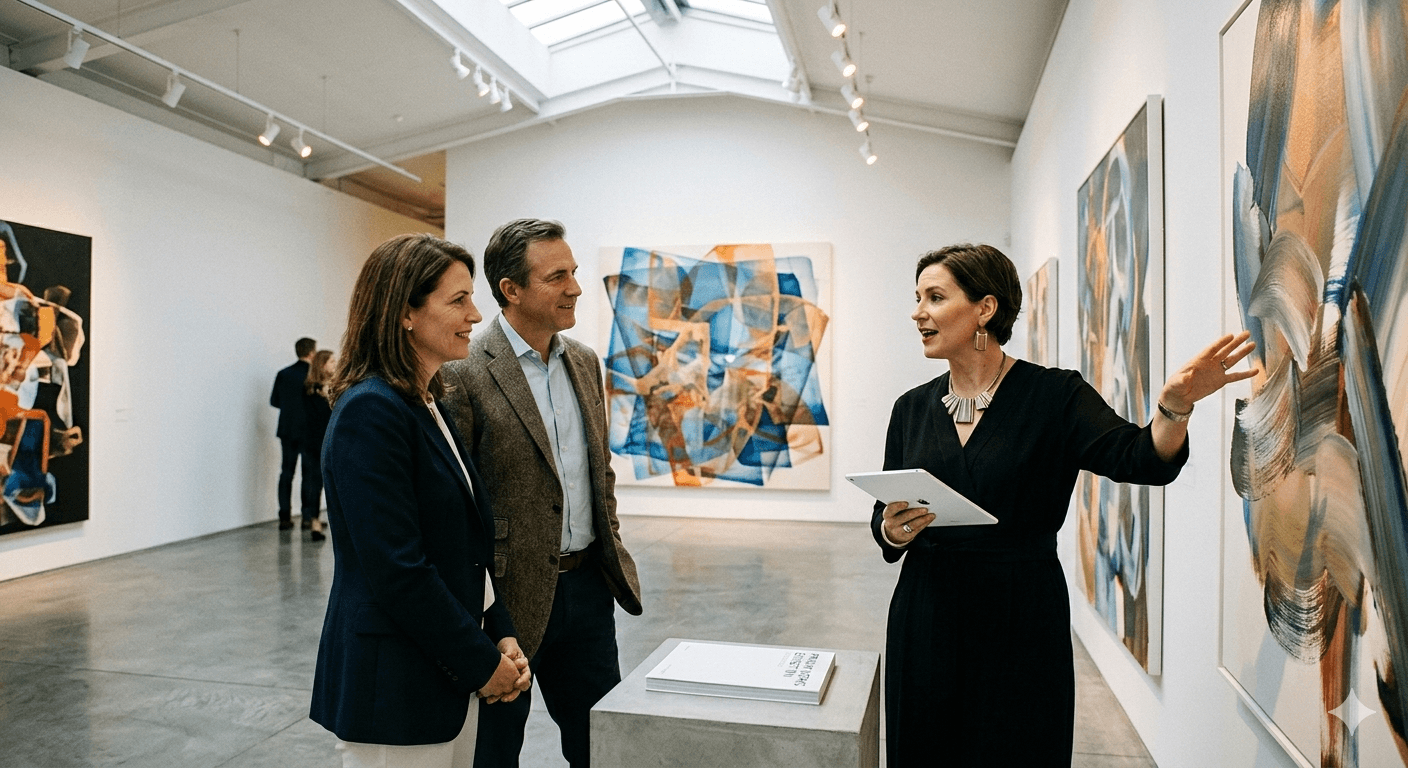
Primary galleries know their artists deeply. Through studio visits, exhibition conversations, and process discussions, collectors can learn how a work is made, why it exists, and where the artist intends to take their practice in the future. Collecting becomes less about acquiring objects and more about understanding ideas.
The best collections are coherent, not scattered.
Working with a primary gallery helps you develop a collecting philosophy. If you communicate what you are drawn to—whether it is certain materials, cultural themes, scale, or conceptual language—the gallery can help you discover artists aligned with that vision. The most valuable acquisitions are often not the works a collector initially searched for, but the works revealed through expert guidance.
Primary galleries are built for the long game.
Their success depends on developing artists over time through exhibitions, institutional partnerships, publications, and cultural visibility. When you collect from a primary gallery, you are participating in an artist’s career development rather than reacting to short-term market trends.
Access in the primary market is often earned through engagement
Collectors who attend exhibition openings, join gallery communications, and participate thoughtfully in programming tend to receive more personalized information. Over time, this can translate into priority access when new works are released.
One of the most underappreciated benefits of a primary gallery relationship is curated discovery. The contemporary art world is vast and fragmented. Instead of searching blindly, you can share your collecting interests and receive considered recommendations from professionals who know their artists’ work in depth.
Transparency is non-negotiable in reputable primary galleries. Pricing structures, edition sizes, availability, and acquisition timelines should be communicated clearly. Trust is built when collectors feel informed rather than pressured.
Collecting is also cultural participation. When you acquire work through a primary gallery, you are supporting exhibitions, studio practice, research, and the continued development of artistic production.
If you are serious about collecting, start by engaging intentionally. Attend openings. Join mailing lists. Introduce yourself with your interests rather than purchase requests. Demonstrate curiosity before transaction.
The best collectors are not the ones who buy the fastest. They are the ones who build the deepest relationships.
In the long run, collecting is not about possession. It is about insight, connection, and patience. The strongest collections are rarely built alone—they are built in partnership—with a primary gallery acting as both guide and gateway.
Never miss a Feature.
Exhibitions • Interviews • News
Est. 2024