Xochi Magazine.
Ostend: The Artistic Heartbeat of the Belgian Coast
Author
Belinda Levez
Published
Mar 2026
Share
Ostend: The Artistic Heartbeat of the Belgian Coast
Ostend’s connection to the arts is deeper than its status as a seaside resort. Over the last two centuries, it has been home to some of Belgium’s most original and influential visual artists. Whether through groundbreaking modernism, expressive introspection, or imaginative technique, these creators have helped define national and European art movements.
James Ensor (1860–1949) — The Maverick Modernist
For many art historians, James Ensor is the artist most synonymous with Ostend. Born in the city in 1860, Ensor spent almost his entire life there, drawing deeply on his surroundings — from carnival culture to seaside life — for inspiration.
Ensor’s work defies easy categorization: his paintings and etchings blend satire, grotesquerie, and social critique with hallucinatory colour and compositional absurdity. Masks, skeletons, and carnival figures recur across his oeuvre, often in grotesque procession — most famously in The Entry of Christ into Brussels (1888), a monumental canvas packed with carnival masks and satirical commentary on social hypocrisy.
Although contemporaries sometimes overlooked or misunderstood him, Ensor is now widely regarded as a precursor to Expressionism and Surrealism. His work’s combination of sharply observed society and fantastical imagery places him among the most distinctive voices in early modern art.
Léon Spilliaert (1881–1946) — Poet of Shadow and Solitude
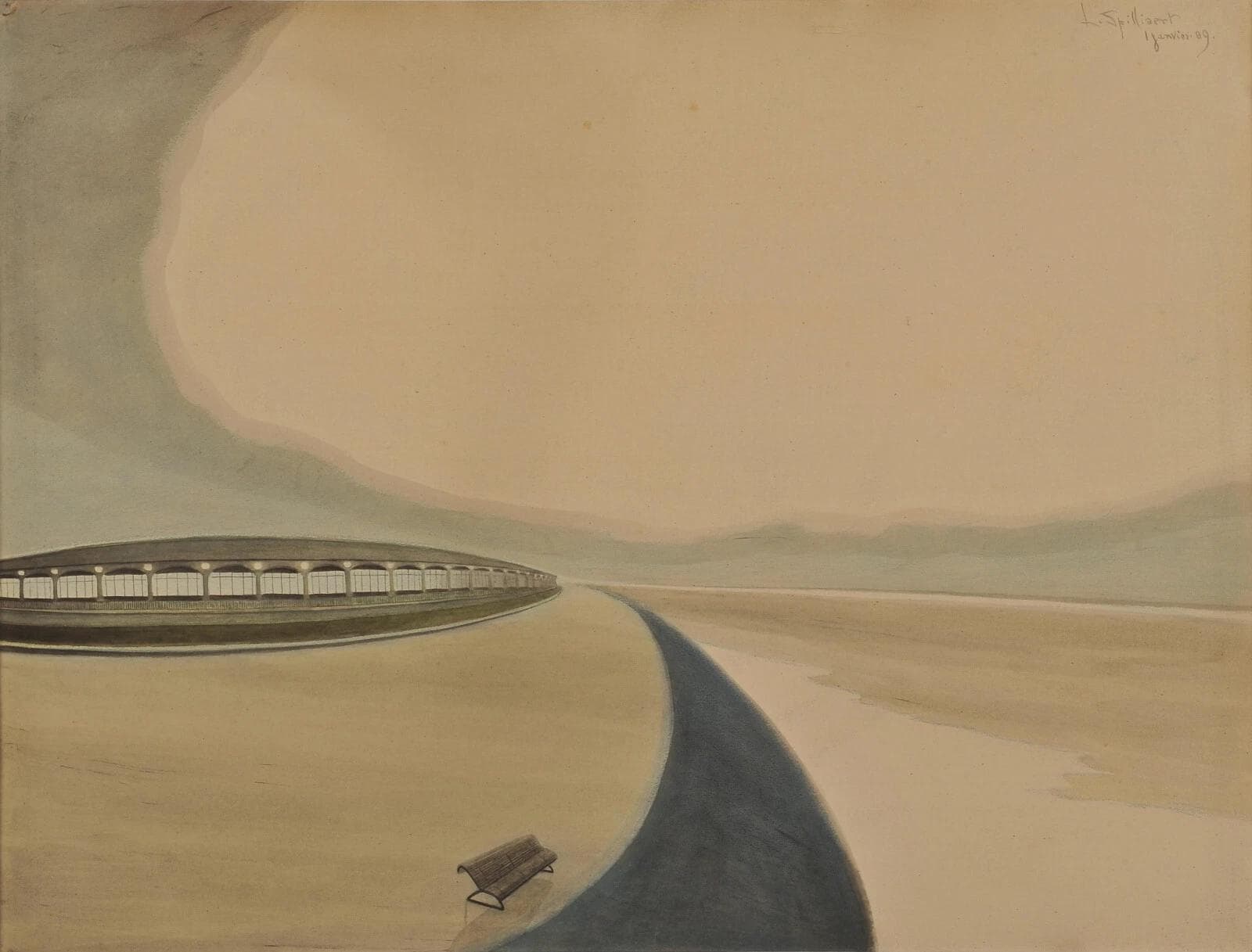
Almost two decades younger than Ensor, Léon Spilliaert charted a very different artistic path. Born in Ostend in 1881, Spilliaert developed a highly personal visual language that often reflects emotional and existential tension.
Spilliaert was particularly known for his introspective drawings and paintings, many executed in pastel, gouache, ink, or wash. His works often depict stark, haunting scenes — deserted urban streets, lonely promenades, or brooding seascapes — capturing isolation and twilight moods with uncanny precision.
Infused with elements of Symbolism, Spilliaert’s art is less about literal representation and more about inducing feeling: a sense of silence, solitude, and emotional intensity that distinguishes his work from more narrative traditions. Throughout his career, he remained anchored in Ostend, making the city’s grey skies and empty spaces integral to his visual identity.
Constant Permeke (1886–1952) — Flemish Expressionism’s Powerhouse
While not born in Ostend, Constant Permeke — whose family moved there during his youth — became one of the leading figures of Flemish Expressionism. Growing up in Ostend, he absorbed the maritime landscapes and human energy of Flanders, which would later feed into his powerful, visceral work.
Permeke’s paintings and sculptures are characterized by robust forms and earthy tonality that convey the labour and dignity of everyday life. Often depicting fishermen, farmers, and rural life with muscular solidity and emotional force, Permeke transformed regional subjects into universally resonant expressions of human experience.
During his lifetime, his reputation grew through major exhibitions in Belgium and abroad, and today Permeke is regarded as one of the most important Belgian artists of the 20th century.
François Musin (1820–1888) — Seascapes and Coastal Narratives
Before the modernist revolutions of the 20th century, François Musin was already establishing Ostend’s artistic reputation in the 19th century with his seascapes and coastal scenes. Born and raised in Ostend, Musin developed a deep affinity for maritime subjects, capturing harbours, rivers, and the changing moods of the North Sea with a keen observational eye.
Musin’s work reflects both technical proficiency and a romantic sensibility toward coastal life, contributing to Belgium’s artistic engagement with water and landscape painting — a tradition that resonates with the broader European Romantic movement of his era.
René Coucke (1938–2016) — Post‑Impressionist Innovation
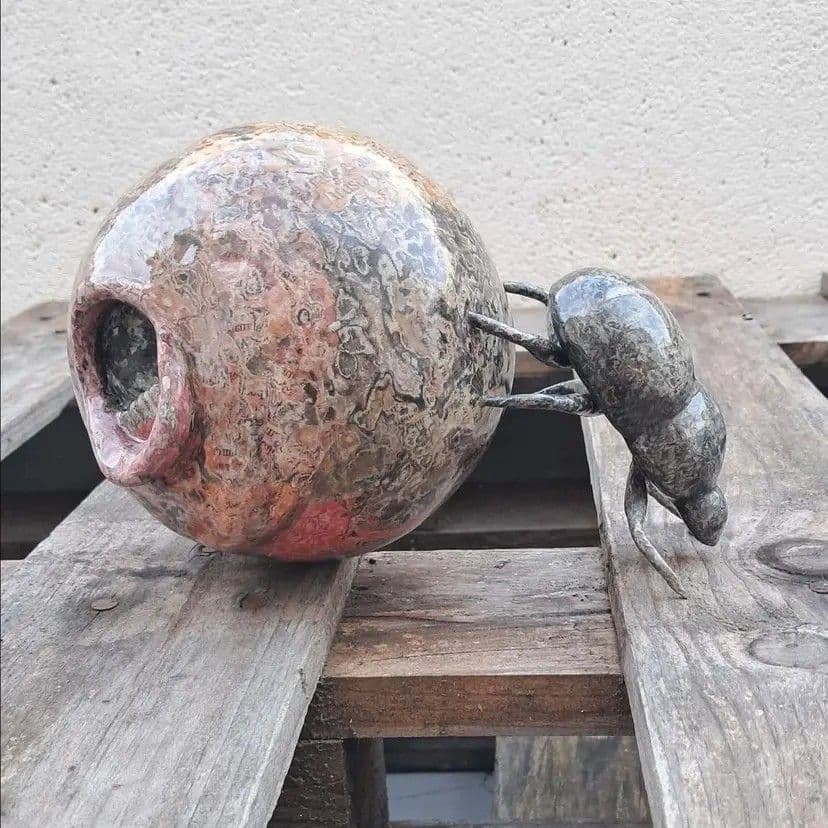
A more recent figure in the Ostend canon is René Coucke, a post‑impressionistic artist known for his expressive work in both painting and sculpture. His career spanned over five decades during which he produced works in bronze, tin, wood, and steel — blending traditional techniques with modern expression.
Coucke’s public sculptures and paintings, visible in various Belgian cities, reflect a continued engagement with material and form that bridges post‑impressionist sensibility with contemporary art practice.
Renaat Bosschaert (1938–2006) — Printmaking and Graphic Innovation
Another significant Ostend artist, Renaat Bosschaert, was a multidisciplinary creator known for his work in painting, engraving, printmaking, and ceramic art. Born in Ostend in the same year as Coucke, Bosschaert became notable for his large‑format art folios and hand‑pulled engravings, often connected to literary works and cultural history.
His artistic output — including collaborations with writers and contributions to limited editions — reflects an engagement with both visual art and the printed word, situating him as a unique figure in Belgium’s graphic arts tradition.
Roger Remaut (born 1942) — Materiality and Mixed Media
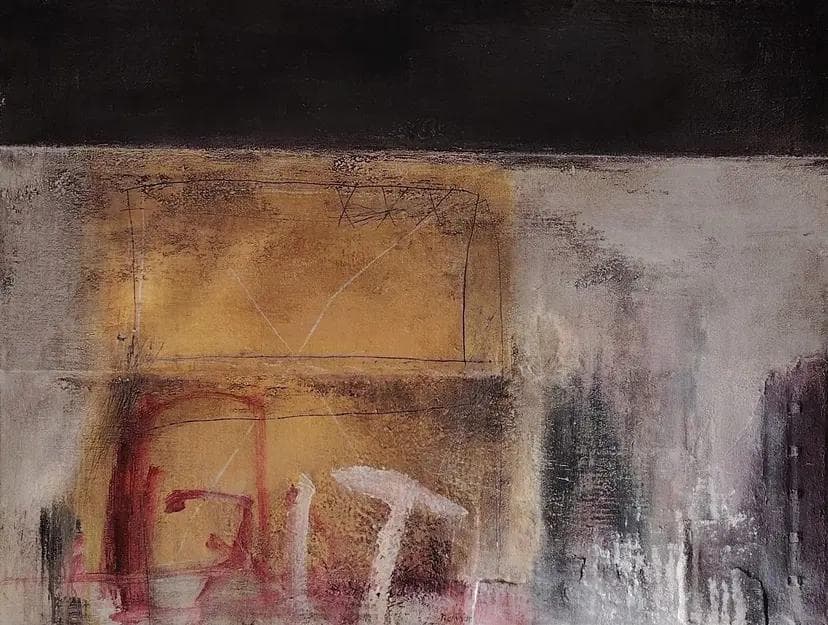
Among contemporary artists from Ostend, Roger Remaut stands out for his experimental use of mixed media. Born in Ostend in 1942, Remaut’s work incorporates objects, textures, and layers of paint to create richly layered paintings that challenge traditional boundaries between painting and collage.
Remaut’s pieces, shown across Europe, reflect a post‑modern engagement with surface and substance, positioning him among the noteworthy living artists representing Ostend’s ongoing artistic vitality.
Ostend’s Continuing Artistic Legacy
Today, Ostend’s artistic identity extends beyond its historical figures. The city hosts vibrant festivals, public art projects, and institutions such as Mu.ZEE, which showcase both historic masters and emerging creators. Ostend’s blend of old and new — from Ensor’s carnival masks to modern street murals — keeps its visual culture alive and evolving.
From the somber introspection of Spilliaert to the inventive energy of contemporary makers, Ostend remains a rich reservoir of artistic innovation, shaped by the sea, society, and a long tradition of fearless creativity.
Never miss a Feature.
Exhibitions • Interviews • News
Est. 2024