Como Começar a Colecionar Arte Contemporânea: Um Guia para Colecionadores de Primeira Viagem
Pensa que colecionar arte é apenas para investidores abastados? Pense novamente. A maioria das coleções de arte não começa com uma estratégia de alto risco — começa com uma única peça que o cativa. Escrito da perspetiva de um galerista, este guia prático explica como navegar em galerias, decifrar preços e comprar com confiança a sua primeira peça de arte contemporânea.
Belinda Levez · 01/06/2026
Como Começar a Colecionar Arte Contemporânea: Um Guia para Colecionadores Iniciantes
Este é um guia prático para colecionar arte contemporânea para compradores iniciantes, incluindo como começar, o que procurar e como funcionam as galerias.
Aprender a começar a colecionar arte contemporânea pode parecer intimidante para compradores iniciantes. Muitas pessoas assumem que colecionar arte é reservado para investidores ricos, colecionadores experientes ou curadores. Mas a maioria das coleções de arte começa com uma única obra de arte comprada devido a uma conexão pessoal, muitas vezes adquirida sem qualquer estratégia de longo prazo em mente.
O que distingue um colecionador de arte não é o tamanho ou o valor da sua coleção, mas a decisão de começar a interagir com a arte para além da observação - de viver com ela, apoiá-la e permitir que se torne parte do seu ambiente.
Este guia descreve as considerações essenciais para colecionadores de arte contemporânea pela primeira vez, particularmente no contexto do sistema de galerias atual. Foi escrito da perspetiva de um proprietário de galeria que trabalha diretamente com artistas contemporâneos e colecionadores.
O Que É Arte Contemporânea?
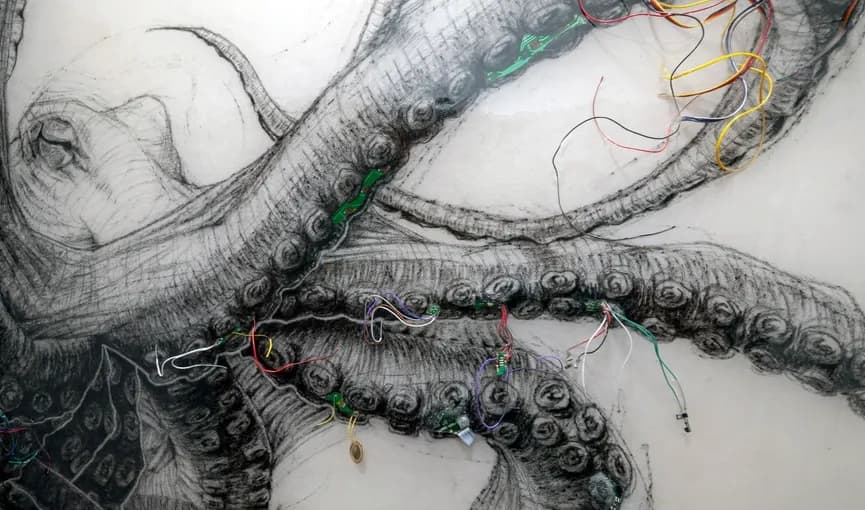
A arte contemporânea refere-se à arte feita por artistas vivos, geralmente do final do século XX (por volta dos anos 70) até aos dias de hoje. Reflete as condições culturais, políticas e tecnológicas da época em que é feita, o que significa que está em constante evolução.
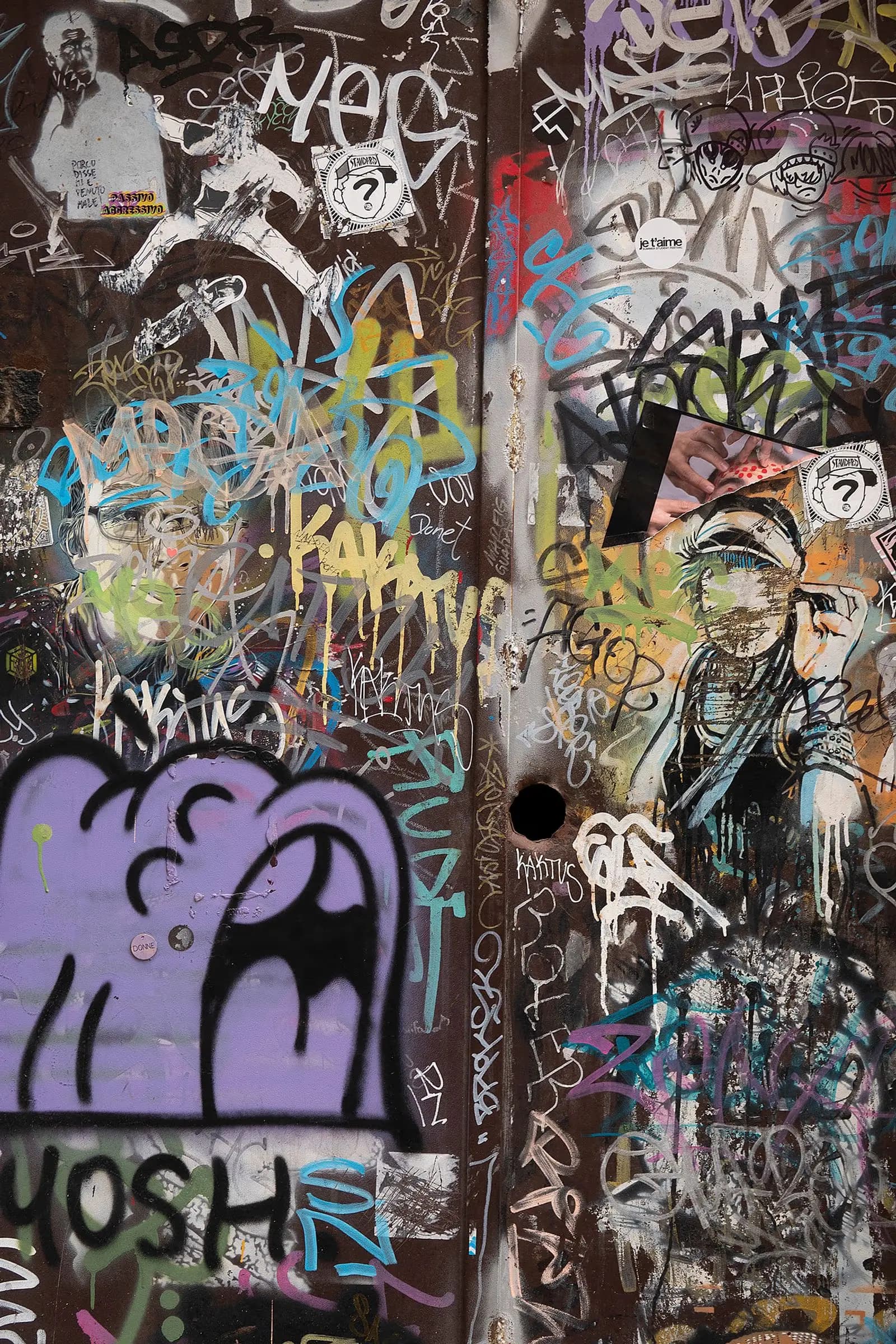
A arte contemporânea não se refere a um único estilo. Em vez disso, inclui uma vasta gama de abordagens, desde pintura e escultura a fotografia, instalação, vídeo, performance, arte digital e práticas emergentes como o trabalho gerado por IA. Muitos artistas contemporâneos dão ênfase a ideias e conceitos, mas isto varia muito de artista para artista e não é uma regra definidora.
Como é que a Arte Contemporânea Difere da Arte Moderna?
A arte contemporânea e a arte moderna são frequentemente confundidas, e os termos são por vezes usados de forma intercambiável, mas referem-se a períodos históricos diferentes.
A arte moderna refere-se geralmente à arte produzida a partir de meados do século XIX (por volta da década de 1860) até à década de 1970. Este período inclui movimentos importantes como o Impressionismo, Cubismo, Futurismo, Surrealismo e Expressionismo Abstrato. Caracterizou-se por um afastamento gradual das abordagens académicas tradicionais e estritamente representacionais em direção à experimentação e à abstração.
A arte contemporânea segue a arte moderna e refere-se à arte produzida a partir da década de 1970 em diante. Enquanto a arte moderna faz agora parte da história da arte, a arte contemporânea ainda está a ser produzida e responde diretamente à vida atual, incluindo a globalização, a cultura digital, a identidade e as questões políticas e sociais contemporâneas.
Porquê as Pessoas Colecionam Arte Contemporânea?
As pessoas compram arte por muitas razões diferentes, muitas vezes uma mistura de motivações emocionais, sociais, estéticas e financeiras. A singularidade das obras de arte originais atrai muitos colecionadores, pois cada peça oferece algo distinto e insubstituível que não pode ser replicado através da produção em massa. No mundo de hoje, onde quase tudo sai de uma fábrica, é um prazer possuir uma obra de arte única feita à mão.
Comprar arte contemporânea oferece uma vantagem única: está a adquirir obras diretamente de artistas vivos, muitas vezes com a oportunidade de se envolver com a sua visão e prática criativas. Ao contrário do mercado secundário, onde as obras de arte são negociadas através de leilões, negociantes e galerias de revenda, e onde questões de proveniência e autenticidade podem por vezes surgir, o mercado primário de arte contemporânea proporciona um caminho mais claro e direto para a posse.
A arte contemporânea pode também ser surpreendentemente acessível. Muitos artistas emergentes vendem o seu trabalho a preços relativamente modestos, permitindo que novos colecionadores construam coleções significativas sem os custos substanciais frequentemente associados a artistas estabelecidos. A compra de obras no início da carreira de um artista não só apoia o seu desenvolvimento criativo, mas também oferece aos colecionadores a oportunidade de adquirir peças significativas antes que o reconhecimento mais amplo e a procura do mercado impulsionem os preços para cima.
Razões Emocionais para Colecionar Arte Contemporânea
Muitas pessoas compram arte porque cria uma ligação pessoal e emocional. Uma obra de arte pode lembrar alguém de uma memória, um lugar que visitou, um ente querido ou uma experiência de vida significativa. Viver com arte também pode proporcionar prazer, conforto, inspiração e estímulo intelectual. Para alguns colecionadores, a arte serve como uma forma de autoexpressão, refletindo os seus valores, gostos, crenças e personalidade. Adicionalmente, as obras de arte podem evocar emoções poderosas como admiração, nostalgia, tranquilidade, excitação ou contemplação, tornando-as adições significativas às vidas das pessoas.
Como a Arte Contemporânea Melhora a Sua Casa e Espaço de Vida
A arte é frequentemente comprada pela sua capacidade de melhorar e transformar um espaço. Quer seja exibida numa casa, escritório ou ambiente público, a arte pode adicionar beleza, carácter e interesse visual. Diferentes obras de arte podem ajudar a criar uma atmosfera desejada, fazendo com que uma sala pareça enérgica, sofisticada, pacífica ou divertida. Os compradores também podem selecionar obras de arte que complementem a arquitetura, mobiliário, paleta de cores ou o design interior geral de um espaço, ajudando a criar um ambiente coeso. Uma escultura pode melhorar um espaço exterior, adicionando um ponto focal ao design de um jardim.
Benefícios Intelectuais e Culturais da Coleção de Arte
Muitos colecionadores são atraídos pela arte devido ao seu significado intelectual e cultural. A arte pode introduzir os espectadores a novas ideias, histórias, perspetivas e formas de ver o mundo. Alguns compradores veem-se como mecenas que apoiam artistas e a sua prática criativa. Alguns sentem particular satisfação em descobrir talentos emergentes e apoiar artistas nas fases iniciais das suas carreiras, desenvolvendo muitas vezes relações de longo prazo com eles à medida que o seu trabalho evolui.
Outros são atraídos por movimentos artísticos, tradições, períodos ou heranças culturais particulares, encontrando significado em possuir obras que os conectam a narrativas históricas e culturais mais amplas.
Aspetos Sociais da Coleção de Arte
Fatores sociais também influenciam a compra de arte. Possuir obras de arte notáveis pode transmitir estatuto, sofisticação, consciência cultural ou sucesso pessoal. A arte serve frequentemente como um ponto de conversa, incentivando a discussão e criando experiências memoráveis para os convidados. Os colecionadores podem também gostar de fazer parte de uma comunidade maior através de relações com artistas, galerias, museus e outros colecionadores que partilham interesses semelhantes.
As compras de arte estão frequentemente ligadas a experiências significativas. Os compradores podem valorizar a oportunidade de conhecer artistas, visitar estúdios, assistir a exposições e acompanhar as carreiras dos artistas ao longo do tempo.
Motivações para Colecionar
O próprio ato de colecionar pode ser uma motivação poderosa para comprar arte. Construir uma coleção em torno de um tema, meio, artista, assunto ou período histórico específico pode ser intelectualmente estimulante e pessoalmente gratificante. Muitos colecionadores apreciam o processo de pesquisa, aquisição e organização de obras ao longo do tempo. Alguns também se veem como guardiões de objetos culturalmente significativos, ajudando a preservar obras de arte para as gerações futuras. A arte também pode ser adquirida com o planeamento de legado em mente, pois as coleções podem ser passadas a membros da família, doadas a instituições ou usadas para estabelecer um legado pessoal duradouro.
A Arte Contemporânea é um Bom Investimento?
A arte é frequentemente comprada como um investimento, com colecionadores a esperar que o seu valor aumente ao longo do tempo. Outros veem a arte como uma forma de diversificar os seus portefólios de investimento, incluindo ativos alternativos. Comparada com outras formas de investimento, a arte é ilíquida. Demora tempo a ser revendida. Embora possa ser vendida rapidamente em leilão, preços melhores podem ser obtidos vendendo através de uma galeria ou privadamente. Não deve ser vista como um investimento para enriquecer rapidamente, pois apenas uma pequena percentagem de artistas atinge uma apreciação substancial no mercado. Os colecionadores devem comprar a arte que amam, pois o valor emocional muitas vezes excede o retorno financeiro.

Comprar Arte Contemporânea em Galerias: O Que Esperar
As galerias de arte são o principal ponto de entrada no mundo da arte contemporânea. Elas fornecem não apenas acesso a obras, mas também contexto: exposições, declarações de artistas e enquadramento curatorial. As galerias desempenham um papel fundamental na identificação e apoio a artistas com potencial a longo prazo.
As Galerias de Arte São Intimidantes?
Existem muitas ideias erradas sobre galerias. Não há qualquer expectativa de que compre algo quando visita uma galeria. É perfeitamente aceitável dar uma vista de olhos e sair se não vir nada que lhe agrade. A maioria das galerias permite tirar fotografias.
As pessoas preocupam-se frequentemente por não saberem o suficiente sobre arte ou por não compreenderem a arte. Toda a arte contemporânea é diferente, pelo que, ao ser apresentada com um novo trabalho, não se espera que o compreenda. A galeria terá uma declaração do artista disponível que explica porque e como o artista criou o trabalho. Algumas imprimem PDFs individuais para cada obra de arte com uma explicação.
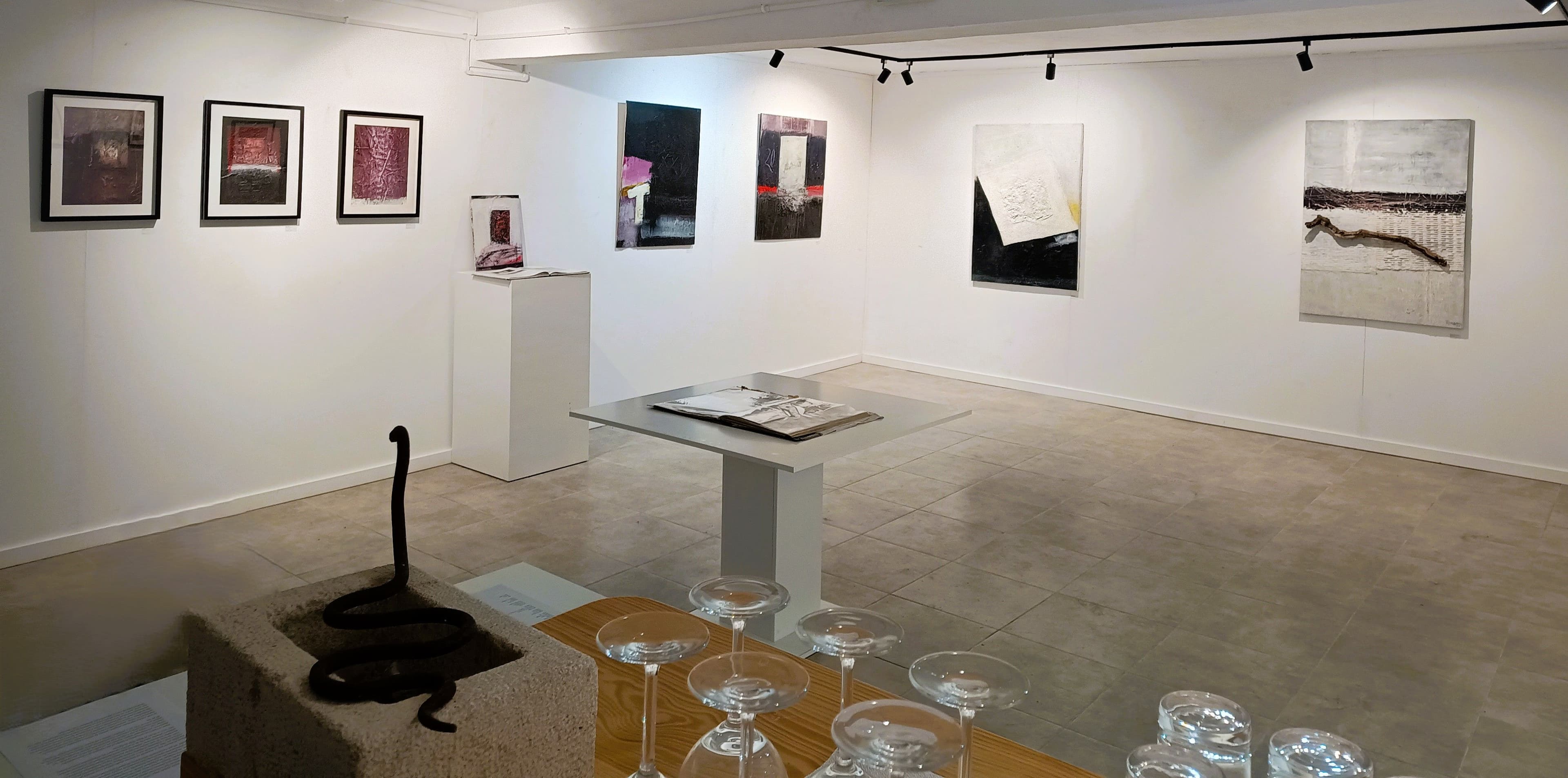
Na Xochi Art Gallery, imprimimos uma explicação de cada obra de arte, uma lista de preços e uma declaração do artista. Também exibimos o CV do artista e um dossiê com recortes de imprensa, cartazes de exposições e livros que apresentam o artista. O CV do artista mostra onde expôs e quaisquer distinções que tenha recebido. A equipa da galeria está também disponível para falar sobre e explicar a arte em venda.
Se for à inauguração/vernissage, haverá frequentemente um discurso de apresentação dos artistas. Terá também a oportunidade de falar diretamente com os artistas, que poderão explicar o seu trabalho. A inauguração oferece um ambiente descontraído onde pode beber um copo de vinho e contemplar a arte. Algumas galerias complementam a arte com música ao vivo ou leituras de poesia. Nem toda a gente gosta de inaugurações; alguns colecionadores preferem ver a arte em privado, quando a galeria está calma. A maioria das galerias tem todo o gosto em proporcionar visitas privadas.
Comprar arte é muitas vezes um processo lento. As galerias sabem que os colecionadores levam o seu tempo e podem ver uma peça várias vezes antes de se comprometerem a comprar.
Compreender o Papel das Galerias de Arte Contemporânea na Coleção de Arte
O mundo da arte está saturado de arte e pode ser difícil encontrar obras que não sejam apenas de boa qualidade, mas também que valham a pena colecionar. As galerias continuam a ser essenciais para a colecção contemporânea. Elas funcionam como guardiãs, selecionando artistas que julgam ter talento e uma carreira a longo prazo no mundo da arte. Elas fornecem enquadramento curatorial, apoiam as práticas dos artistas e mediam entre a produção de estúdio e a aquisição pelo colecionador.
Para novos colecionadores, as galerias funcionam frequentemente como espaços educativos e pontos de acesso, oferecendo uma visão sobre como os artistas se desenvolvem ao longo do tempo e como os corpos de trabalho evoluem através das exposições.
Outras Formas de Descobrir Arte Contemporânea
Para além das galerias, os colecionadores interagem frequentemente com:
- Espaços geridos por artistas
- Ateliês abertos
- Feiras de arte
- Exposições institucionais
- Cada vez mais, plataformas online selecionadas
Cada uma oferece um nível de acesso diferente, mas as galerias continuam centrais no estabelecimento de relações entre artistas e colecionadores.
Encontrar Arte Que Ressoe Consigo
Para colecionadores de primeira viagem, a clareza surge muitas vezes da simplificação em vez da análise excessiva.
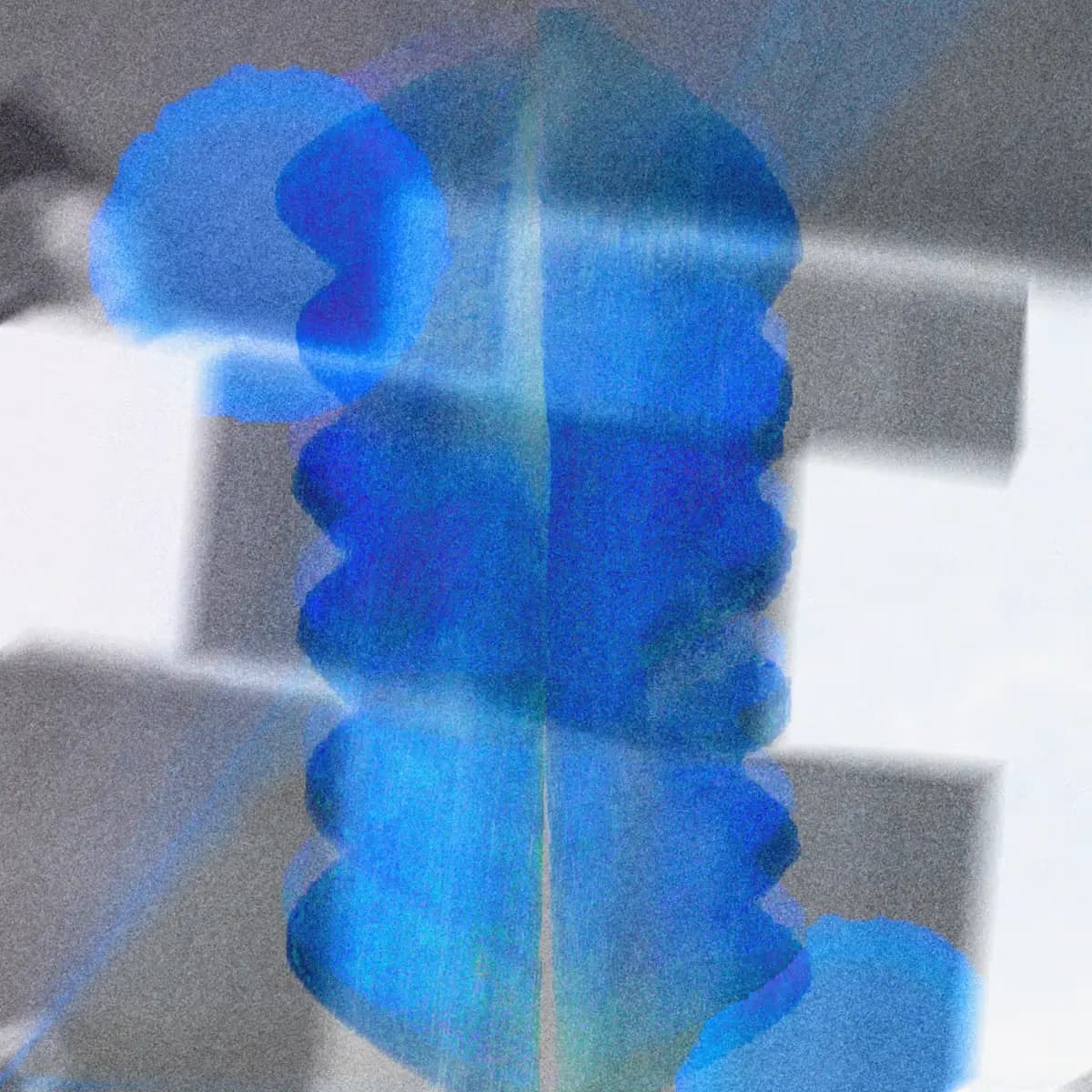
Não existe um ponto de entrada fixo. Alguns colecionadores começam através de visitas a galerias, outros através de encontros em estúdios, descoberta online ou uma única exposição cativante. O que importa não é o percurso, mas o momento de reconhecimento - quando uma obra de arte parece valer a pena ser guardada em vez de simplesmente vista.
Embora a coleção seja frequentemente enquadrada como estratégica, a maioria dos inícios é intuitiva em vez de calculada. As primeiras compras raramente fazem parte de um plano estruturado. Tendem a emergir de:
- Uma visita a uma galeria onde uma obra em particular permanece na memória
- Uma visita ao ateliê que oferece contacto direto com a prática de um artista
- Uma exposição que altera a perceção ou a resposta emocional
- Uma recomendação de um curador, consultor ou colecionador de confiança
Na maioria dos casos, colecionar começa não com uma procura de investimento, mas com uma resposta à presença, ao material e ao significado.
Considerações chave incluem:
1. Resposta pessoal
A base mais consistente da colecção é o interesse sustentado. Uma obra deve continuar a prender a atenção para além do encontro inicial.
2. Viver com a obra
Ao contrário da visualização numa galeria, a coleção introduz a questão da proximidade a longo prazo. Como uma obra se comporta em espaço doméstico ou profissional torna-se parte da sua importância. Uma obra de arte é muitas vezes uma viagem de descoberta. Mudar-se-á ao longo do dia à medida que a luz do sol capta diferentes partes da obra. Descobrirá novos detalhes quanto mais tempo olhar. Pode evocar emoções particulares.
3. Meio e escala
Os iniciantes encontram frequentemente acessibilidade em obras sobre papel, pinturas de pequena escala ou edições limitadas. Estes formatos permitem a entrada na coleção sem exigir um grande compromisso financeiro. À medida que ganha mais confiança com o trabalho de um determinado artista, pode considerar uma compra de maior valor.
4. Prática do artista
Compreender a prática mais ampla de um artista, em vez de uma única obra, ajuda a estabelecer o contexto. As galerias desempenham um papel central no fornecimento desta estrutura.
O que perguntar antes de comprar arte contemporânea
A obra é original ou faz parte de uma edição?
Se a obra for original, será o único exemplar e única. Os originais vendem-se a preços mais elevados do que as edições.
Uma edição limitada não é uma obra original. É uma tiragem de um número específico de exemplares, por exemplo, 20 cópias. Todas as obras são idênticas. Cada uma será numerada e assinada pelo artista. É comum que o preço de uma edição suba à medida que se esgota. Os primeiros compradores são recompensados com preços mais baixos.
A moldura ou o pedestal estão incluídos?
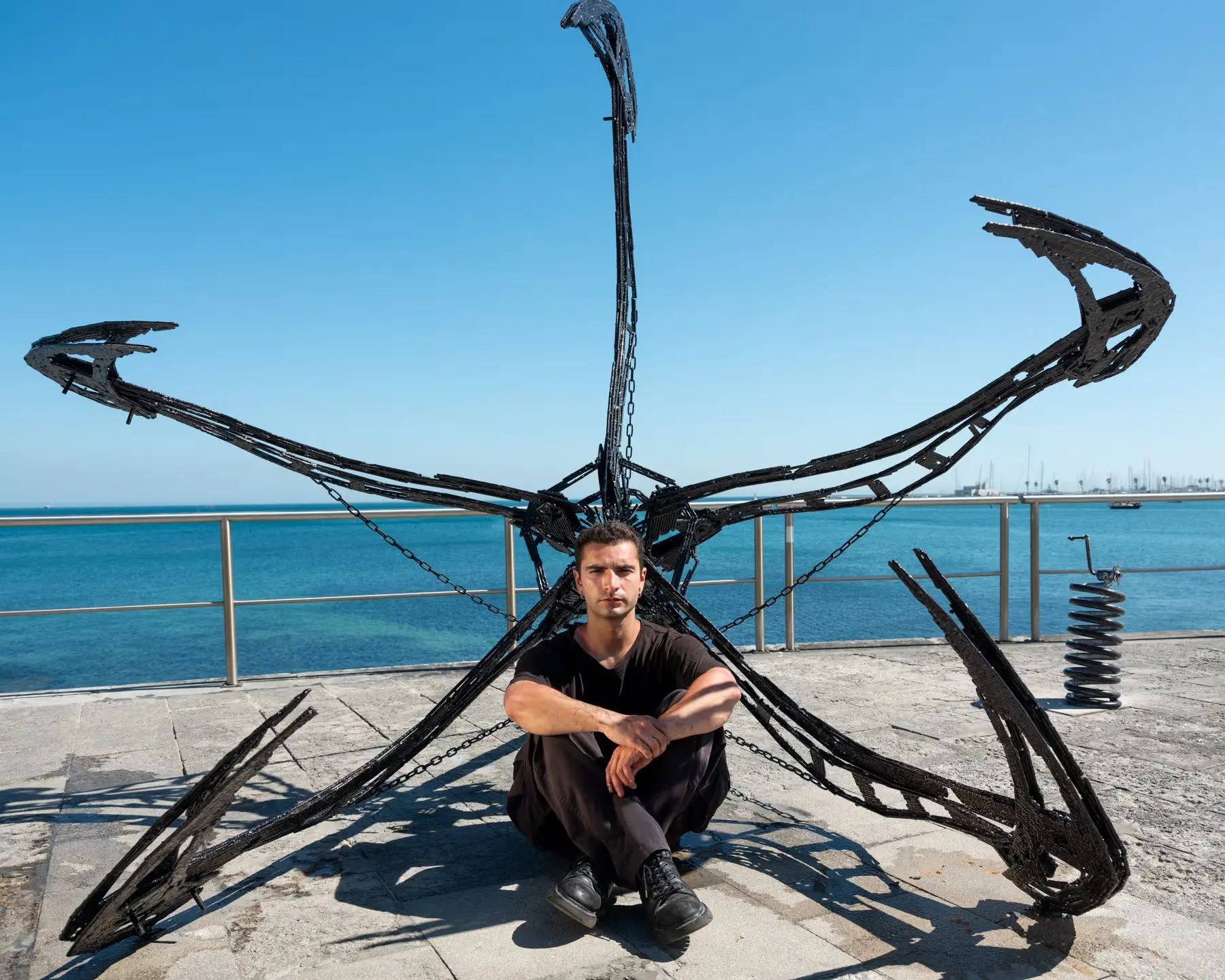
Uma obra em papel pode ser exibida numa moldura, mas a moldura muitas vezes não está incluída no preço. A maioria das galerias trabalha com especialistas em molduras e poderá providenciar a moldura em qualquer estilo que escolha. As esculturas podem ser vendidas com ou sem os seus próprios pedestais.
É uma boa ideia perguntar sobre a instalação. Algumas obras podem requerer fixações especializadas para pendurar. As galerias podem ter serviços de instalação.
O envio está incluído?
Obras que fazem parte de uma exposição geralmente não são libertadas até ao final da exposição. Algumas galerias podem concordar em libertar a obra mais cedo. As obras podem ser recolhidas pessoalmente ou entregues pela galeria. O envio, embalagem e seguro podem ter um custo adicional.
Documentação que acompanha as obras de arte
Pergunte que documentação acompanha a obra. Ao comprar numa galeria, os colecionadores recebem frequentemente documentação relativa à obra de arte, que pode incluir uma fatura, materiais de exposição, declarações do artista e registos de proveniência. Estes documentos tornam-se parte da história da obra de arte e devem ser retidos juntamente com a obra.
A Xochi Art Gallery fornece um Portfólio de Proveniência contendo histórico de exposições, informações do artista e registos de aquisição.
Understanding Contemporary Art Prices
Para muitos colecionadores de primeira viagem, a precificação pode parecer opaca. Na realidade, a maioria das estruturas de preços é determinada por uma combinação de fatores, incluindo o estágio da carreira do artista, histórico de exposições, meio, escala e posicionamento da galeria.
Embora o mercado de arte contemporânea possa atingir valores extraordinários nos seus níveis mais altos, obras de entrada de artistas emergentes e de carreira intermediária permanecem acessíveis a novos colecionadores. As galerias geralmente guiam este processo de forma transparente, especialmente ao construir relacionamentos de longo prazo com colecionadores.
Quanto Custa Começar a Colecionar
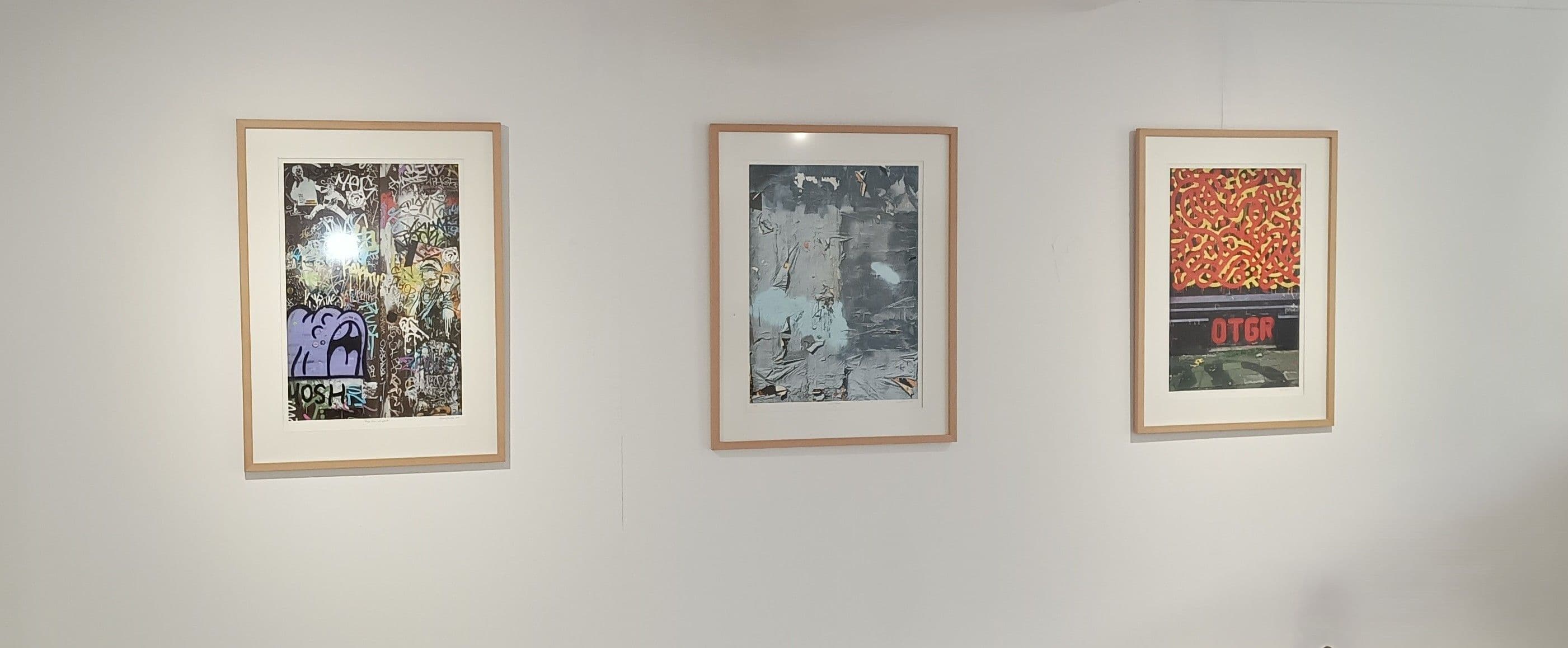
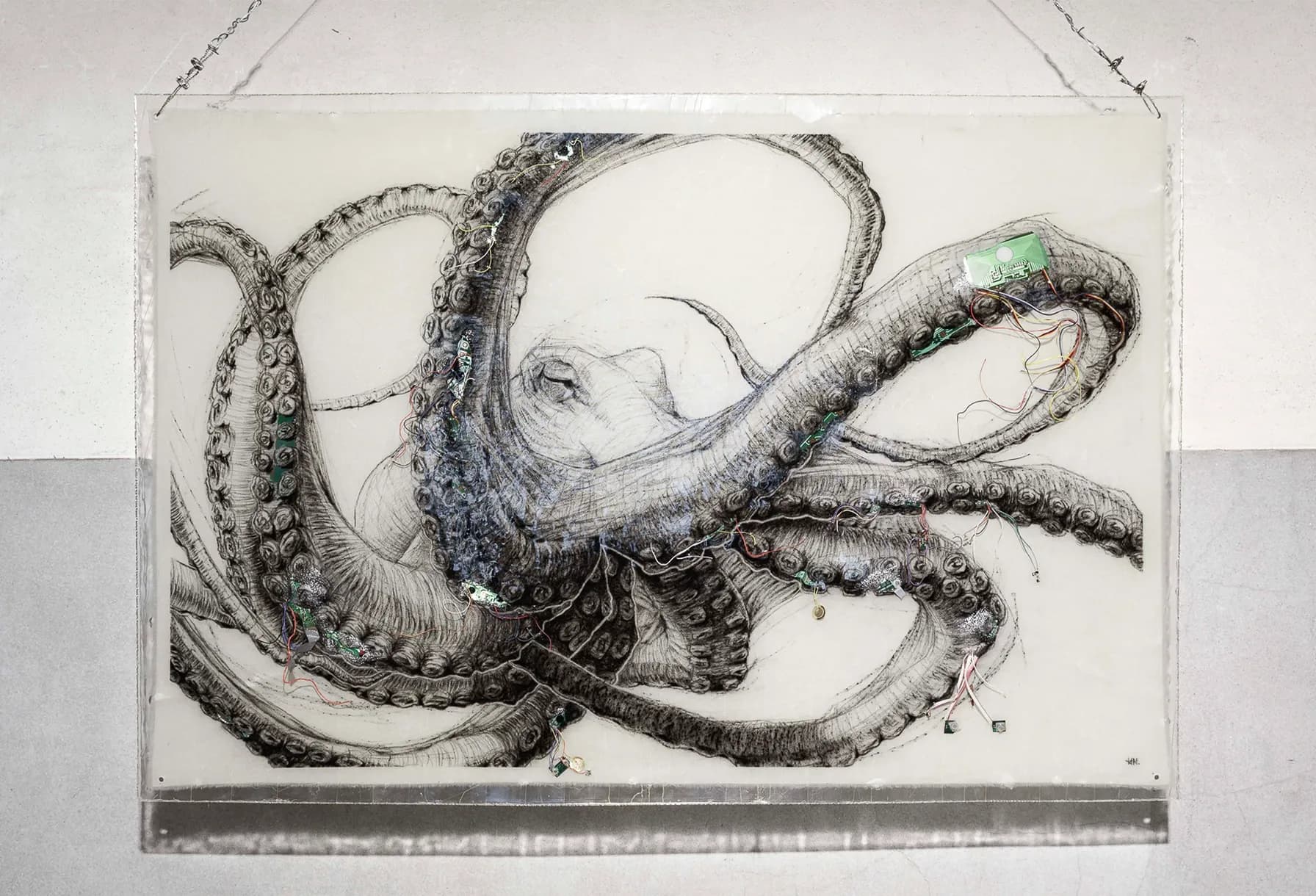
Colecionar arte contemporânea não exige que se seja rico. Para colecionadores com um orçamento, o ponto de entrada são obras em papel de artistas emergentes que podem ser compradas por menos de 200 dólares. As telas são mais caras. Uma pequena tela de um pintor iniciante pode custar menos de 1000 dólares. Pequenas obras em papel de artistas estabelecidos podem custar menos de 1000 dólares. A maioria das galerias que representam artistas emergentes tem obras acessíveis à venda.
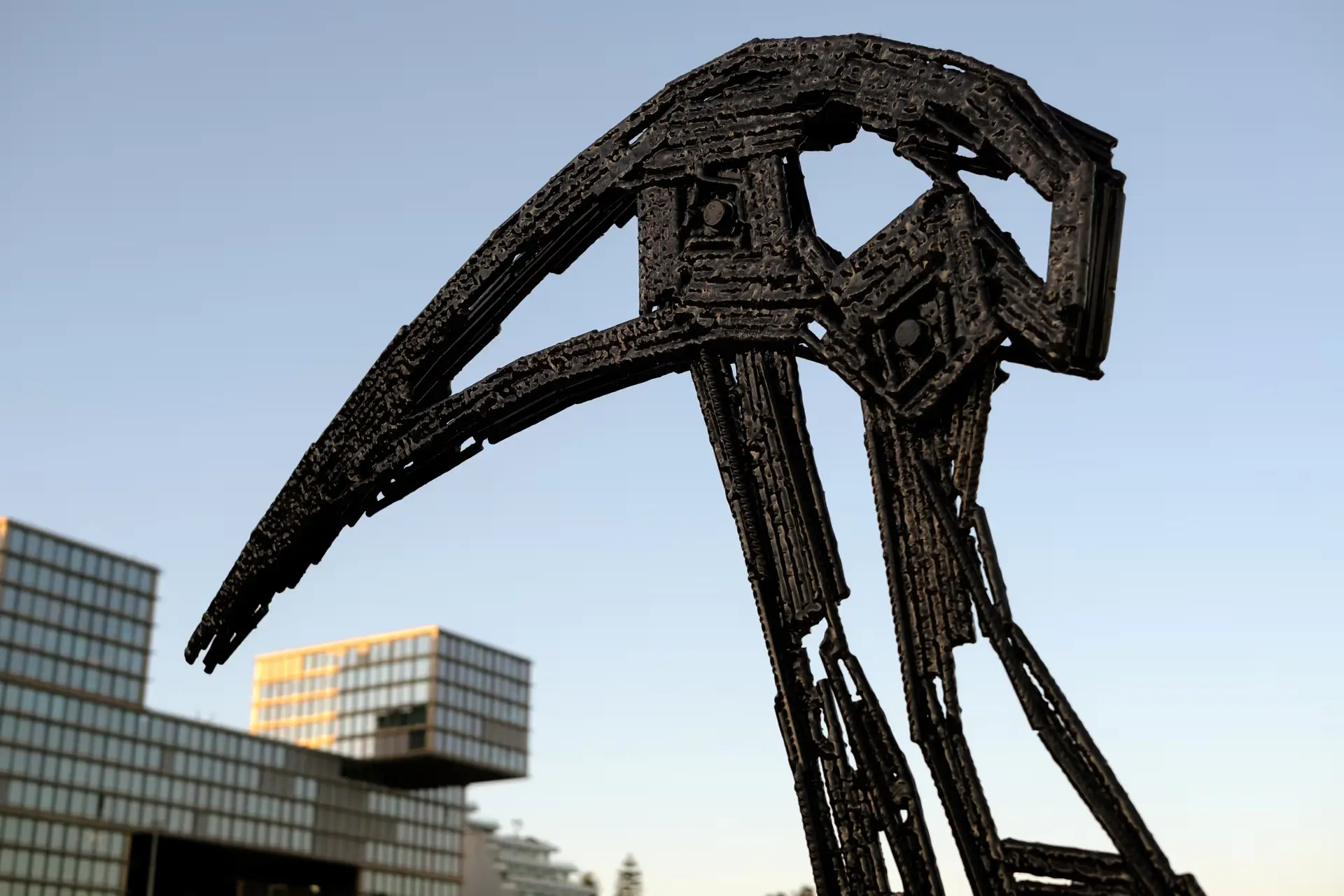
Com escultura o meio determina o preço. Obras de entrada são cerâmica e arte em madeira com preços abaixo de $200 para peças mais pequenas.
Muitas galerias oferecem planos de pagamento que permitem aos colecionadores pagar ao longo de vários meses em vez de adiantado.
Preocupações Comuns de Colecionadores de Arte de Primeira Viagem
Não é incomum que compradores de primeira viagem hesitem, muitas vezes devido a barreiras percebidas como:
- Medo de fazer a escolha errada
- Incerteza sobre o valor ou apreço
- Falta de familiaridade com o mundo da arte
- Preocupação com a legitimidade ou especialização
Na prática, a maioria dos colecionadores experientes começou com incertezas semelhantes. A confiança desenvolve-se com o tempo através da exposição, não do conhecimento prévio.
Como Começar a Colecionar Arte Contemporânea
Colecionar não requer escala, urgência ou especialização no início. Muitas coleções significativas começam com uma única obra adquirida no início do envolvimento de um colecionador com a arte contemporânea.
O que mais importa é a vontade de começar a formar uma relação com a obra e com o contexto em que ela existe.
Começar a colecionar arte contemporânea é entrar num diálogo de longo prazo com artistas, galerias e o panorama em evolução da prática contemporânea. É menos uma decisão financeira do que um processo gradual de envolvimento.
Para muitos, o primeiro passo não é marcado pela certeza, mas pela atenção: um momento em que uma obra de arte não é apenas vista, mas compreendida como algo que vale a pena guardar.
Continuar a ler