Arte vs. Ações: Porquê a Arte Contemporânea Está a Emergira como um Investimento Alternativo Sério
Arte vs. Ações: Porquê a Arte Contemporânea é um Investimento Sério. Uma ação pode gerar retornos, mas não pode transformar o espaço em que vivemos. Explorando a intersecção entre finanças, colecionismo e cultura, este artigo examina porquê a arte contemporânea está a entrar na conversa sobre investimentos e o que os investidores devem compreender antes de tratar a arte como uma classe de ativos.
Belinda Levez · 02/06/2026
Porquê a Arte Contemporânea Está a Entrar na Conversa sobre Investimento
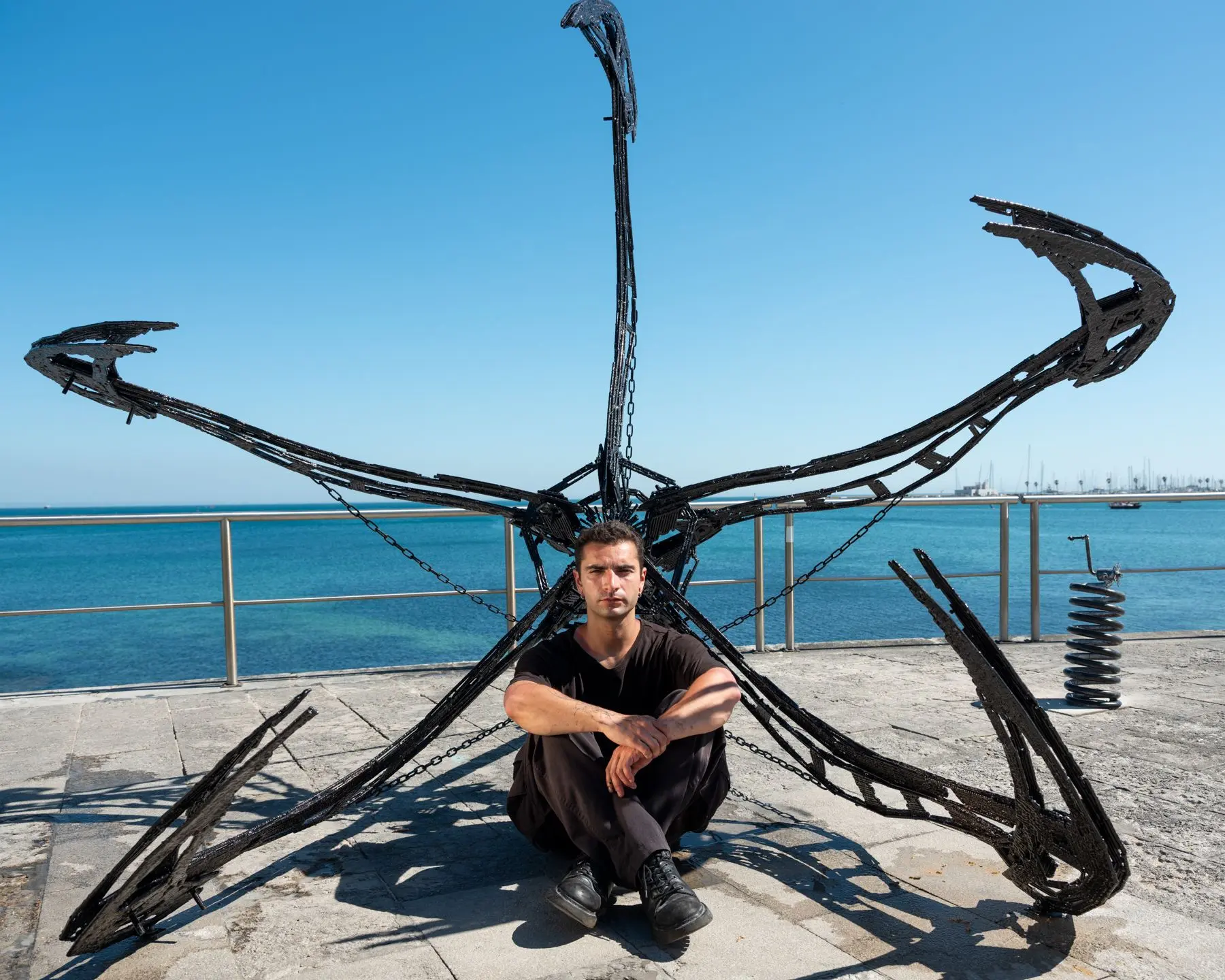
Fazer Queimar Depois Segurar: Arte como um Investimento Vivo
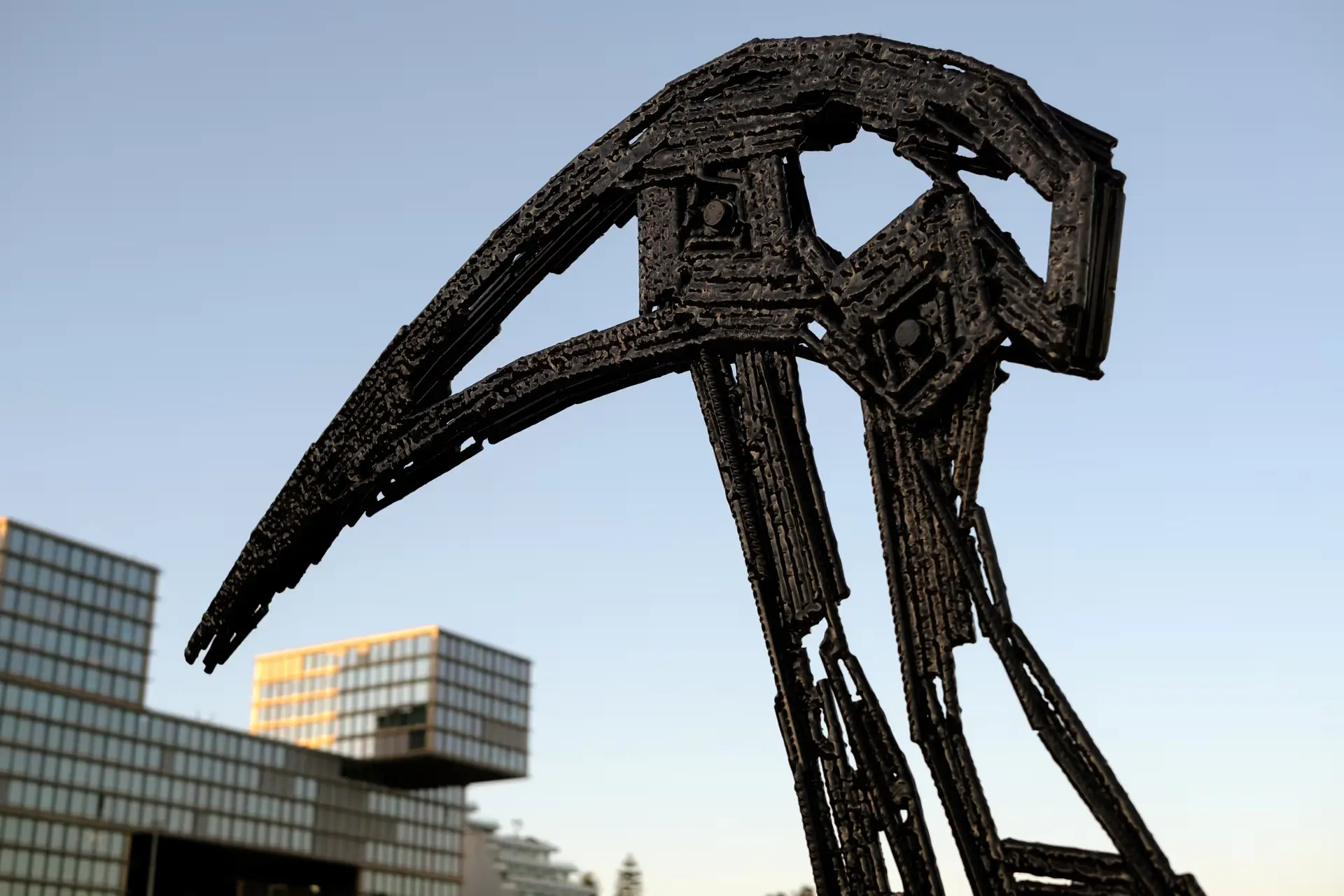
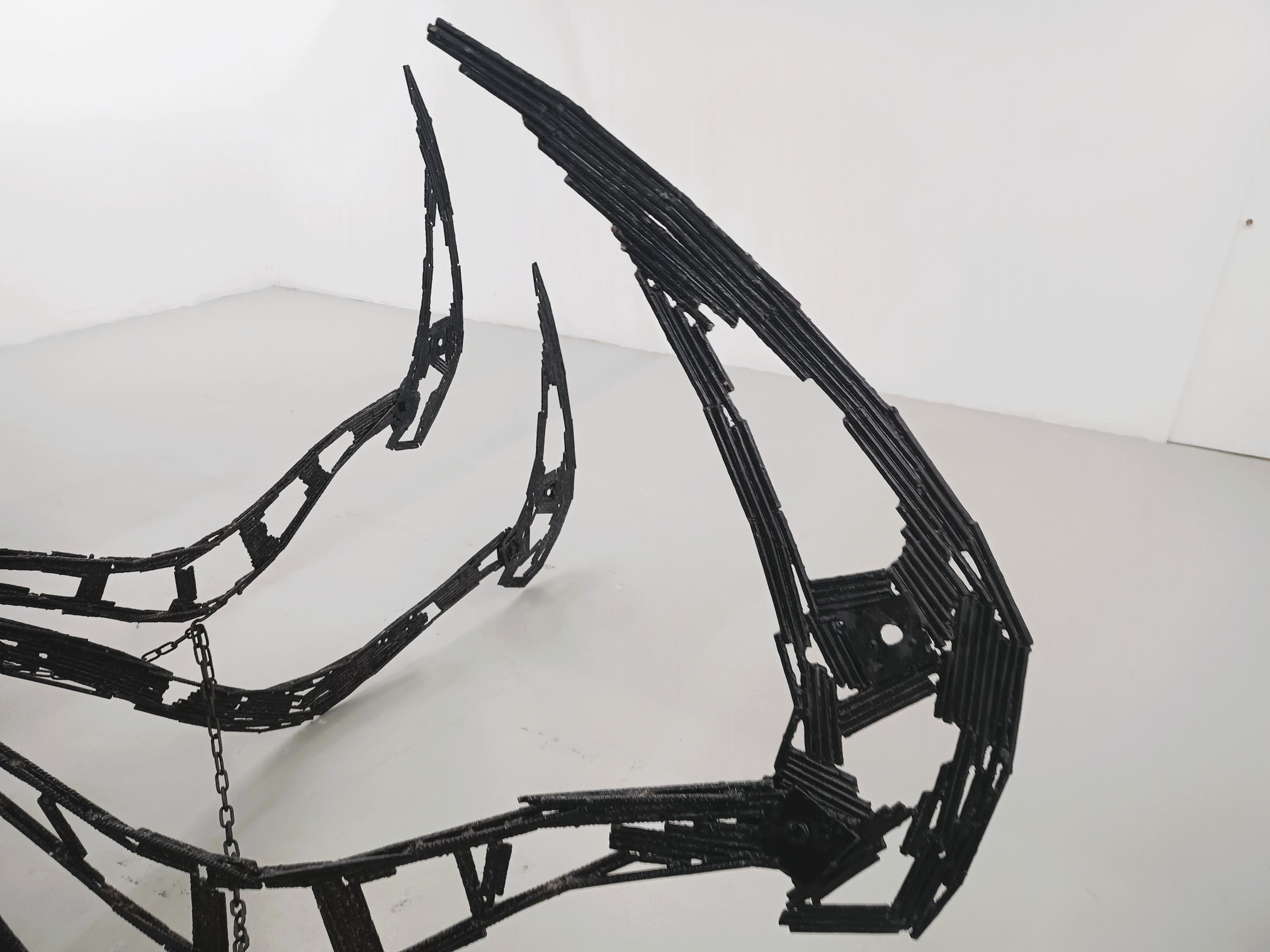
Fique em frente a *Fazer Queimar Depois Segurar* de Francisco Figueiredo Lopes — uma escultura que parece quase viva, a esticar-se, a agarrar, a resistir. Com o pano de fundo dos céus azuis de Lisboa e o brilho distante do Atlântico, o aço torna-se uma linguagem. A tensão torna-se uma narrativa. A peça fala em extremos: criação e destruição, acumulação e exaustão. É uma meditação sobre a própria existência, traduzida em metal que irá durar mais do que todos os relatórios trimestrais que alguma vez lerá.
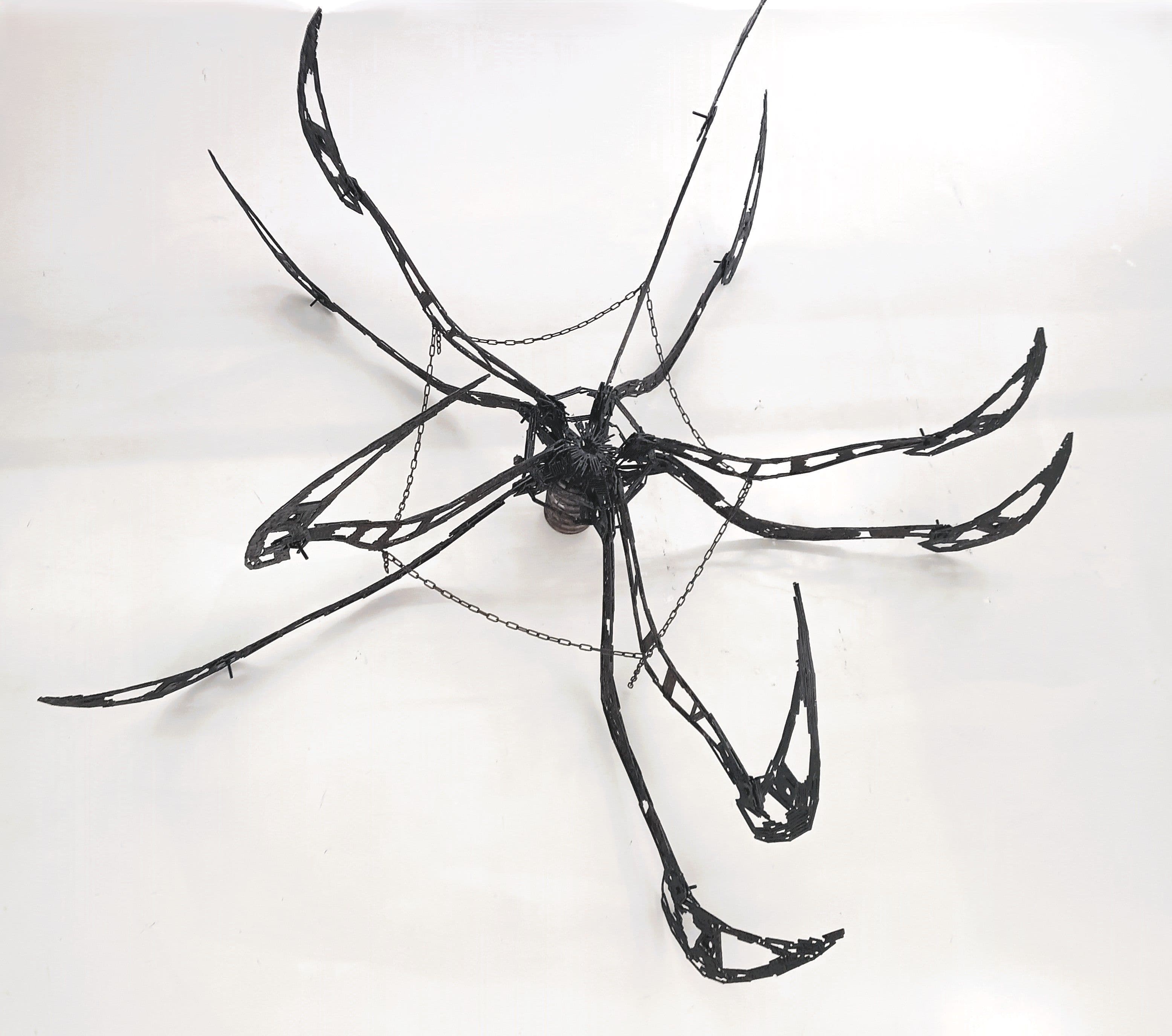
Agora imagine-o no seu jardim. Não numa galeria estéril, e certamente não atrás de uma corda de veludo. Coloque-o entre as hortênsias ou ancorado contra a textura crua de uma parede de pedra, exatamente onde olha enquanto bebe o seu café da manhã.
Ao longo de sete anos, o período médio de posse para um colecionador sério, verá esta obra resistir a todos os ciclos das estações. Notará como o aço capta a luz baixa e pálida de uma manhã de inverno de forma diferente do calor pesado e dourado de uma tarde de agosto. Observará como a chuva escorre pelas soldas e como as sombras das juntas se estendem pela relva à medida que o dia esmorece.
Alterará a gravidade do seu espaço exterior e, por sua vez, a sua própria. Isto não é apenas uma metáfora; é a fenomenologia de viver com um objeto criado por mãos humanas. Uma coisa física que ocupa o seu horizonte diário e, eventualmente, se entrelaça na sua paisagem cognitiva e emocional.
Porque a Arte Carrega Valor Para Além dos Modelos Financeiros
Esta é a dimensão do investimento em arte que nenhum modelo financeiro consegue quantificar. É por isso que qualquer conversa sobre arte como classe de ativos não deve começar com coeficientes de correlação ou volatilidade do mercado. Deve começar com a realidade visceral de possuir algo belo que resiste ao mundo juntamente consigo.
Walter Benjamin chamou-lhe aura – a presença irredutível do original, a autoridade que nenhuma reprodução consegue replicar. Uma posição em ações não tem aura. Uma obrigação não tem aura. Mas uma escultura que se estica e agarra na sua paisagem tem-na em abundância.
O que os Dados Dizem Sobre a Arte como Classe de Ativos
Dito isto, os retornos do investimento em arte valem a pena ser compreendidos. E são melhores do que a maioria dos investidores percebe – desde que se compreendam os seus limites.
O Mei Moses Art Index, agora mantido pela Sotheby's, acompanha as vendas repetidas das mesmas obras ao longo de mais de cinquenta anos. A sua principal conclusão: a arte fina gerou retornos anualizados de cerca de 7,5 por cento a longo prazo, competitivos com as ações.
A correlação da arte com o S&P 500 ronda 0,1 – o que significa que, quando as ações caem, a arte estatisticamente não as acompanha. Em março de 2020, quando o S&P 500 caiu 34 por cento em três semanas, o mercado de arte não vacilou da forma como as ações o fizeram. As obras não foram vendidas a preços de liquidação. As galerias não reduziram os preços pedidos. A iliquidez que os críticos chamam de falha funciona como um amortecedor: não se pode vender em pânico aquilo que não se pode vender instantaneamente.
Porquê a Maioria dos Dados de Investimento em Arte é Enganosa
Mas eis o que o índice não lhe diz, e o que qualquer pessoa que invista em arte precisa de ouvir. A metodologia Mei Moses rastreia apenas obras que vendem duas vezes. Isso introduz um viés de sobrevivência - o índice capta os vencedores, as obras suficientemente desejáveis para aparecer em leilão uma segunda vez. Os milhares de pinturas que vendem uma vez e depois desaparecem em sótãos, ou não conseguem encontrar um segundo comprador a qualquer preço, são invisíveis nos dados. O valor de 7,5 por cento é real, mas é um teto, não um piso. Descreve o desempenho da arte que o mercado quis duas vezes. A sua compra pode não ser essa arte.
Isto não é um argumento contra o investimento em arte. É um argumento para comprar com cuidado, com orientação, de galerias que entendem quais os artistas que têm um impulso genuíno - não apenas apelo estético, mas reconhecimento institucional, atenção crítica e uma base crescente de colecionadores.
Plataformas fracionadas como a Masterworks adicionaram outro ponto de dados. Ao securitizar obras de ponta, geraram retornos anualizados na ordem dos 10 a 14 por cento em ofertas concluídas. Mas estas plataformas lidam com uma fatia restrita do mercado - nomes estabelecidos e de ponta, e a liquidez permanece limitada. Não pode vender as suas ações numa terça-feira à tarde porque o mercado caiu. O que obtém em vez disso é acesso a um nível do mercado que anteriormente estava fechado atrás de mínimos de sete dígitos.
Escassez vs Procura: O Verdadeiro Motor do Valor do Investimento em Arte
O argumento da inflação também merece escrutínio. "Não se podem imprimir mais Picassos" é verdade para todos os artistas falecidos, incluindo os milhares que ninguém quer comprar. A escassez só cria valor quando combinada com a procura. A questão nunca é "isto é escasso?" É "isto é escasso *e* o mundo está a prestar atenção?" Essa é uma questão curatorial, não financeira. E é aí que a relação certa com a galeria importa mais do que qualquer índice.
O Papel da Galeria no Mercado de Arte
As galerias filtram ativamente os artistas, selecionando aqueles que não são apenas talentosos, mas que também têm potencial para carreiras a longo prazo no mundo da arte. A seleção é brutal, com 94 por cento dos artistas a serem rejeitados.
As galerias procuram artistas com um historial comprovado. Exposições anteriores, seleções em concursos com júri, aclamação crítica, validação institucional e procura de colecionadores são todos critérios que melhoram a reputação de um artista. Os artistas em coleções institucionais são ainda mais valorizados, pois apenas um por cento dos artistas consegue entrar em coleções de museus.
Ao contrário da maioria das classes de ativos, o mercado primário de arte não é inteiramente impulsionado pelo preço. As galerias influenciam tanto o preço como a colocação, aumentando gradualmente os valores à medida que a reputação do artista, o historial de exposições e a procura de colecionadores crescem. Muitas galerias também dão prioridade à colocação de obras junto de colecionadores de longo prazo, ajudando a limitar revendas especulativas e a manter a confiança no mercado do artista.
Como o Valor é Realmente Formado na Arte Contemporânea
Muitos fatores influenciam o valor da arte contemporânea.
- validação institucional
- aquisições de museu
- atenção crítica
- histórico de exposições
- procura do colecionador
- apoio da galeria
- escassez
À medida que a carreira de um artista se desenvolve, ele constrói gradualmente estes elementos. Após uma longa carreira, estes fatores conferem ao artista um estatuto canónico.
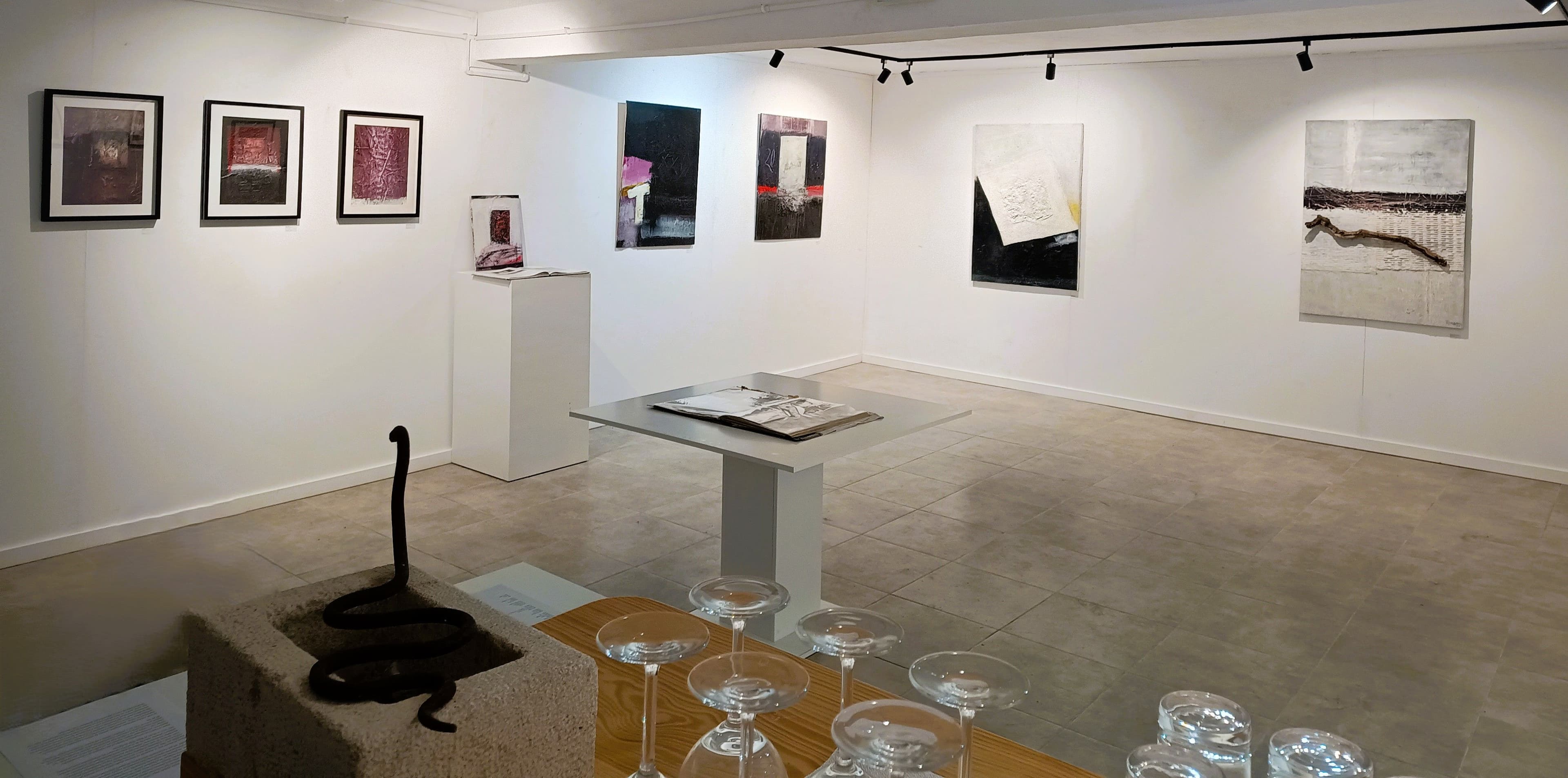
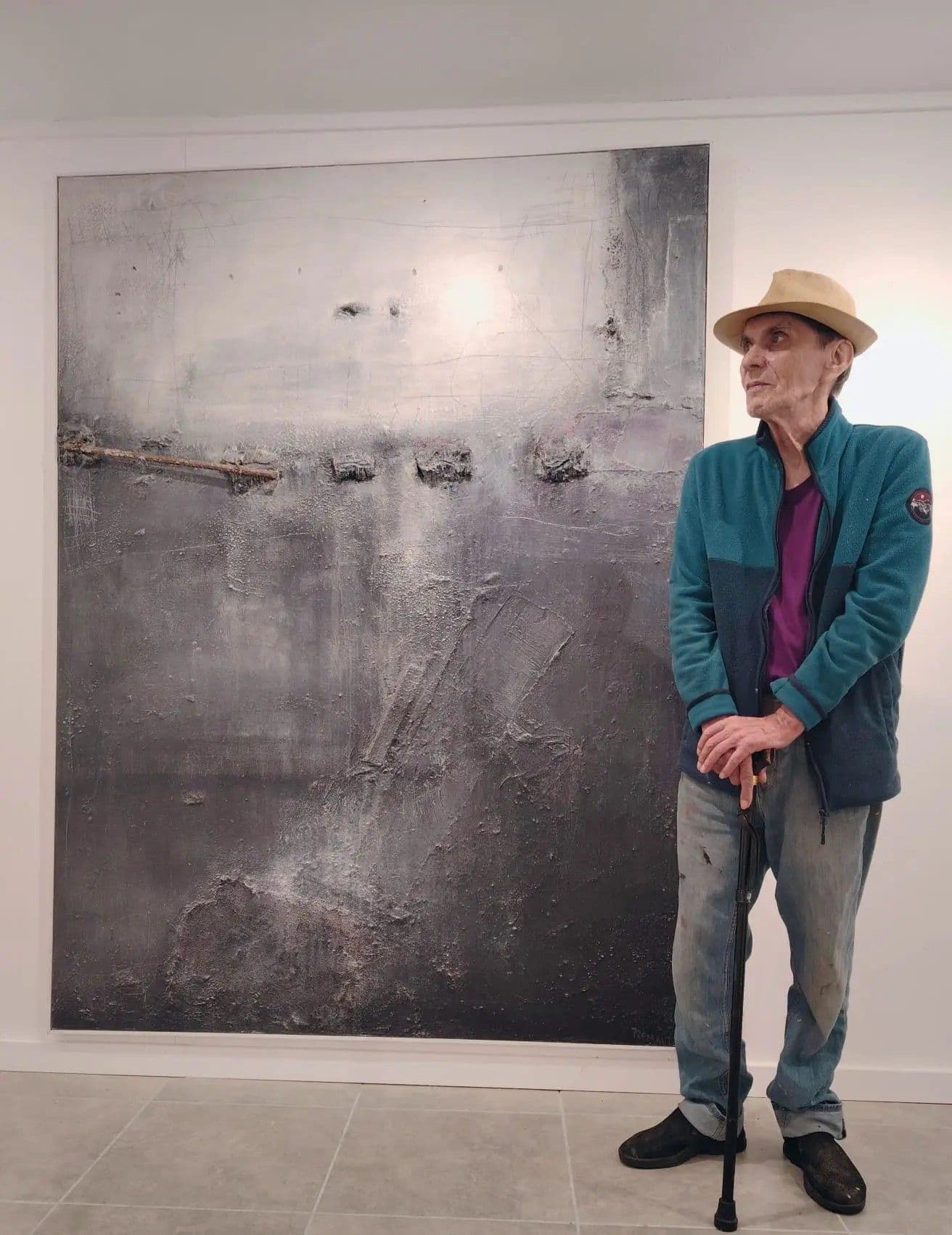
Roger Remaut - Prática Abstrata Baseada em Material
Ao contrário de artistas emergentes cujos mercados ainda estão a ser estabelecidos, o trabalho de Roger Remaut beneficia de décadas de história de exposições, aquisições de museus, colocação em coleções governamentais e documentação crítica. Para os colecionadores, isto proporciona um nível de validação histórica raramente disponível a preços comparáveis.
O seu trabalho é altamente influenciado pela sua infância em Ostend, ocupada pelos nazis. As paredes danificadas da Bélgica do pós-guerra tornaram-se a génese da sua linguagem abstrata – uma poesia visual retirada da destruição concreta.
A prática artística de Remaut está enraizada na fisicalidade e na materialidade. As suas ousadas pinturas abstratas são sobrepostas com objetos encontrados, graffiti, texto rabiscado e texturas espessas – superfícies cruas que parecem desgastadas, emocionais e politicamente carregadas. As telas são construídas como paredes urbanas: rachadas, danificadas e vivas com significado oculto.
O seu processo é instintivo e físico. As obras evoluem lentamente através de camadas de matéria e tinta, respondendo aos impulsos imediatos do artista. Não há narrativas fixas, apenas fragmentos, humores e momentos que pedem ao espectador para olhar novamente. Cada peça carrega as marcas do tempo, da luta e da prática meditativa.
Acrylage Noir é uma obra feita em Ostend, literalmente a partir de Ostend. Apresenta objetos encontrados, corda dos cais, vergalhão recolhido da rua e casca de árvore. Areia da praia adiciona textura. A paleta de cores é uma combinação suave de cinzento, branco e roxo. A obra foi exibida no Museu de Belas Artes de Ostend em 1994.
Artistas emergentes podem ser um bom investimento
Artistas em início de carreira representados por galerias podem apresentar os investimentos mais lucrativos. No início das suas carreiras, a sua arte tende a ser barata em comparação com artistas em fases posteriores.
Henrique Netto e o Futuro Digital da Linguagem Emocional
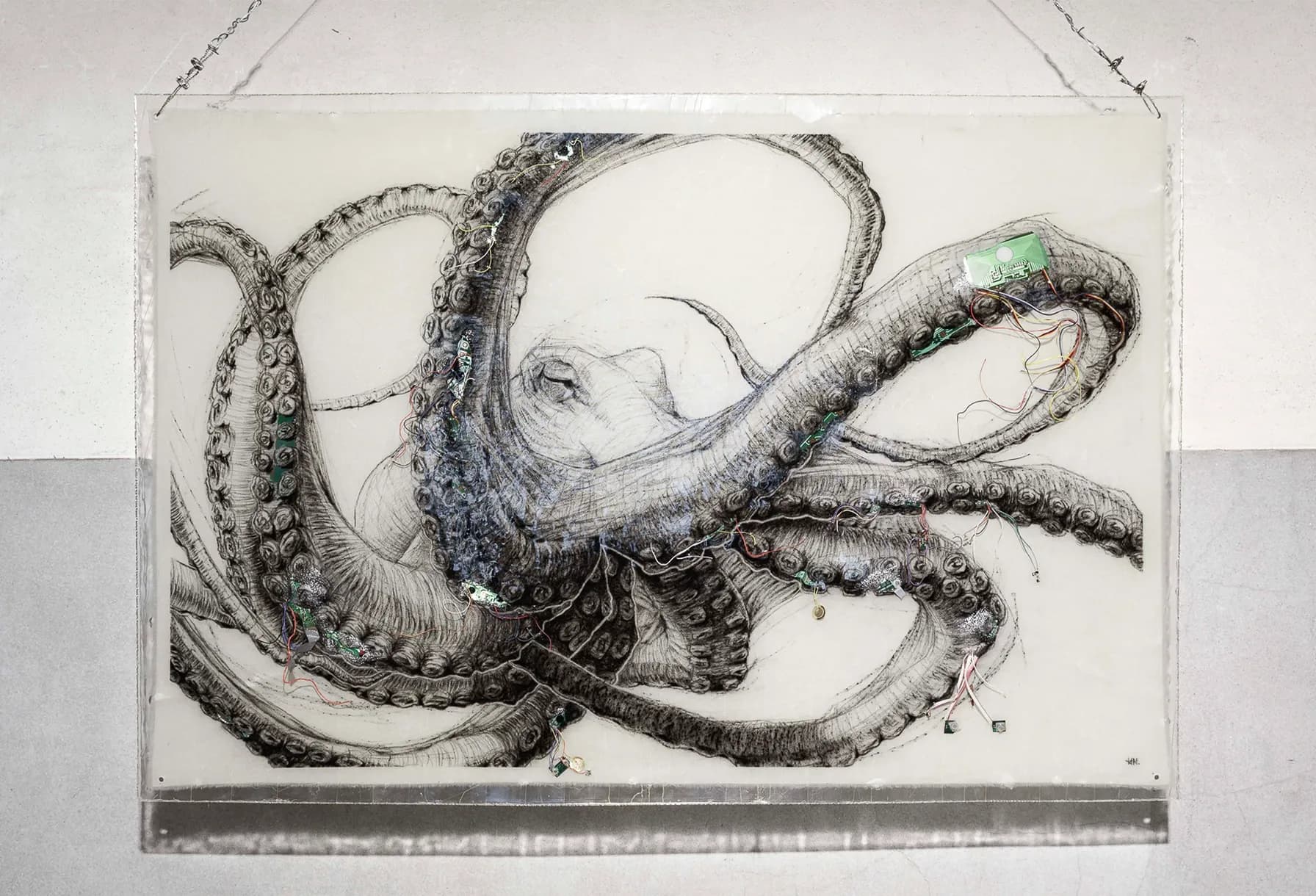
Henrique Netto é um artista emergente galardoado. A sua *Anatomia dos Emojis* realiza uma autópsia digital. Ao expor a musculatura imaginada por trás dos nossos ícones mais familiares — a cara sorridente, o coração, o emoji de choro e riso — Netto vislumbra um futuro onde as linhas entre emoção e máquina, humano e código, começam a esbater-se. É perturbador e sombriamente engraçado, uma obra que só poderia existir agora, num mundo onde aprendemos emoções a partir de ecrãs em vez de rostos.
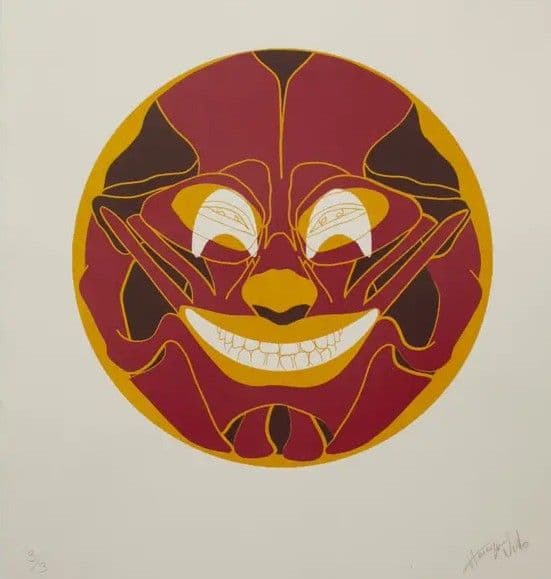
Possuir uma obra como esta não é como possuir uma ação de uma empresa de tecnologia. Quando compra ações numa plataforma de redes sociais, possui um direito sobre os seus futuros lucros. Quando compra *Anatomia* de Netto, possui a própria obra de arte - o objeto original, com a sua presença material específica, a sua proveniência, a sua fisicalidade. Pode emprestá-la a um museu. Pode passá-la aos seus filhos. Pode também pendurá-la no seu escritório e ver os visitantes ficarem surpreendidos quando se aperceberem do que estão a olhar.
É isto que Benjamin quis dizer com a aura do original: não misticismo, mas o simples facto de que um objeto único, feito num tempo específico por uma pessoa específica, carrega uma autoridade que nenhuma quantidade de engenharia financeira pode replicar. Uma ação da Apple é idêntica a todas as outras ações da Apple. *Anatomia* de Netto é a única.
Essa singularidade não é apenas filosoficamente interessante - é a fonte do valor a longo prazo do ativo. À medida que a reputação do artista cresce e o seu corpo de trabalho encontra lugar em museus e coleções permanentes, as peças restantes disponíveis tornam-se mais valiosas por simples matemática. Escassez mais procura iguala valorização. A arte reside em identificar a procura antes que a escassez se torne óbvia.
Há também a questão do que o seu dinheiro faz no mundo da arte. Quando compra uma obra de um artista vivo, a sua compra sustenta diretamente a prática criativa. Não está a extrair valor do conjunto de trabalho de uma corporação. Está a financiar o próximo corpo de trabalho, a próxima exposição, a próxima década de desenvolvimento artístico. Para colecionadores que se preocupam com o que o seu capital faz - não apenas com o que retorna - este não é um argumento fraco. É um argumento estrutural.
Arte como Diversificação de Portfólio em Mercados Instáveis
O caso para investimentos alternativos. A arte não existe num vácuo. Existe num ambiente de mercado onde o portfólio tradicional - 60% ações, 40% obrigações - está a mostrar a sua idade.
O S&P 500 oscilou violentamente ao longo de 2024 e em 2025, com receios de tarifas, ciclos de euforia da IA e expectativas de taxas em mudança a impulsionar movimentos intradiários de dois dígitos. O Nasdaq tem sido ainda mais dramático, disparando com o otimismo da IA generativa e corrigindo acentuadamente quando a realidade temperou a narrativa. As criptomoedas, outrora aclamadas como o futuro das finanças, passaram anos a provar que a volatilidade corta para ambos os lados, com repressões regulatórias nos EUA e na Europa a acrescentar camadas de incerteza. Os rendimentos das obrigações, embora melhorados em relação à era de quase zero, ainda lutam para superar a inflação em muitos mercados desenvolvidos. O imobiliário exige capital enorme, imobiliza liquidez e acarreta um ónus de gestão que a maioria dos investidores preferiria evitar.
Neste contexto, cerca de 30% dos indivíduos de alto património líquido em todo o mundo alocaram investimentos em arte. Não o fazem em vez de ações. Fá-lo-ão juntamente com elas, porque um ativo com uma correlação de 0,1 com o S&P 500 não é um luxo. É infraestrutura de portfólio.
É aqui que a escolha da galeria importa tanto quanto a escolha do artista. O mercado de arte é opaco. A precificação não é padronizada. A proveniência e a autenticação exigem conhecimento especializado. E a lacuna entre a arte que é bela e a arte que tem valor é real, nem toda pintura é um investimento, e nem todo investimento é uma pintura com a qual se quer viver.
Onde a Arte Encontra o Investimento: O Papel das Galerias Curadas
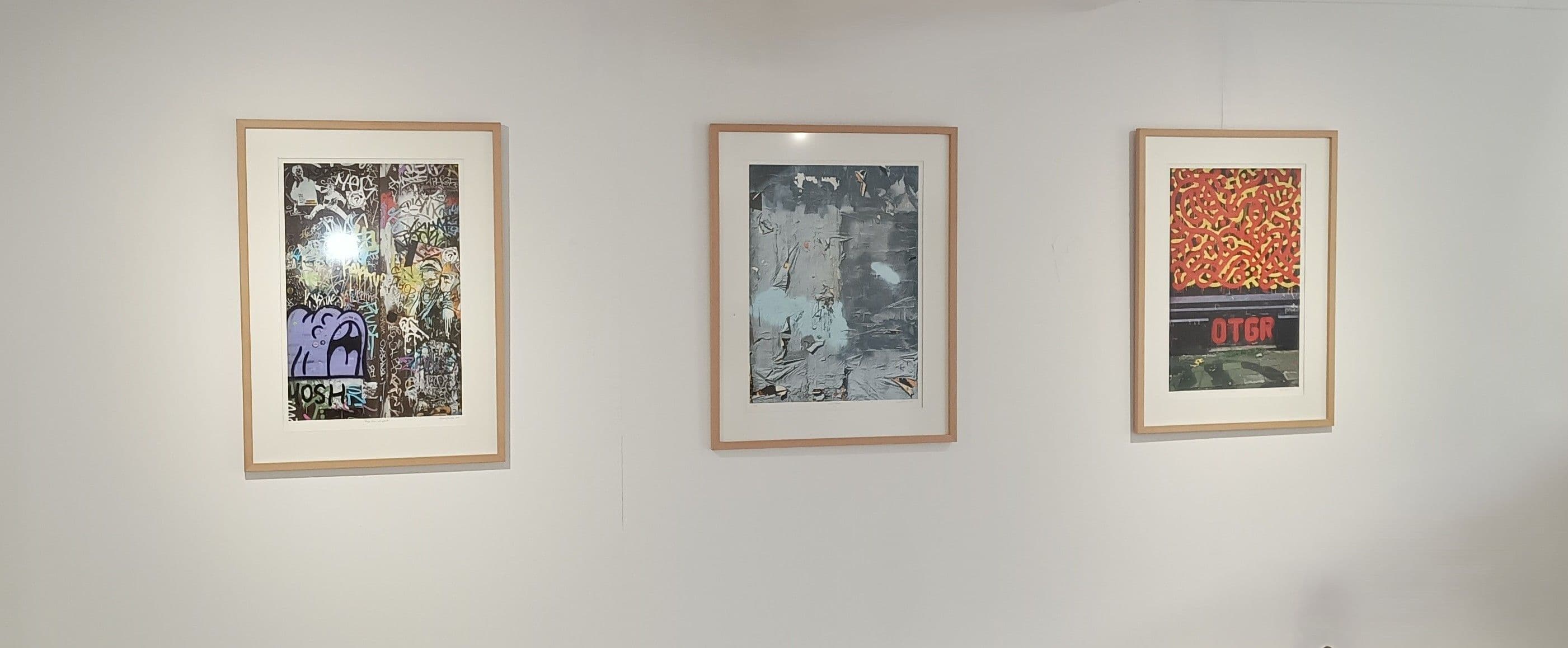
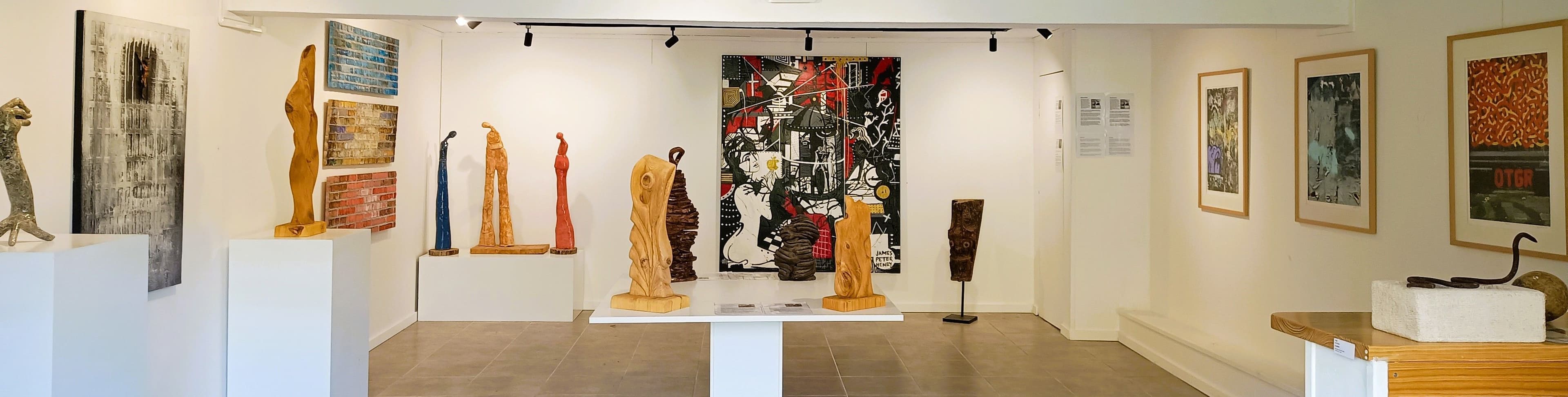
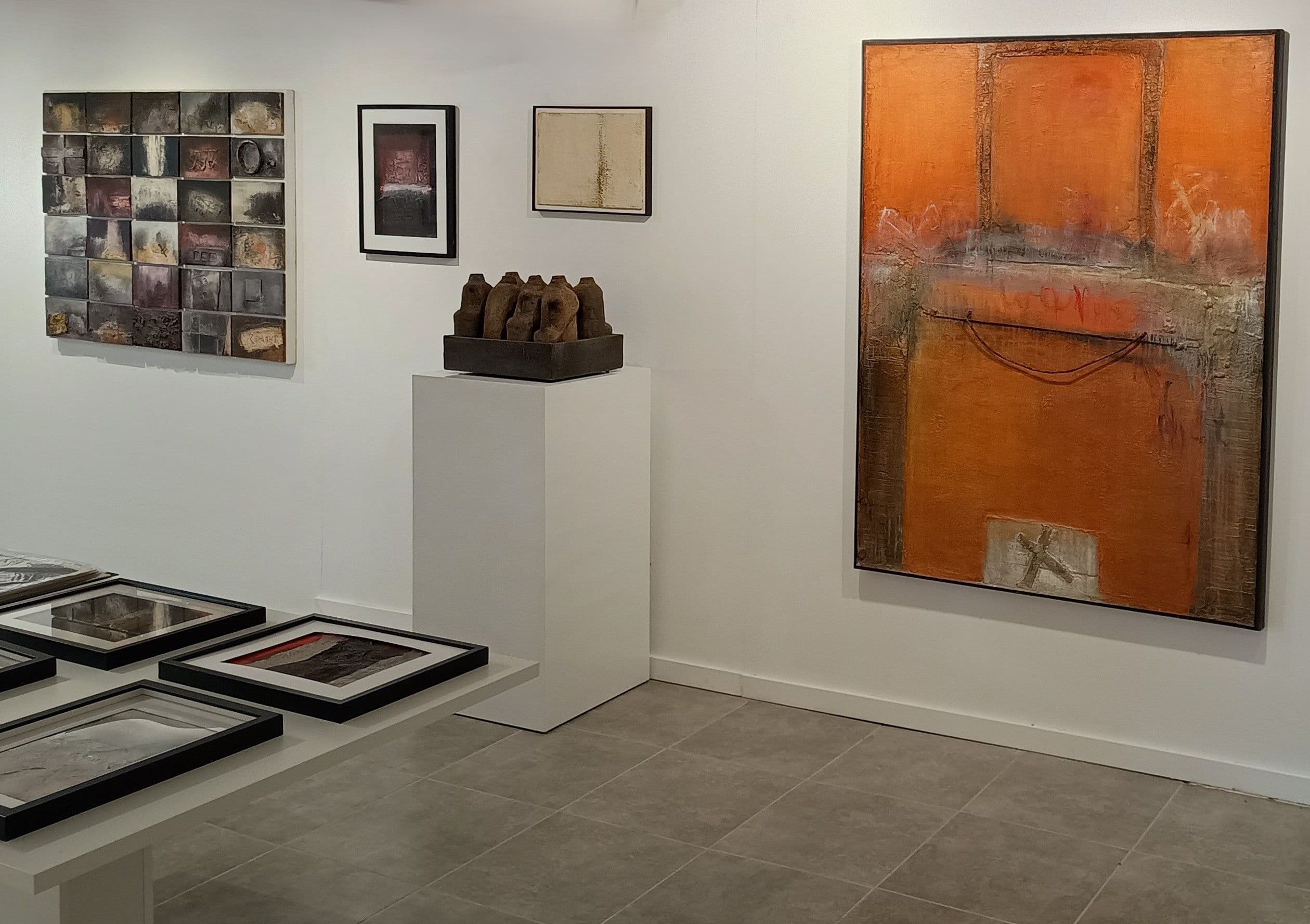
A Xochi Art Gallery, em Vale de Amoreira nas encostas da Serra da Estrela em Portugal, opera nesse nicho. O portfólio da galeria abrange escultura, pintura abstrata, arte digital, fotografia e multimédia — desde as obras monumentais em aço de Figueiredo Lopes às desconstruções digitais de Netto, passando pela arte material abstrata de Roger Remaut, que carrega a franqueza de uma prática enraizada na verdade emocional em vez de cálculo de mercado. A galeria reúne artistas de todo o mundo cujas práticas estão em diferentes fases de reconhecimento — alguns com obras já integradas em coleções de museus e públicas, outros cujas carreiras estão a construir o tipo de ímpeto que, num período de detenção de sete a dez anos, tende a recompensar o colecionador paciente.
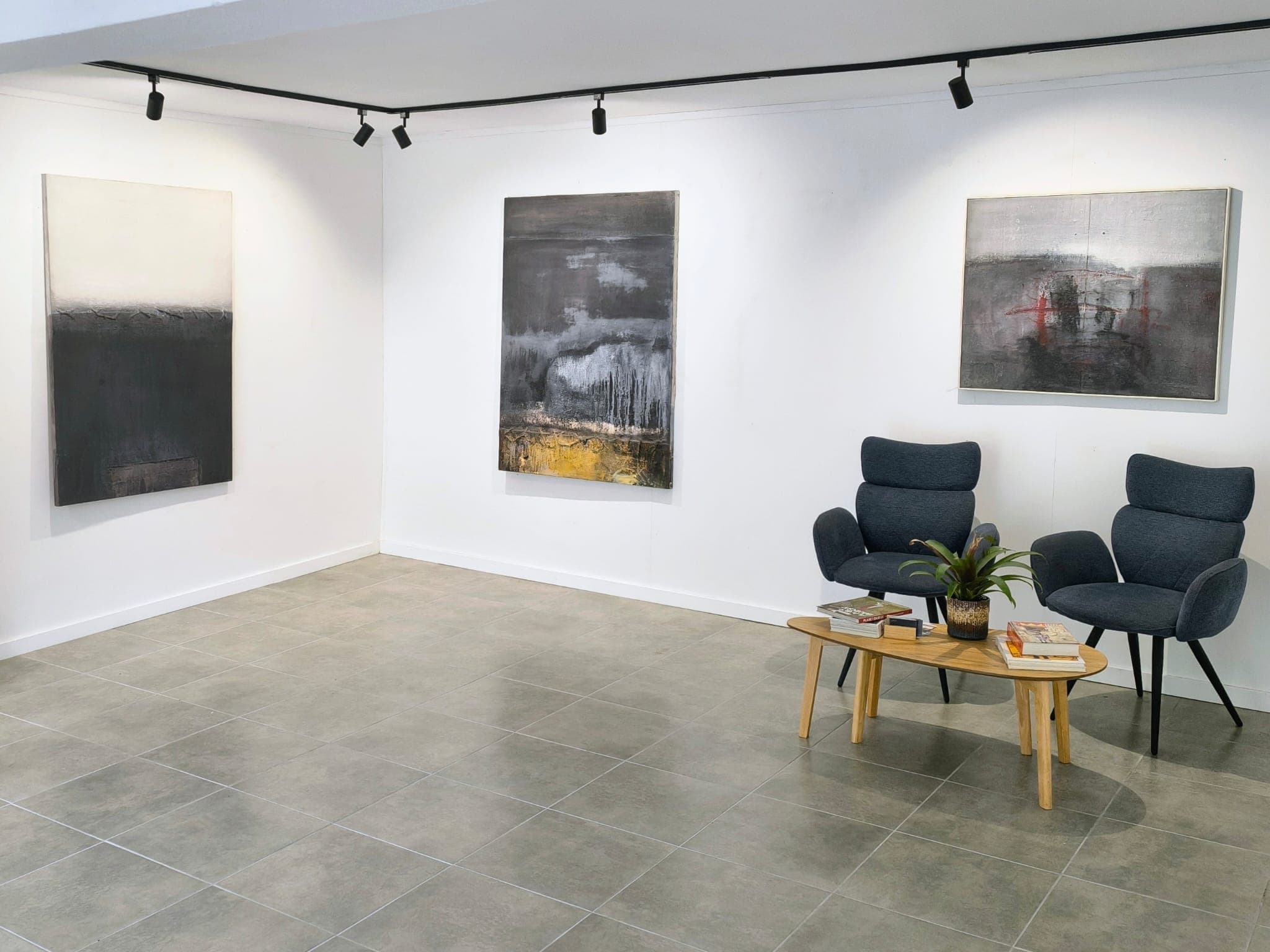
Mas o valor da Xochi não reside apenas no seu elenco; reside na partida. Viajar até à galeria oferece uma pausa necessária do "ruído branco" do investimento moderno – os constantes bipes dos terminais Bloomberg, os gráficos frenéticos intraday e a lógica estéril da cidade. Deixar os centros financeiros de Lisboa ou Londres e subir à montanha é uma desaceleração física. É um limpador de paladar para os olhos e para a mente.
Neste ambiente, não se "vê" apenas uma obra; vê-se realmente. Livre das distrações do ciclo de mercado atual, pode avaliar uma obra com um nível de clareza que uma galeria do centro da cidade simplesmente não consegue proporcionar. Esta jornada não é um detalhe de estilo de vida; é uma posição curatorial. Força uma mudança de ritmo que espelha o horizonte de sete a dez anos de um investimento artístico bem-sucedido.
Para quem investe em arte vs. ações e se recusa a escolher entre inteligência financeira e convicção estética – quem quer entender tanto o coeficiente de correlação quanto a qualidade da luz sobre o aço às 16h em novembro – Xochi vale a pena a jornada. A coleção pode ser vista pessoalmente e está disponível para compra online em [xochi.art](https://xochi.art). Vá devagar. Deixe os números informá-lo. Deixe a obra comovê-lo. O melhor investimento é aquele que faz ambos. Para diversificação de portfólio de arte com a qual pode realmente viver, comece aqui.
Continuar a ler