Buying Limited Edition Art: A Collector's Guide
Learn how to buy limited edition art, understand edition sizes and artist’s proofs, and assess authenticity, provenance, and value. Discover what to look for when collecting fine art editions and how to protect your prints through proper framing, storage, and documentation.
Belinda Levez · 02 Sept 2026
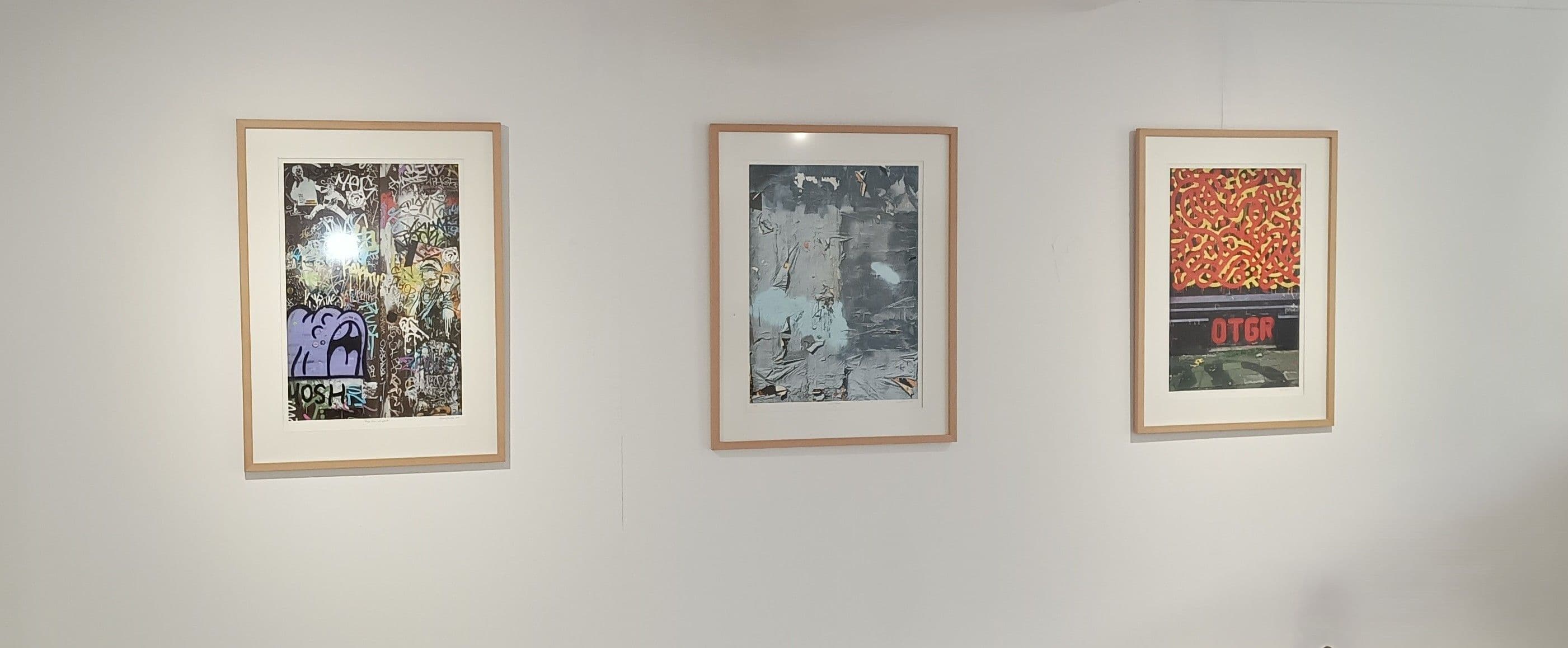
How to buy limited edition art, understand edition sizes and artist's proofs, evaluate authenticity and provenance, and protect the value and condition of your collection.
Original artworks typically command the highest prices within an artist’s practice, which can make them inaccessible to many developing collectors. Limited editions can bridge this gap, offering a more accessible way to acquire work by established and emerging artists while retaining provenance and edition integrity.
An edition is not a substitute for an original. It is a different form of collecting.
For some collectors, the appeal lies in owning an artist's work at a more accessible price. For others, editions offer the opportunity to acquire works that have their own history, technical processes and collecting traditions. The key is understanding exactly what you are buying and how the edition has been created and managed.
Understanding how limited editions are structured, authenticated, priced and preserved helps collectors make informed purchases, identify po
What Is a Limited Edition?
A limited edition is a predetermined, finite number of authorized reproductions or multiples of an artwork. Once the declared edition size is fulfilled, no additional saleable examples should ever be produced in that specific size, medium, or format. Limited editions come in various forms, including archival giclée prints on heavy cotton rag paper, bronze casts, lithographs, etchings, or hand-pulled linocuts.
The same image might legitimately exist as:
- an edition of 25 large prints
- an edition of 50 smaller prints
- a portfolio edition
- a different medium
Limited editions can therefore differ not only in number, but also in size, medium and format. Collectors should establish exactly what constitutes the edition before purchasing.
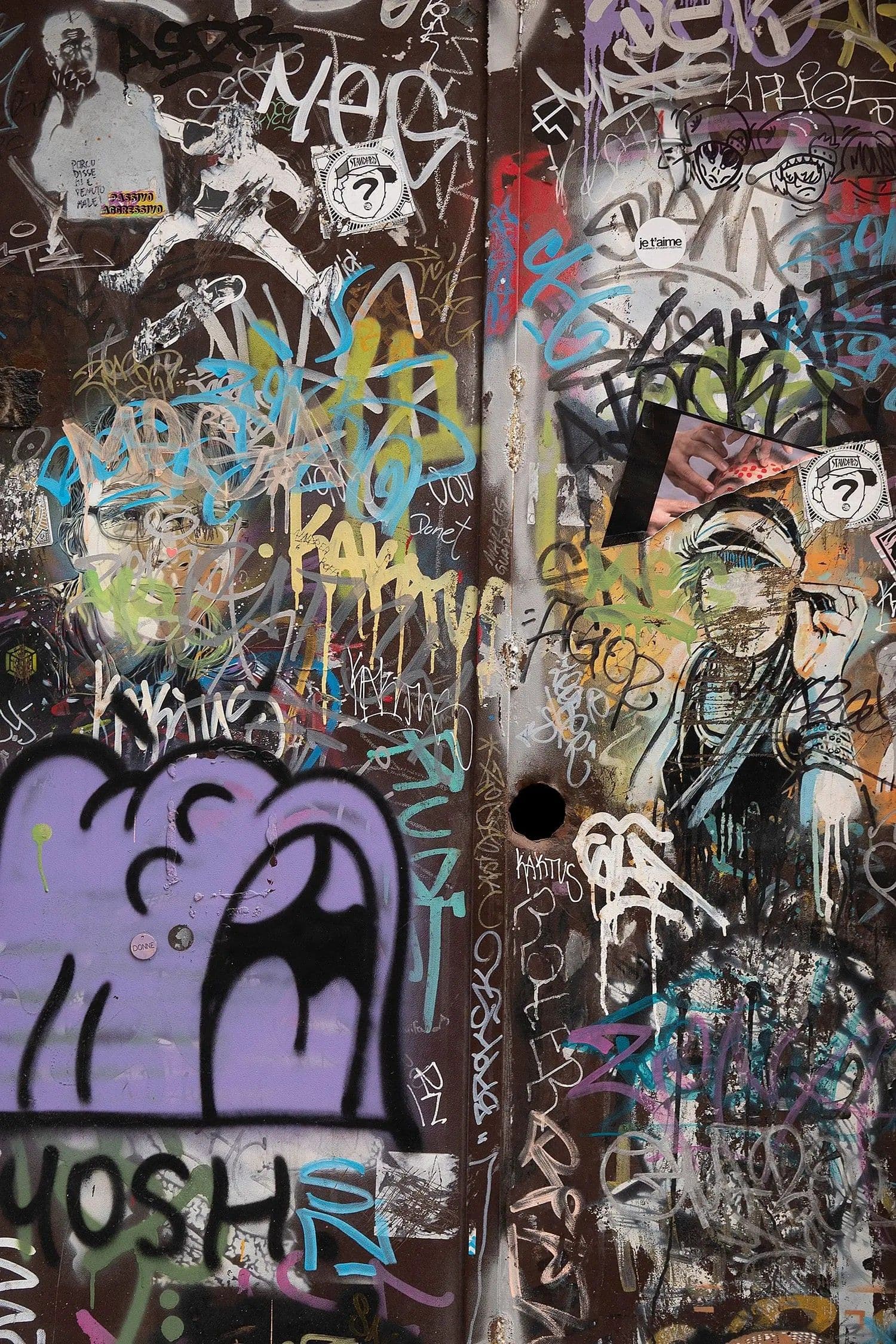
One-Off Prints, Unique Prints and Monoprints
Not every fine-art print is part of a limited edition. Artists may also produce a single, unique print, sometimes described as a one-off print, unique print, or monoprint, depending on the process used.
A unique print may be the result of a technique that cannot be repeated exactly, or an artist may simply choose to produce one impression rather than establish an edition. In such cases, there is no edition number because there is no edition.
Collectors should therefore look beyond the word “print” and ask how the work was produced. The relevant questions are whether the work is unique or editioned, how many impressions exist, whether the artist has produced other versions of the same image, and what documentation accompanies the work.
A unique print can be a significant work in its own right. Its value should not be judged simply by comparing it with editioned prints; the artist's reputation, technique, originality, condition, provenance and place within the artist's wider practice all remain important.
Limited Edition Print Terminology
What is a Giclée Print?
A high-end fine art print made using specialized high-resolution inkjet printers and archival pigment inks on museum-grade paper or canvas. Unlike standard mass-produced posters, giclées are lightfast and built to last generations.
Where Should a Limited Edition Print Be Signed?
Markings are traditionally placed in pencil within the white margin below the image.
- Fractional Placement: The bottom left corner displays the edition fraction (such as 12/100, meaning the 12th print produced in a global run of 100). The bottom center optionally holds the title, and the bottom right features the artist's signature.
- Passe-Partout Signatures: Some artists sign the matting board or passe-partout. Collectors should always check that the print itself is signed underneath. A signature placed exclusively on a removable mat board means the artwork's proof of authenticity can be physically separated from the image. Some artists also sign the back of the print.
What Makes Limited Edition Art Valuable?
A limited edition label does not automatically guarantee value. Scarcity is only one piece of the equation alongside key valuation factors:
- Artist Reputation: The artist's track record of primary gallery representation and secondary market sales.
- Edition Integrity: Strict adherence to declared edition caps across all mediums and sizes.
- Provenance and Documentation: Clear ownership history backed by complete documentation packages and verified sales records.
- Medium and Materials: The physical quality of heavyweight archival cotton rag, pigment-based inks, or high-grade bronze alloys.
- Condition: The complete absence of scuffs, edge yellowing, surface scratches, or environmental degradation.
Does the Number of a Limited Edition Print Matter?
A common myth is that print 1/50 is inherently more valuable than 49/50. In modern printmaking, sequence numbers simply identify the piece within the edition register. Unless an edition involves physical plate wear (such as traditional copper etchings, where earlier impressions are sharper), all numbers in a modern digital edition carry equal baseline value.
What Is an Artist's Proof (AP)?
Artist's proofs were historically reserved for the artist to inspect and archive during the printmaking process. Today, APs may form a separate allocation alongside the numbered edition. There is no universal rule governing the number of artist's proofs an artist may produce, so collectors should look for clear disclosure of the total edition, AP allocation and how both are recorded. A disproportionately large AP allocation can undermine the scarcity implied by a limited edition.
How Edition Sizes and Pricing Affect Value
Galleries format limited edition releases to serve different collection budgets while preserving the value of original works.
Multi-Size Editions
An artist may issue the same image across different size tiers, such as an edition of 10 large prints and an edition of 50 small prints. These constitute separate, distinct editions. However, reputable artists establish all size tiers before sales begin to avoid flooding the market over time.
Tiered Escalation Pricing
Galleries frequently raise prices as an edition sells out. Early prints are released at base retail price to reward early buyers, standard prints sell at regular market valuation, and the final prints command substantial premiums due to diminishing availability.
Hand-Embellished Editions
Prints featuring direct additions by the artist—such as acrylic highlights, oil strokes, or gold leafing—bridge the gap between reproductions and originals. Embellished prints carry higher secondary-market interest due to their hybrid, semi-unique nature.
Understanding the Secondary Market for Limited Edition Art
Buying on the primary market requires an understanding of how value behaves when you eventually decide to trade, sell, or consign a work.
Primary Market vs Secondary Market
Primary market pricing is set by the gallery or artist; secondary market value is determined strictly by collector demand at auction or through resale consignment.
Buying at the End of an Edition
Buying the final print in a tiered pricing structure (for example, paying a 30% scarcity mark-up on print 50/50) means you are buying at the absolute top of the gallery's retail scale. Secondary market valuations may take time to match that peak primary price, so final-edition purchases should be viewed as long-term holdings.
How to Care for and Preserve Limited Edition Prints
Improper framing and storage can completely destroy the secondary-market value of a limited edition fine art print.
UV-Protective Framing
Standard glass allows ultraviolet light to fade archival pigment inks and yellow fine art paper over time. Collectors should use UV-protective museum glass or archival acrylic to protect the prints.
Archival Mounting
Prints must never be dry-mounted, glued, or taped with standard commercial adhesive. A professional framer should use acid-free materials to keep the prints in optimal condition.
Why You Shouldn't Crop the Margins
Trimming the margins can materially affect the work's condition, presentation, documentation and resale appeal, particularly where the signature and edition number are located in the margin.
Collector Checklist: Red Flags & Documentation
Protecting your investment requires evaluating how strictly an artist or gallery manages their archives.
Red Flags to Avoid
Edition Expansion
If an artist sells out an edition of 25 and later releases another 25 of the exact same format, edition integrity is compromised and secondary market value drops.
Open Editions and Limited Editions
Be cautious if an image sold as a limited edition is simultaneously available as an unnumbered, open-edition print on third-party sites.
Edition Records
Reputable sellers maintain a permanent edition register tracking print numbers, sales dates, damaged or destroyed numbers, and AP allocations.
Damaged or Destroyed Prints
If a print is damaged during production, it should be recorded as destroyed, not reissued by renumbering subsequent prints.
What Documentation Should You Receive When Buying Limited Edition Art?
The documentation accompanying a limited edition can vary according to the artist, gallery, publisher, medium and market. A Certificate of Authenticity (COA) may be provided, but it is not the only form of evidence establishing authenticity. In many cases, the invoice, provenance records, edition details and the reputation of the artist, gallery or publisher are equally important.
Collectors should look for documentation that clearly identifies the work and establishes its history. Depending on the circumstances, this may include:
- Purchase Documentation: An invoice or receipt recording the seller, artist, title, edition number, date of purchase and purchase price.
- Certificate of Authenticity: Where provided, this should identify the artist and work and, where relevant, state the edition size, edition number, medium and dimensions.
- Certificate or Statement of Provenance: Where available, documentation recording the ownership history of the work can provide important evidence of its provenance, particularly when acquiring a work on the secondary market.
- Edition Records: Information confirming the total edition size, artist's proofs and any other editions of the same work or image can help establish edition integrity.
- Artist and Exhibition Documentation: An artist's CV, exhibition history, catalogue references or other published material can provide useful context and help establish the work's place within the artist's practice.
Certificates of Authenticity, Provenance and Digital Authentication
Digital Certificates and Authentication
Some galleries and publishers now supplement traditional certificates of authenticity with digital records, NFC tags or other authentication technologies. These can provide an additional layer of provenance, but technology alone does not establish the artistic or commercial value of an edition. The underlying documentation, edition records and credibility of the issuing artist or gallery remain fundamental.
Encrypted NFC Tags & Holographic Seals: Modern printmakers may embed micro NFC chips into paper borders or apply tamper-evident holographic seals linked directly to digital registries.
Digital Certificates of Authenticity: Paper certificates may be supplemented or replaced with encrypted digital records or blockchain-backed ledgers. When an edition changes hands on the secondary market, its provenance record updates seamlessly, making stolen, unauthorized, or duplicated editions far easier to catch.
The Informed Collector
Buying a limited edition is about more than acquiring an artwork at a lower price point. It is about understanding the artist, the work, the edition in which it exists, and the documentation that supports its authenticity and provenance. A well-managed edition offers collectors an accessible way to engage with significant artistic practices while providing the clarity and integrity that underpin serious collecting. As with any art purchase, the strongest decisions come from looking beyond the label and price to understand exactly what you are acquiring, why it matters, and where it sits within the artist’s wider practice.

Belinda Levez is Co-Founder and Owner of Xochi Art Gallery in Portugal, where she specialises in museum-quality art leasing and full-service corporate art management. With more than 30 years' experience as an author and art-industry professional, she manages corporate collections, artist development and contemporary art collecting.
Continue reading
Collecting
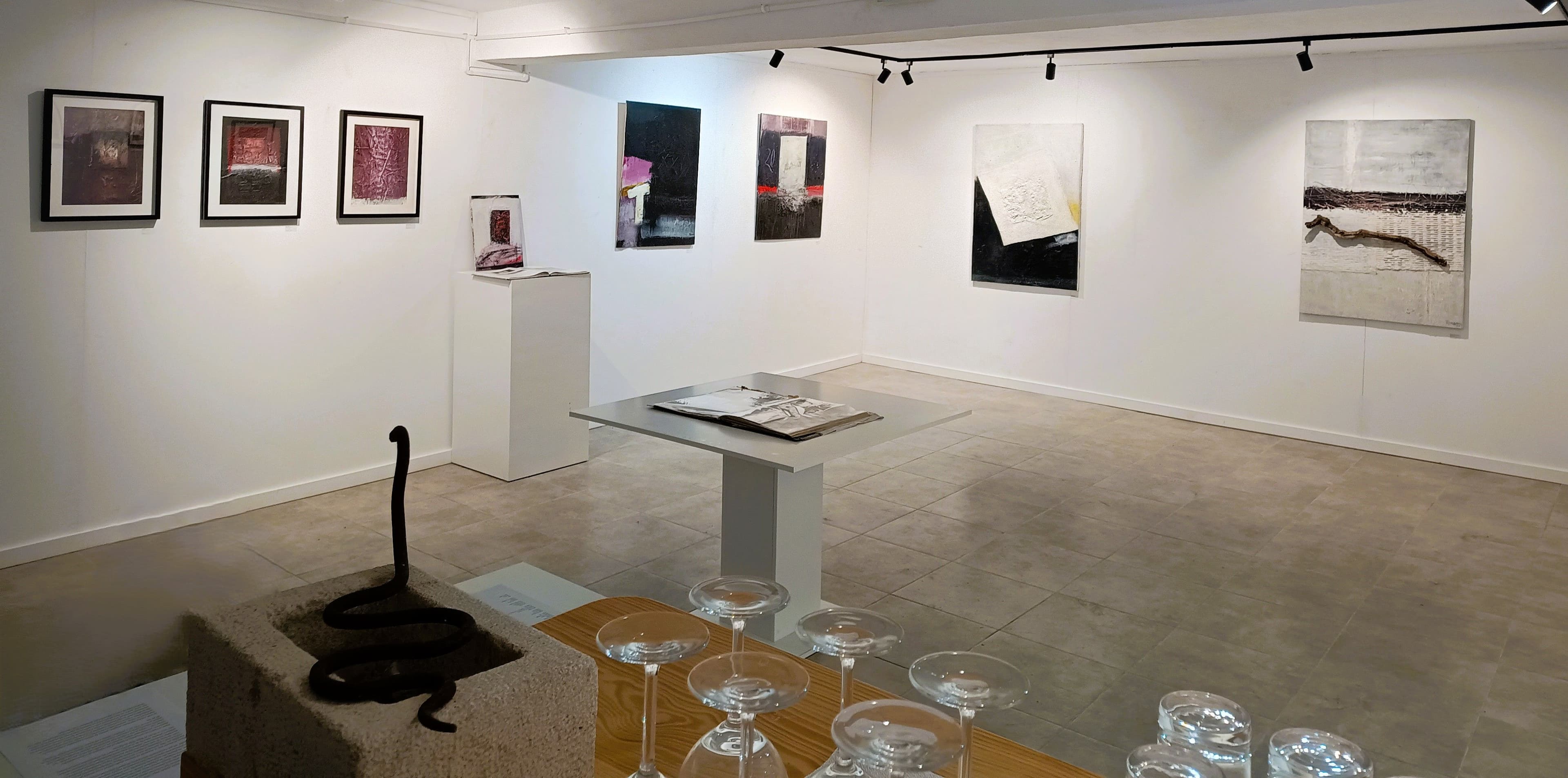
Material Abstract Art: A First-Time Collector’s Guide to Texture, Meaning and Value
05 Oct 2026
Collecting
Art vs Equities: Why Contemporary Art Is Emerging as a Serious Alternative Investment
02 Jun 2026
Collecting
How to Start Collecting Contemporary Art: A Guide for First-Time Collectors
01 Jun 2026