Xochi Magazine.
By Gallery Founder Belinda Levez
Artist Book Scams: Don’t Buy Into Fake Prestige
Author
Belinda Levez
Published
Feb 2026
Share
Artist Book Scams: Don’t Buy Into Fake Prestige
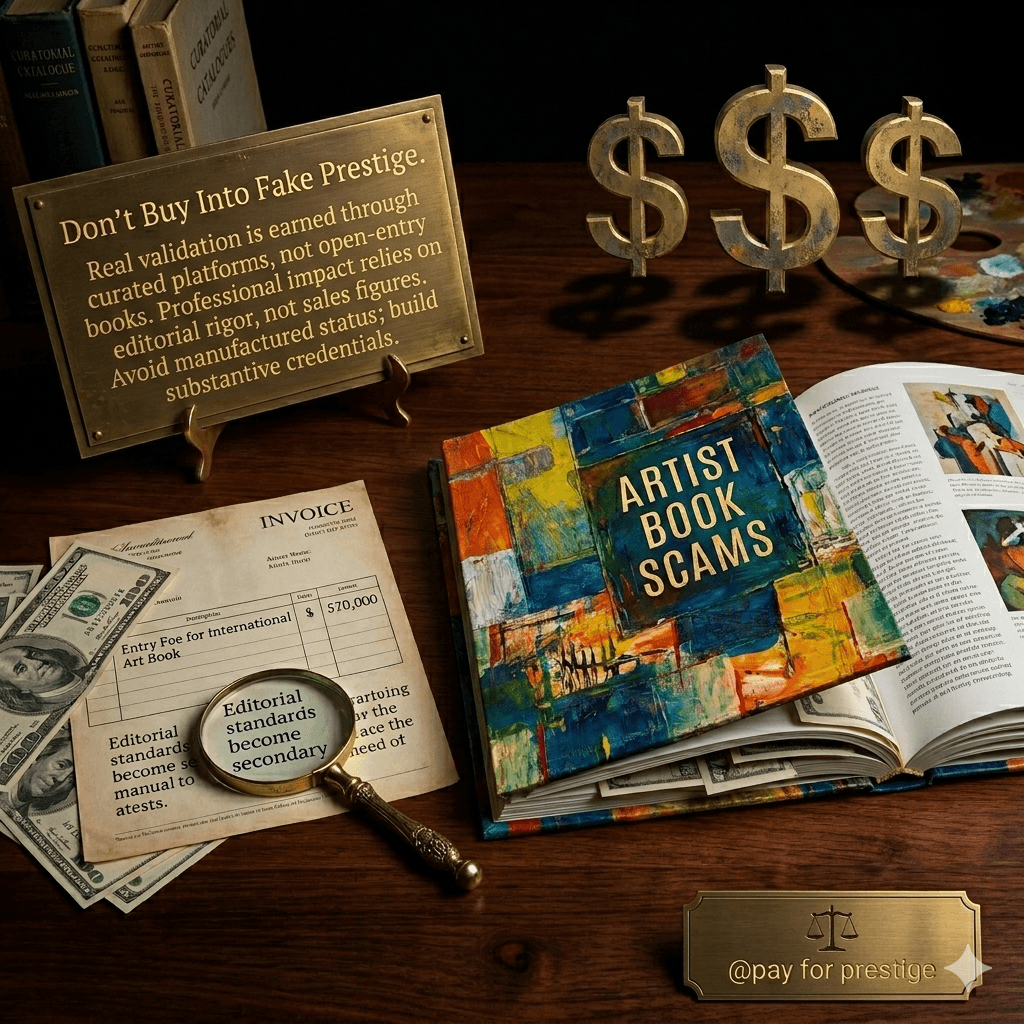
Artists are being sold a narrative: that inclusion in an “international art book” will elevate their careers, strengthen their CVs, and impress galleries. The reality is far less flattering. In many cases, these publications are not curated platforms of recognition — they are revenue models disguised as prestige.
Let’s be clear: paying to be published does not create validation. It purchases space.
And paid space in a book does not equal status in the art world.
Paying for Inclusion Is Not Selection
In legitimate art publishing, inclusion is selective. Editors, curators, or institutions evaluate work based on conceptual rigor, artistic merit, and alignment with a defined curatorial framework. The publisher assumes financial risk because the publication has editorial value.
In pay-to-publish models, the financial structure is inverted. The artist pays for inclusion. Editorial standards become secondary to sales targets. The primary objective is not curation — it is recruitment.
When participation depends on payment, the book ceases to function as an evaluative platform. It becomes a commercial product assembled from contributors who funded their own placement.
That distinction matters.
Galleries Do Not Confuse Payment with Credibility
Gallery directors, curators, and serious collectors understand the difference between curated publications and fee-based compilations. A book carries weight when it demonstrates independent selection. It signals that someone with authority has assessed the work and deemed it significant within a defined context.
A pay-to-enter volume does not signal selection. It signals participation.
Galleries are not impressed by participation.
They are interested in:
- Exhibition history
- Institutional context
- Critical writing
- Curatorial endorsement
- Consistent artistic development
A purchased page in a commercially assembled book does not substitute for any of these.
If the goal is gallery representation, investment should be directed toward exhibitions, studio development, high-quality photography and professional relationships — not toward buying placement in a marketing catalogue.
The Manufacturing of Prestige
Many of these publications rely on carefully constructed language: “international,” “exclusive,” “curated,” “limited edition,” “collectible.” These terms are designed to evoke authority without providing evidence of editorial rigor.
Often:
- The selection criteria are vague or non-existent.
- The contributor pool expands according to sales.
- The publication exists primarily as a print-on-demand or online product.
- Distribution is limited to participants and their networks.
- The ISBN exists, but trade presence does not.
The appearance of legitimacy is not the same as professional impact.
An ISBN does not guarantee distribution. A book format does not guarantee credibility. And a promotional campaign does not replace curatorial validation.
Exposure Without Context Is Weak Currency
Artists are frequently told that “visibility” is valuable. Visibility can be valuable — but only when it occurs within meaningful contexts.
Exposure without curation is noise.
When every contributor is included because they paid, the work loses comparative framework. There is no selection hierarchy, no editorial argument, no critical positioning. The publication becomes a gallery of equal placements — not a curated statement.
In the art world, context is everything.
Without context, inclusion is merely decorative.
The Sales Funnel Problem
A troubling pattern often follows initial contact with these publishers: persistent follow-ups, upselling opportunities, premium placement tiers, requests to purchase additional copies, and repeated payment prompts.
The model is structured as a funnel:Interest → Commitment → Payment → Upsell → Additional Purchase
This is a commercial marketing structure, not an editorial collaboration.
While there is nothing inherently wrong with commercial enterprise, artists should recognize when they are engaging with a sales system rather than a curatorial one.
The language may suggest prestige. The structure reveals revenue optimization.
Long-Term Professional Impact
Career-building in the art world is cumulative. It is built through:
- Exhibitions in credible venues
- Relationships with curators
- Critical writing and reviews
- Consistent body-of-work development
- Institutional engagement
A pay-to-publish volume rarely contributes meaningfully to this trajectory.
In some cases, experienced professionals may even view excessive reliance on vanity publications as a signal that an artist is seeking shortcuts rather than building substantive credentials.
Reputation is built through selection — not self-funded inclusion.
The Opportunity Cost
Time and money spent on vanity publications could instead support:
- High-quality documentation of work
- Professional website development
- Exhibition production costs
- Studio practice
- Independent catalogue creation tied to a real show
- Collaboration with reputable publishers
These investments strengthen artistic infrastructure. Paid-entry books generally do not.
The question is not whether publication is valuable. It is whether the publication is structured in a way that enhances professional legitimacy.
Most fee-based compilations do not meet that standard.
A Hard Truth
If recognition can be purchased, it loses its persuasive power.
The art world is not built on universal access to publication. It is built on selective recognition. While inclusivity is important, professional validation requires independent assessment.
Buying entry into a book may provide a personal sense of accomplishment. It may produce a tangible object. It may even look impressive on a shelf.
But it does not replace curatorial endorsement. It does not substitute for exhibition history. And it does not automatically translate into gallery representation.
Conclusion
Artists should be discerning about where they invest resources. Not every opportunity marketed as “exposure” contributes to long-term credibility. Publications that rely on contributor payments often prioritize revenue over curation.
Before committing to a fee-based art book, artists should ask a simple question:
Is this publication selecting work based on merit and curatorial intent — or assembling content based on who can pay?
If the answer leans toward the latter, it is worth reconsidering.
Professional recognition is earned through selective platforms, not purchased through open-entry models.
In a competitive field, credibility matters more than visibility — and credibility cannot be bought.
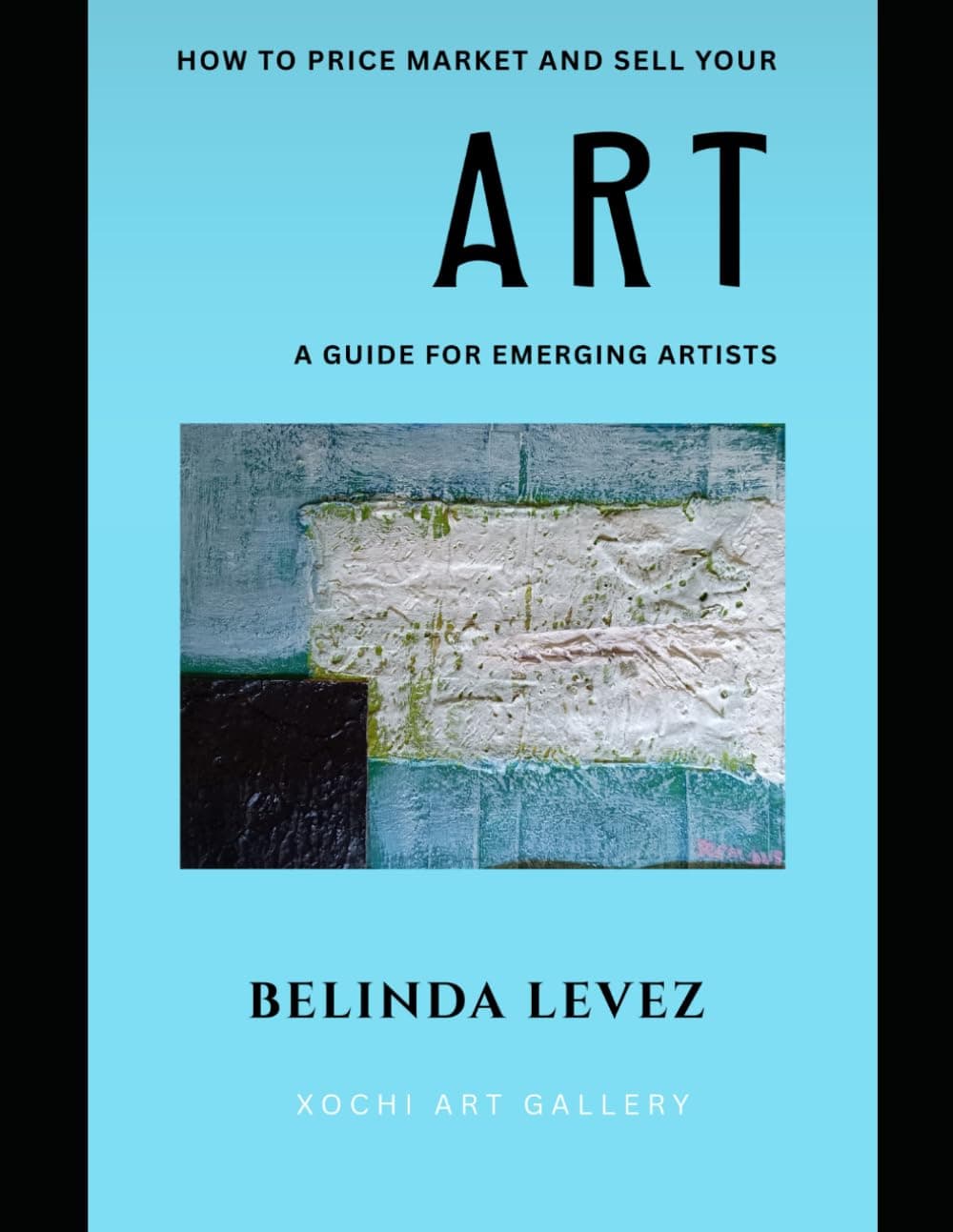
How to Price, Market and Sell Your Art
Ready to take your art career to the next level? This comprehensive guide by Belinda Levez offers practical strategies for emerging artists ready to grow.
Never miss a Feature.
Exhibitions • Interviews • News
Est. 2024