Xochi Magazine.
By Gallery Founder Belinda Levez
Why Serious Collectors Never Like Your Posts
Author
Belinda Levez
Published
Jan 2026
Share
Why Serious Collectors Never Like Your Posts
and why that’s not a problem
Collecting as a Private Practice
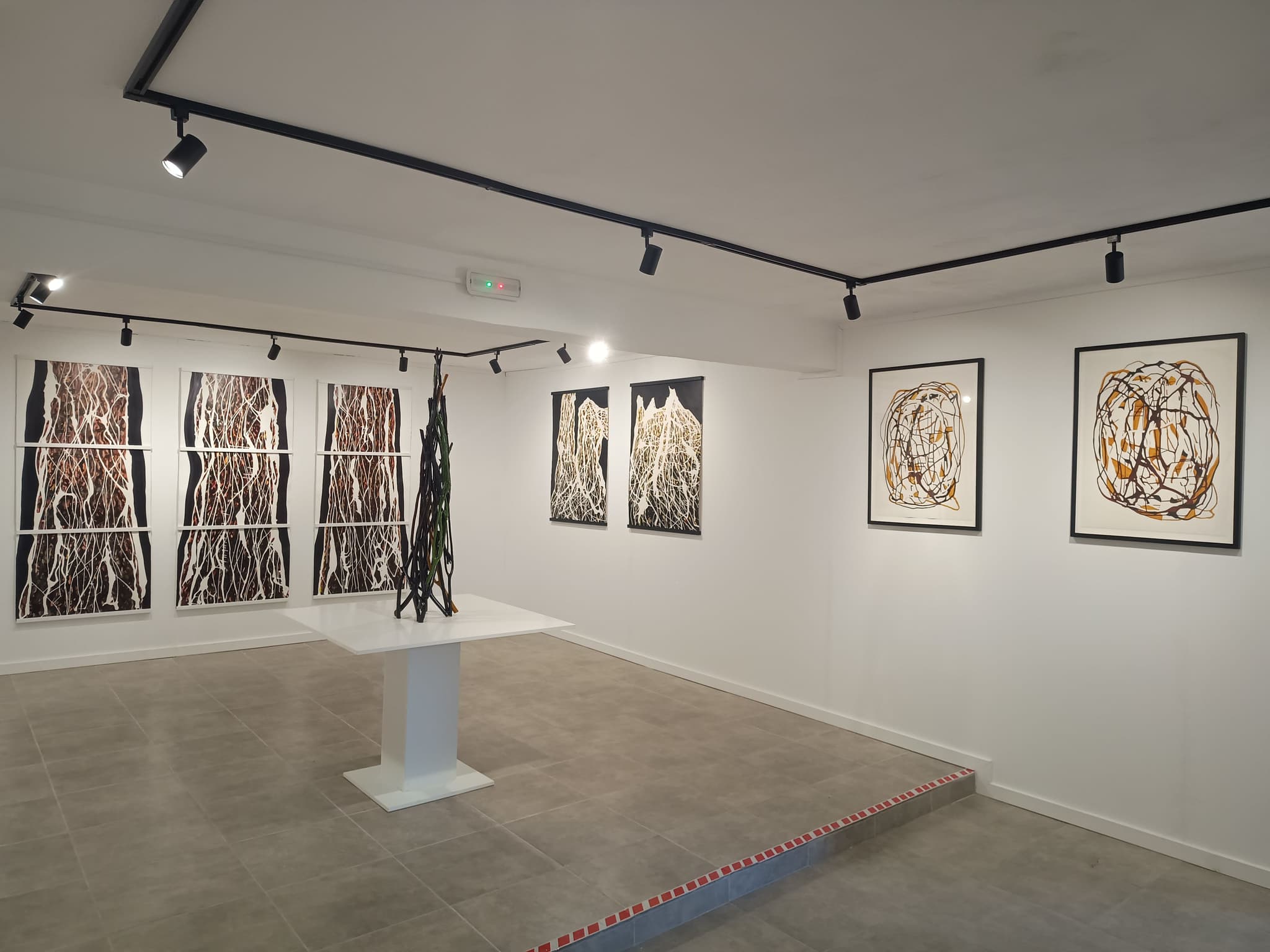
Art collecting is deeply personal. Unlike fans of lifestyle brands or entertainment content, collectors approach art as a long-term investment of taste, identity, and emotional engagement. Publicly endorsing a post can feel superficial compared to the depth of engagement they bring to exhibitions, studio visits, and acquisitions.
For many collectors, meaningful interaction occurs offline: in galleries, at art fairs, during private viewings, or through direct communication with artists or gallerists. Social media, while a convenient observation tool, rarely reflects the full spectrum of their engagement.
Discretion as Cultural Capital
In the art world, silence is often strategic. Collectors understand that public enthusiasm can signal trend-following or speculative behavior. Remaining quiet demonstrates confidence, independence, and discernment—qualities that carry weight in a field where reputation is carefully curated.
For emerging artists, this can be counterintuitive. A post with few likes does not indicate failure; it may indicate that the audience includes precisely the right, highly discerning individuals. Silence, in this context, is a mark of seriousness rather than neglect.
Social Media as Broadcast
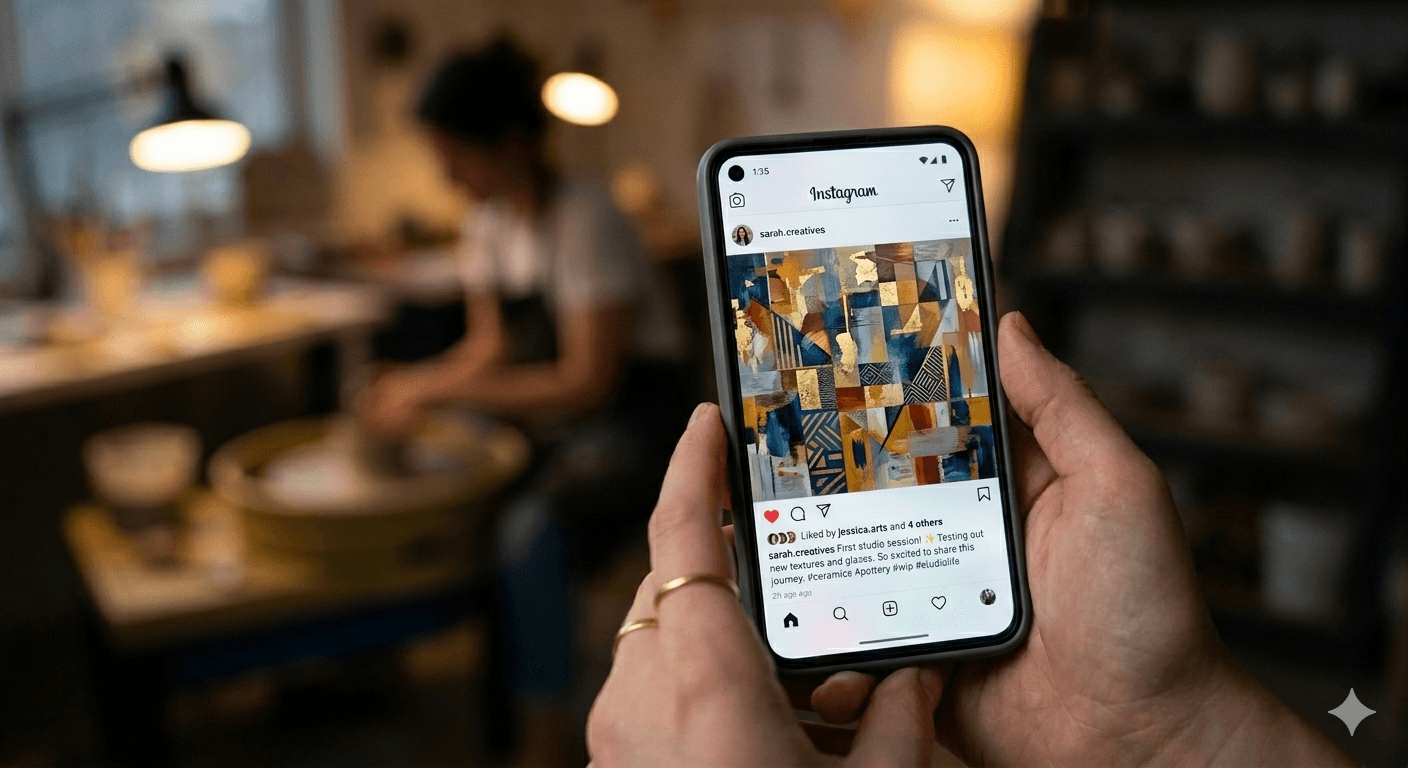
Collectors frequently perceive social platforms as broadcast channels rather than spaces for conversation. Posts are informational, documenting exhibitions, acquisitions, and announcements—they are rarely invitations for public interaction.
Consequently, engagement tends to be private. An email, a direct message, or a studio visit may follow a post, but the public “like” or comment is not part of the collector’s toolkit. For emerging artists, recognizing this distinction is crucial: metrics may underestimate the quality and depth of engagement.
Visibility Can Be Risky
Public interaction on social media carries potential downsides. Liking or commenting can attract unwanted attention, pressure, or assumptions about intent. Collectors who value autonomy often choose invisibility as a form of self-protection.
Additionally, in a market where perceived interest can influence pricing and perception, visible activity may unintentionally distort the trajectory of an artist’s work. Silence, therefore, can be an ethical and strategic choice.
Generational and Cultural Factors
Many active collectors today are not native to social media culture. They may use platforms as research tools but not as expressive environments. For these collectors, silence is neutral, not negative. Their engagement is measured through attention, observation, and eventual acquisition rather than through likes or comments.
Even younger collectors, while more digitally fluent, often adopt the same approach once they reach a certain level of seriousness: public signals are less valuable than private knowledge and discernment.
The Limits of the “Like” Economy
While likes function as social currency in many creative industries, the art world measures value differently. Collectors are guided by critical discourse, curatorial context, institutional validation, and time. Public engagement rarely aligns with these priorities. Acquisitions, sustained observation, and private advocacy matter far more than digital gestures.
Quiet Engagement, Real Impact
Social media is often the first step in a long engagement arc. A post may lead to research, a gallery visit, or a private inquiry that ultimately results in acquisition. While invisible to public metrics, this engagement is profound. Emerging artists who measure success solely by likes or comments risk misinterpreting the audience they truly want to reach.
A small, quiet audience of collectors can be more consequential than hundreds of vocal followers. Understanding this helps artists focus on meaningful engagement rather than chasing superficial metrics.
Rethinking Social Media Strategy
For emerging artists, the takeaway is clear: social media should be treated as a tool for visibility and documentation, not as a definitive measure of success. Consistency, clarity, and quality of presentation matter far more than the number of likes or comments a post receives. Collectors are often watching quietly, evaluating artists’ practice, commitment, and growth—long before they ever signal interest publicly.
Insider Advice for Emerging Artists
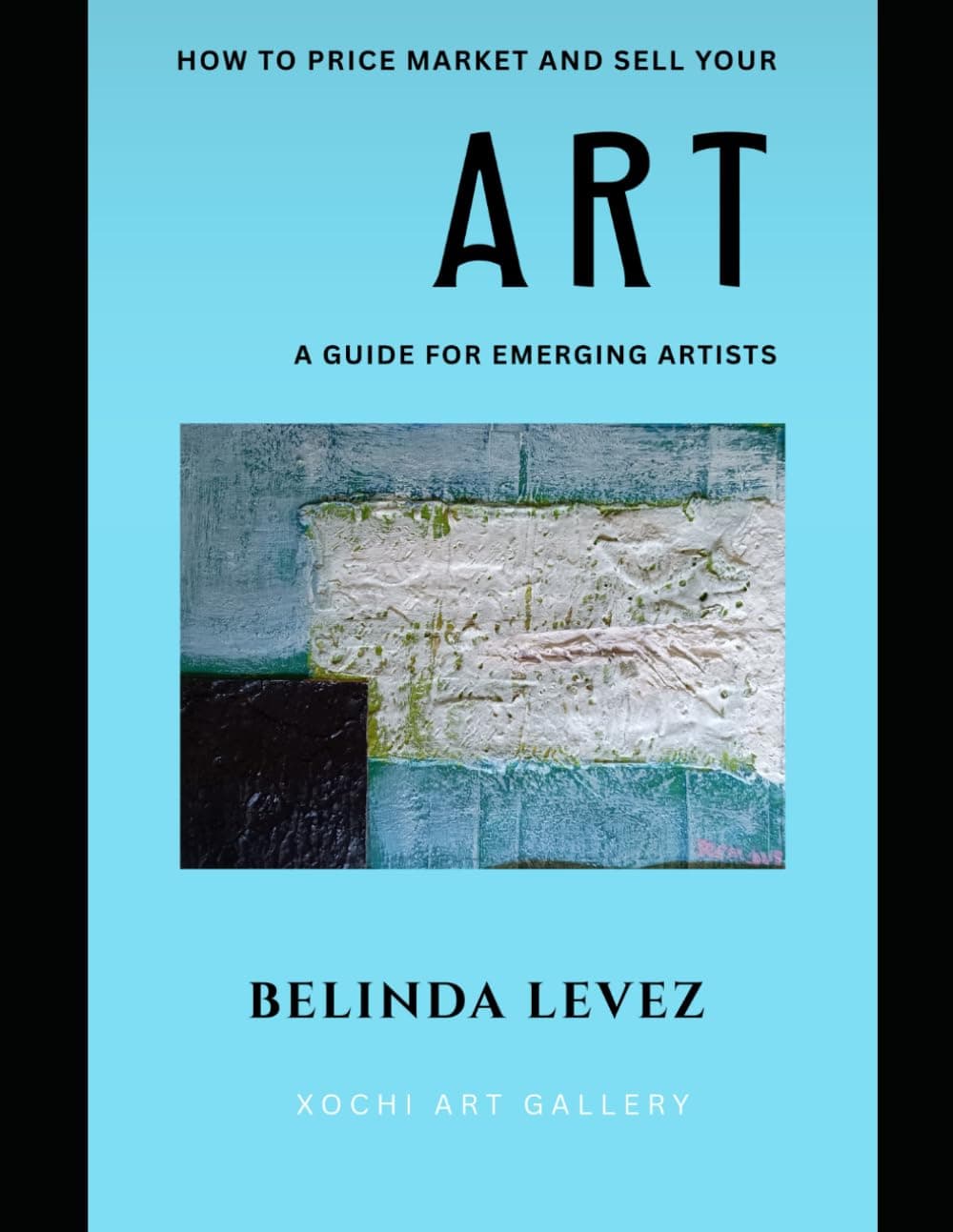
Understanding collector behavior is just one part of navigating the art world. For emerging artists seeking more insider tips on building relationships, understanding collectors, and strategically using social media, Belinda Levez’s book provides practical guidance. It offers insights drawn from years of experience working with collectors, galleries, and artists, helping emerging artists make informed decisions that go beyond superficial metrics.
Conclusion
Collectors rarely like or comment on social media posts not because they are indifferent, but because they operate according to a different set of values: discretion, depth, independence, and long-term engagement. For emerging artists, recognizing this can alleviate anxiety, inform strategy, and highlight the pathways that truly matter—studio practice, gallery relationships, and thoughtful professional development. Silence, in the art world, is often the loudest sign of serious attention.
For Artists
Deepen your professional strategy with Belinda Levez's practical resources, submission guidance, and the complete artist guide.
How to Price, Market and Sell Your Art
Ready to take your art career to the next level? This comprehensive guide by Belinda Levez offers practical strategies for emerging artists ready to grow.
Never miss a Feature.
Exhibitions • Interviews • News
Est. 2024