Xochi Magazine.
By Gallery Founder Belinda Levez
Avoiding Social Media Creep
Author
Belinda Levez
Published
Feb 2026
Share
Avoiding Social Media Creep
Why Artists Should Be Creating, Not Chasing the Algorithm
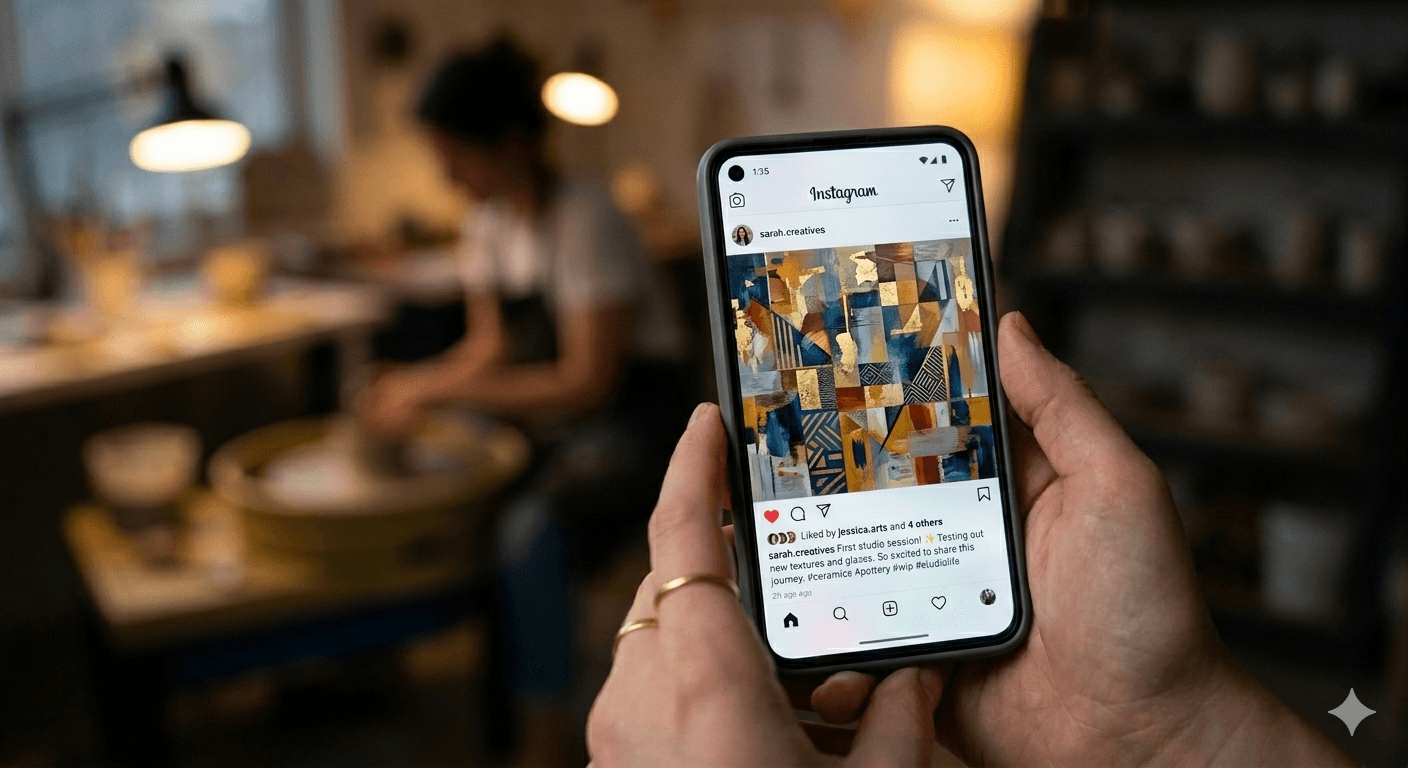
In today’s world, it can feel like you are always online. Having a social media presence is important, but when scrolling, posting, and chasing engagement take over, little time is left for creating. Your main focus as an artist should be on making work. So how can you manage social media efficiently while keeping your creative practice at the center?
Social media creep happens when the hours you spend online quietly eat into your studio time. Likes, shares, and comments can feel like validation—but for most serious collectors, these signals mean very little. In the age of endless feeds and algorithms, it’s easy to feel like your time online is as important as your time in the studio. The key is to use social media intentionally as a tool, not a distraction, so that creation—not the algorithm—remains your priority.
Research shows that artists are spending a growing portion of their professional time online, mainly on social media, websites, and email. Surveys indicate that over 60% of creative professionals spend more than 10 hours per week on digital activities, and over 70% of visual artists report 5+ hours weekly on social media alone. Frequent digital engagement can reduce deep work and studio time. These findings highlight that social media creep is a real phenomenon competing with the time you need to create.
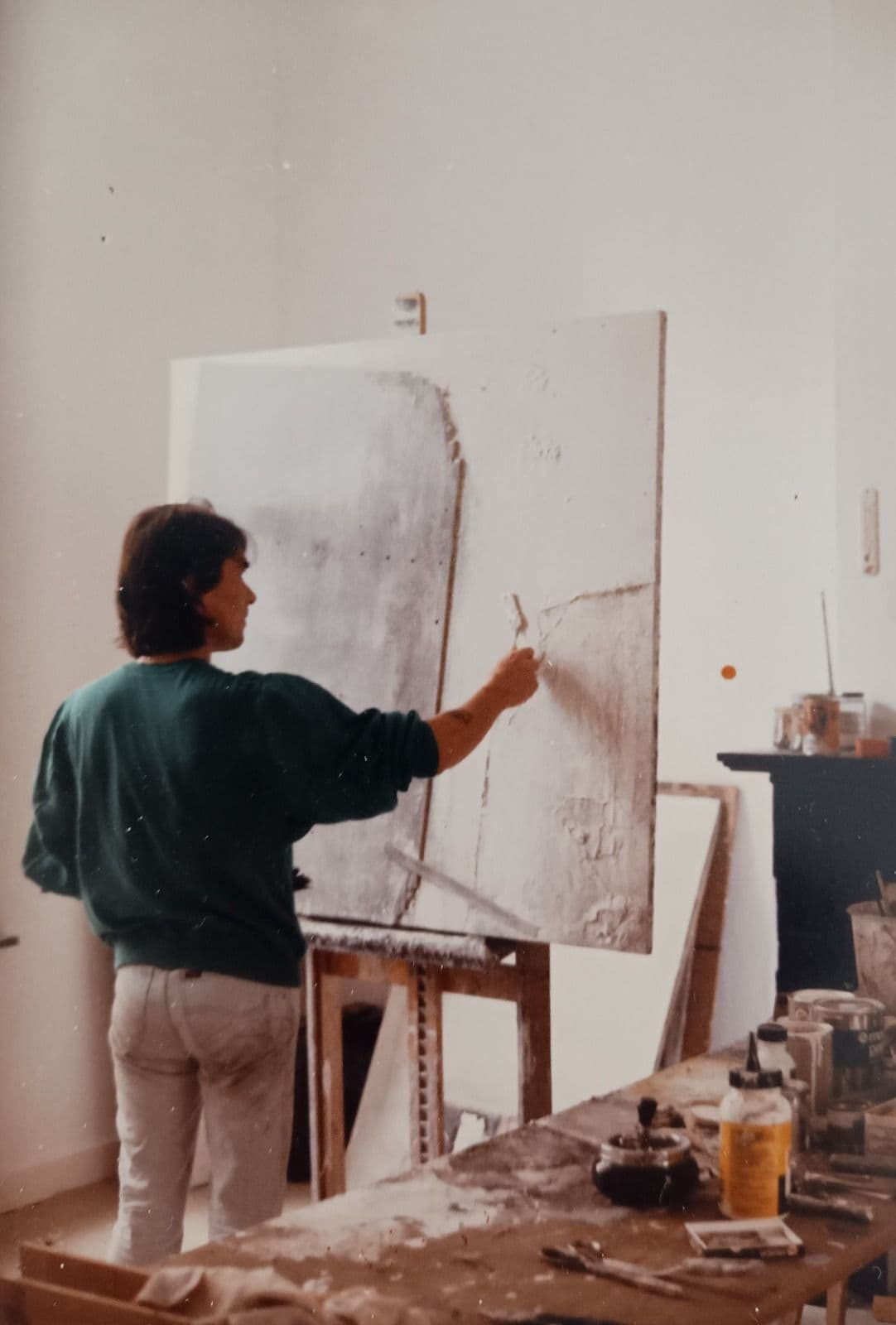
I am old enough to remember pre-internet times, when artists were not expected to be constantly visible in order to be taken seriously. Visibility came through exhibitions, critical writing, and word of mouth—not daily posting or chasing metrics. Promotion was episodic and contextual, allowing you to focus most of your time on creating. That slower model shaped expectations around seriousness and longevity—standards that still quietly influence how collectors and institutions evaluate artists today.
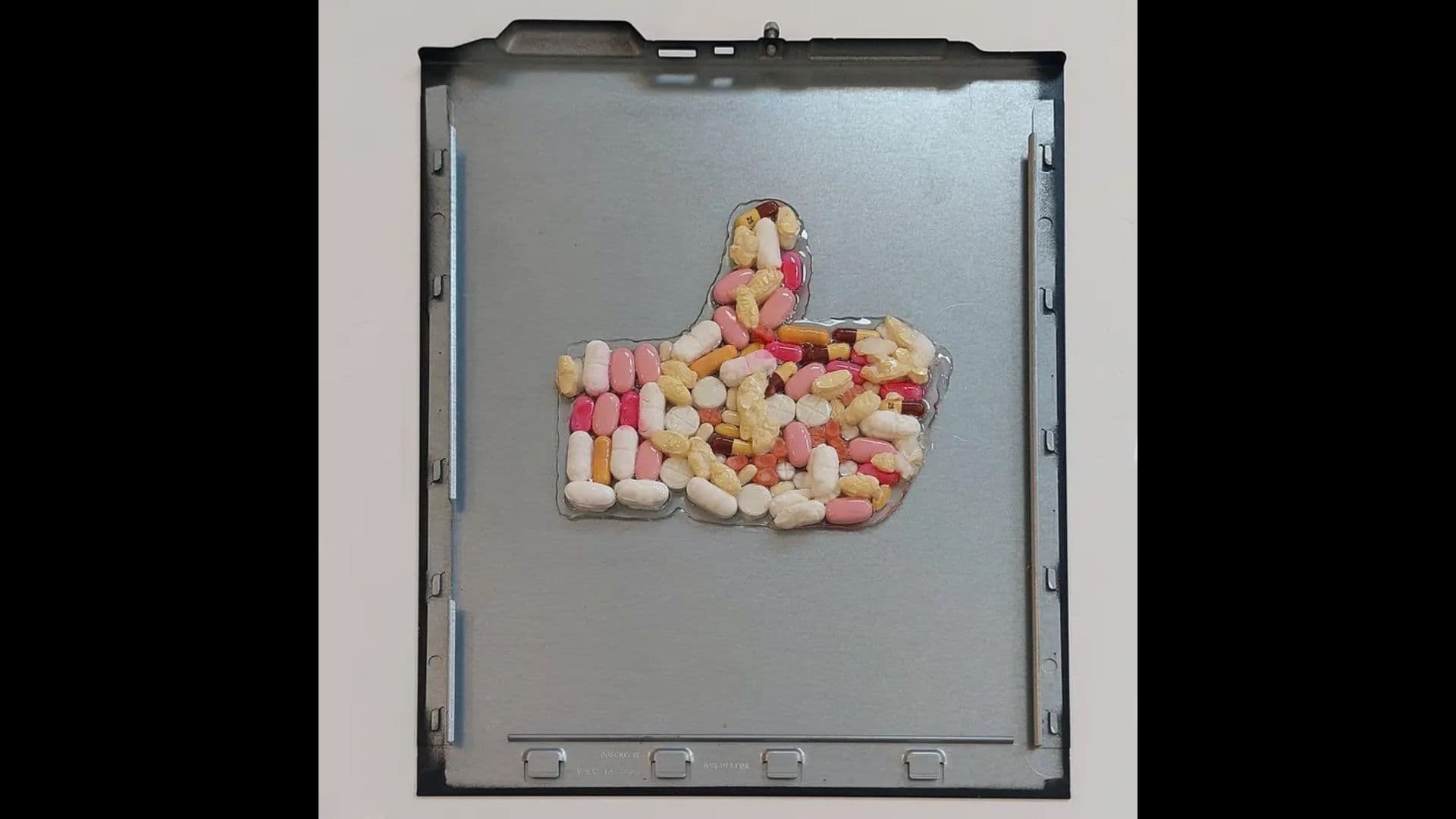
Time-Box Your Social Media
The most effective way to prevent social media creep is to set strict limits on when and how long you engage online. Instead of checking platforms multiple times a day, schedule one or two focused sessions per week. During these sessions, post content, respond to messages, and check analytics. Outside these windows, resist the urge to scroll or react. Protecting uninterrupted studio time ensures that creation remains your priority.
Focus on High-Signal Platforms
Not all social media is equal when it comes to connecting with collectors or meaningful audiences. For most artists, Instagram is best for visual discovery and LinkedIn for credibility and professional context. Other platforms, like TikTok or X, are less likely to reach serious collectors and often contribute to distraction. Limit your presence to the platforms that serve your goals, and treat them as tools, not obligations.
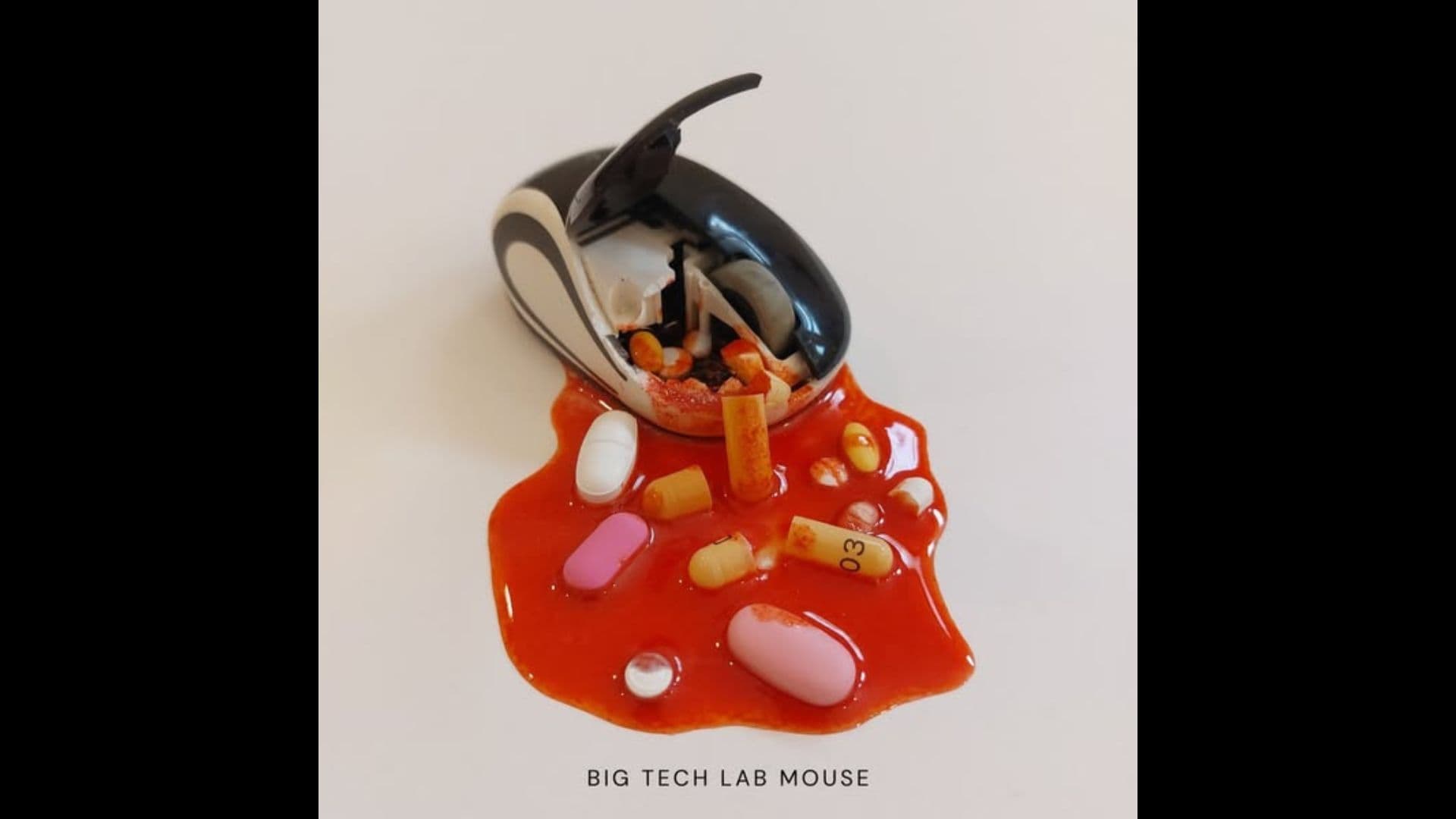
Batch Your Content
Create and schedule posts in blocks rather than posting in real time. Spend an hour or two every couple of weeks preparing multiple Instagram posts and one or two LinkedIn updates. This reduces the mental load of daily posting, ensures consistency, and prevents social media from fragmenting your creative focus. Once your content is ready and scheduled, you can return to the studio with a clear mind.
Measure the Right Signals
Forget likes, comments, or follower counts. Instead, focus on:
- Profile visits
- Website clicks
- Direct inquiries from collectors or galleries
These are the real indicators that your social media presence is working, without demanding constant attention or energy.
Let Creation Lead
Finally, remember why you started: to create art. Social media is a support system, not the work itself. Every post, story, or update should serve the purpose of showcasing your work or connecting with your audience intentionally—not filling time or seeking validation. When creation leads and social media follows, you avoid burnout, maintain quality, and build credibility with the audiences that matter most.
In the end, social media should serve your art, not compete with it. By setting boundaries, focusing on high-impact platforms, batching content, and measuring the signals that matter, you can reclaim your time and attention. The most compelling work comes from those who are creating consistently, thoughtfully, and without distraction. Let the algorithm exist in the background—your studio, your ideas, and your art should always come first.
References
- European Commission, Creative Economy Reports, 2020
- National Artists’ Union, 2022
- American Psychological Association, research on digital attention
- Computers in Human Behavior
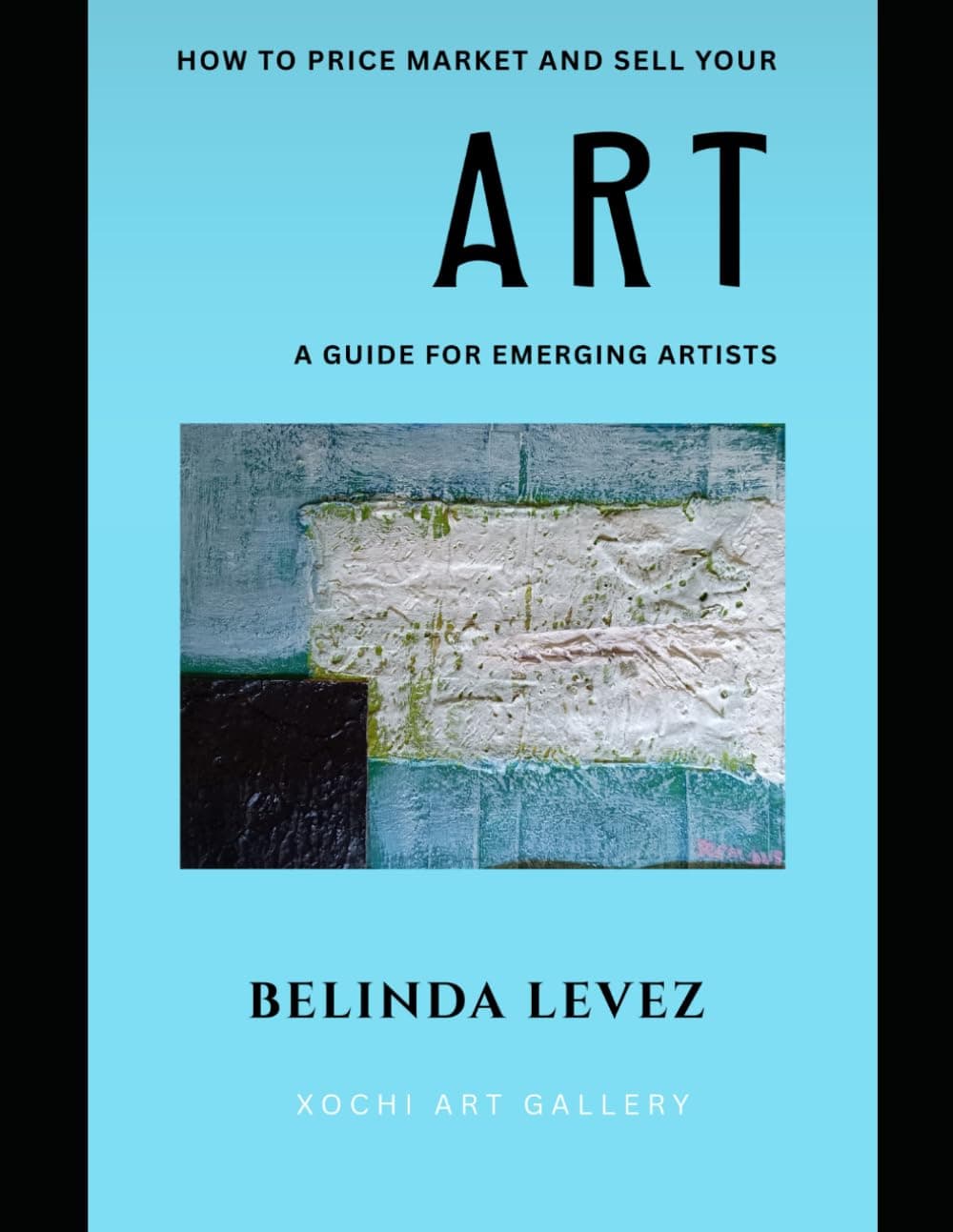
How to Price, Market and Sell Your Art
Ready to take your art career to the next level? This comprehensive guide by Belinda Levez offers practical strategies for emerging artists ready to grow.
Never miss a Feature.
Exhibitions • Interviews • News
Est. 2024