The Revolution of the Ordinary: History, Masters, and the Evolution of Pop Art
Explore the history and evolution of Pop Art, from its origins in postwar Britain and the iconic works of Warhol and Lichtenstein to its contemporary reinterpretation. Discover how artist TROY, represented by Xochi Art Gallery, challenges artistic conventions through experimental materials, digital culture and a provocative transhuman perspective.
Belinda Levez · 04 Nov 2026
Pop Art stands as one of the most transformative movements in modern art history. Arising in the mid-20th century, it expanded the aesthetic landscape by embracing commercialism, advertisement graphics, comic strips, and everyday consumer products. What began as a critical engagement with consumer culture in postwar Britain and the United States has evolved into an enduring visual dialect, one that continues to be reimagined today by artists such as TROY, represented by Xochi Art Gallery.
The Origins and History of Pop Art
The foundations of Pop Art were established in Britain during the 1950s, particularly through the work of the Independent Group, a collective of artists, architects, and critics associated with London's Institute of Contemporary Arts. Members including Eduardo Paolozzi and Richard Hamilton explored the growing influence of advertising, mass media, consumer goods, and American popular culture, incorporating these everyday images into their artistic practice. Hamilton’s 1956 work, titled Just what is it that makes today's homes so different, so appealing?, stands as an important early visual expression of these ideas. British critic Lawrence Alloway is generally credited with popularising the term "Pop Art" in the late 1950s.
Across the Atlantic, American artists developed their own interpretations of this emerging visual language. Jasper Johns and Robert Rauschenberg, often associated with Neo-Dada, served as important precursors to American Pop Art, helping bridge the gap between Abstract Expressionism and the imagery of everyday life.
The 1960s became the defining decade for the movement, as it gained momentum in the United States. Artists such as Andy Warhol, Roy Lichtenstein, and James Rosenquist transformed commercial imagery, celebrity culture, advertising, and comic-book aesthetics into influential works of fine art. Later artists, including Keith Haring and Jean-Michel Basquiat, extended aspects of Pop Art's engagement with popular imagery and mass culture into street art, contemporary urban expression, and socially engaged visual language.
Major Masters of the Movement
The historical core of Pop Art was shaped by visionary creators who turned industrial and commercial production techniques into celebrated studio practices.
Andy Warhol transformed icons of American commerce and fame into monumental artworks. Utilizing photographic screen-printing, Warhol duplicated images of Campbell's Soup cans, Coca-Cola bottles, and figures such as Marilyn Monroe and Elvis Presley. His New York studio, The Factory, operated on an assembly-line model, deliberately questioning traditional ideals of individual craftsmanship and artistic singularity.
Roy Lichtenstein gained international recognition by adopting the visual syntax of commercial comic books. He meticulously hand-painted large-scale canvases replicating Ben-Day dots, the regular patterns of dots used in commercial printing to create shading, texture, and colour. Works like Whaam! (1963) and Drowning Girl (1963) reframed narrative pulp illustration within the formal context of gallery spaces.
Contemporary Evolution: TROY at Xochi Art Gallery
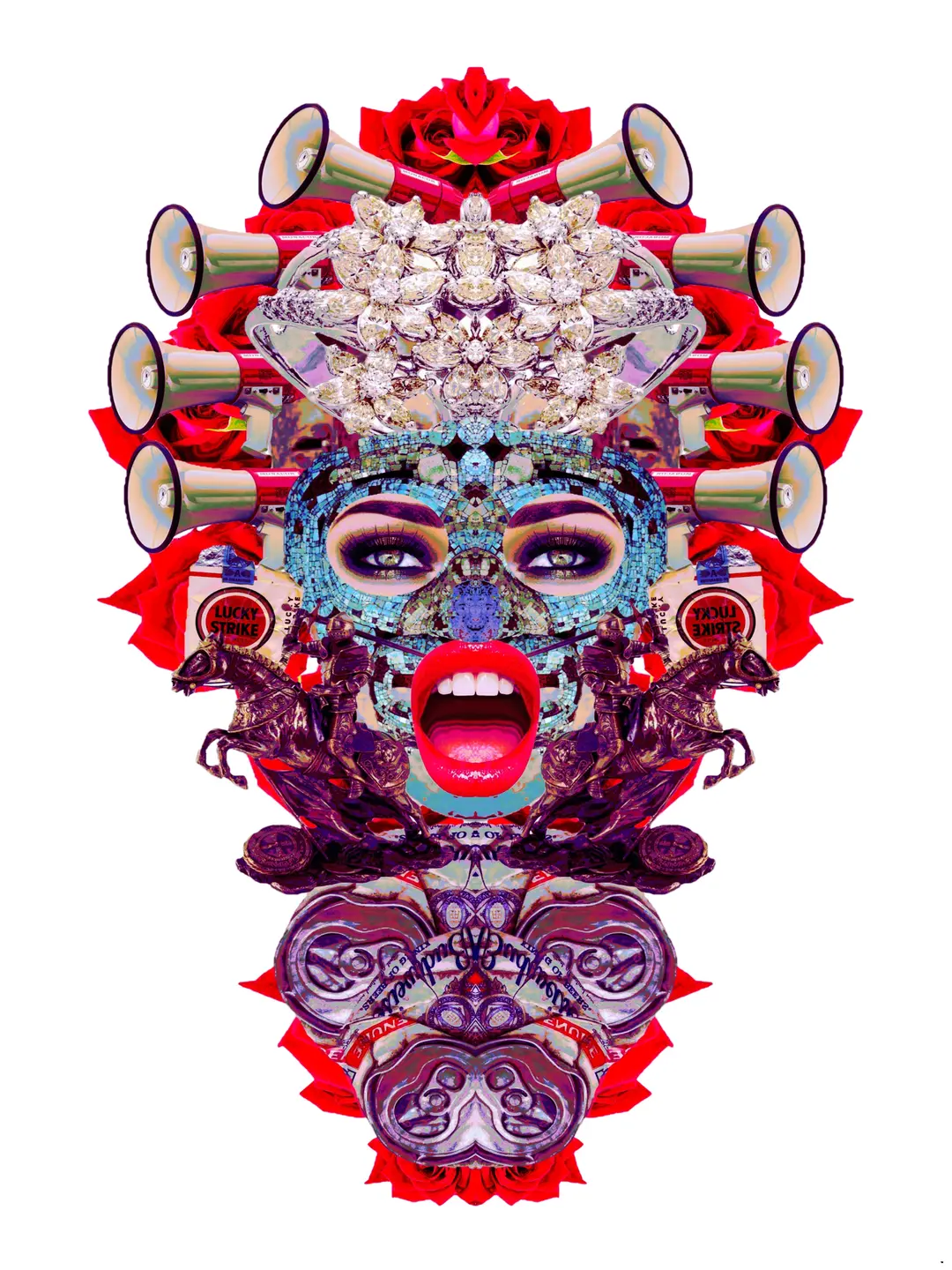
In the 21st century, Pop Art's legacy continues to evolve through digital media, new materials, and shifting perspectives on identity and technological mediation. An intriguing contemporary interpretation of the Pop Art legacy comes from TROY, an artist represented by Xochi Art Gallery in Portugal.
TROY adopts the conceptual posture of a "transhuman entity posing as a visual artist." Rather than a literal description, this persona serves as a lens through which the artist critiques our hyperconnected world. By framing the creative self as an entity synthesized between human emotion and digital network culture, TROY examines how modern identity is constructed, fragmented, and mediated by technology.
The Artist's Statement
TROY’s ethos captures a direct, visceral approach to art-making:
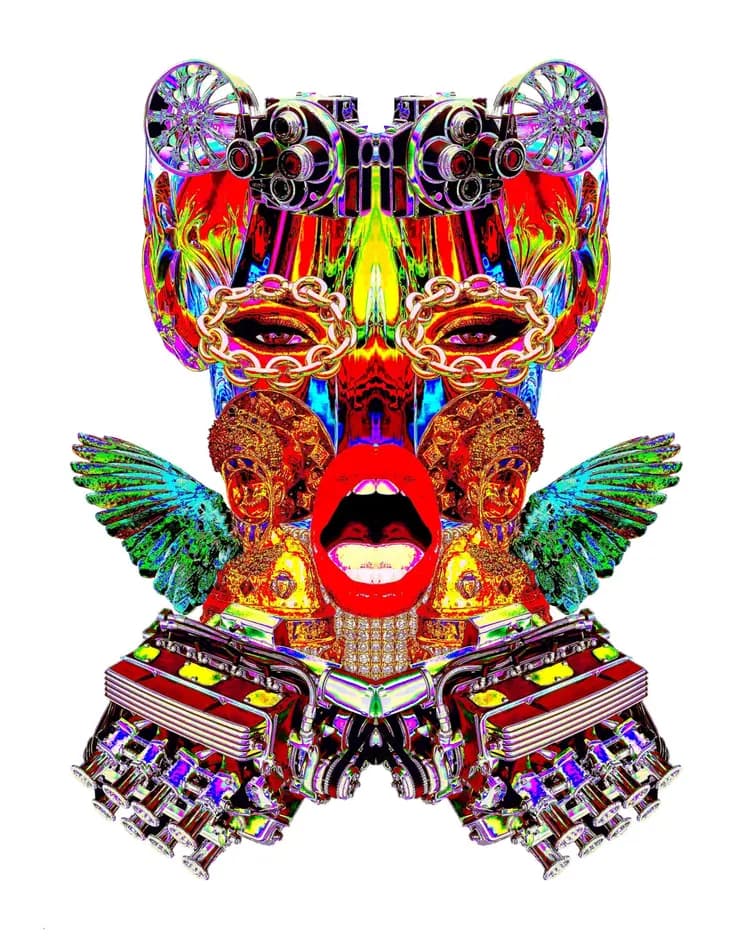
"Art is a bear hugging you in the freezing cold winter. Art is chaos. Art is throwing a brick through the window. Art is not giving a fuck. Art is a hot rod."
Decoding TROY’s Practice
TROY’s statement rejects academic distance in favor of immediate sensory impact. Describing art as throwing a brick through a window aligns with Pop Art’s historical role as a deliberate disruption of institutional norms.
The imagery of a bear hugging someone in the freezing cold balances aggressive force with protective warmth, pointing to a layer of emotional vulnerability beneath energetic visual compositions. Meanwhile, invoking a hot rod highlights speed, mechanical power, and American subcultural rebellion.
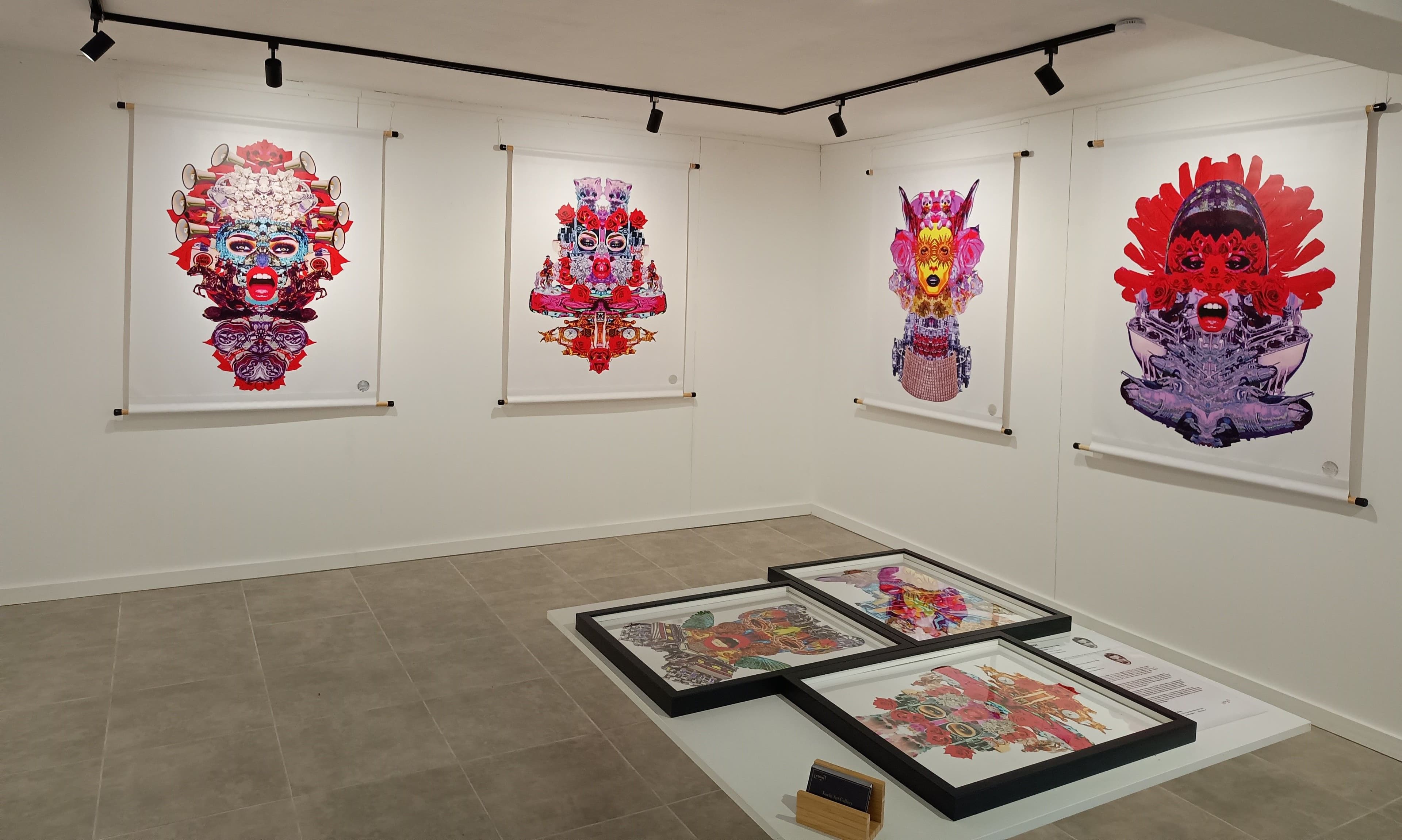
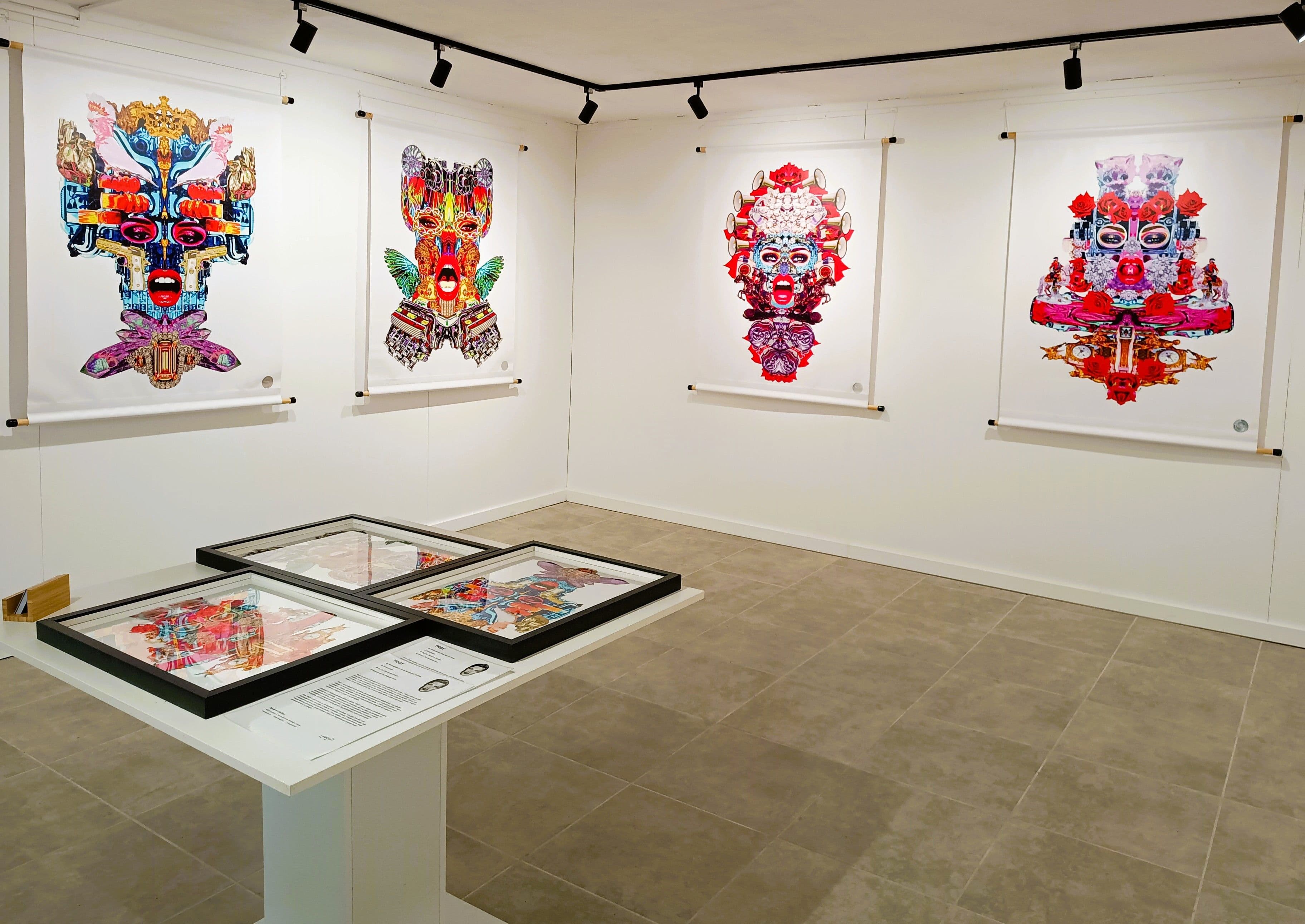
Moving beyond conventional painting and printmaking, TROY explores experimental formats and materials. Collections like Totems feature fine art prints on industrial vinyl hanging scrolls, alongside series such as Ex Nihilo and The Redacted Zone. Through these physical and digital media, TROY carries forward the Pop tradition of adopting modern industrial materials to probe contemporary life.
Pop Art and the Changing Definition of Fine Art
Rather than setting Pop Art against a single monolithic tradition, its historical significance is best understood by looking at how it expanded fine art definitions across key creative dimensions:
- Subject Matter: Traditional fine art movements frequently prioritized historical narrative, classical mythology, landscape, or pure non-objective abstraction. Pop Art redirected focus toward consumer products, mass media figures, advertising logos, and vernacular graphic arts.
- Technique and Process: While many traditional fine art practices placed emphasis on individual craftsmanship and direct manual execution, Pop Art embraced commercial and industrial processes, including screen-printing, mechanical reproduction and mass-produced materials.
- Color and Visual Palette: The movement moved away from naturalistic chiaroscuro or subtle tonal modeling, adopting flat primary colors, high-contrast graphic fields, fluorescent dyes, and commercial inks.
- Philosophical Orientation: Historically, fine art was often positioned as an elevated sphere separated from mundane life. Pop Art operated as an accessible, direct engagement with the visible realities of everyday modern culture.
The Enduring Revolution of Pop Art
Nearly seven decades after its emergence, Pop Art continues to challenge the boundaries between fine art, popular culture, and everyday life. Its influence extends far beyond the iconic imagery of Warhol and Lichtenstein, finding new expression through contemporary materials, digital technologies, and evolving cultural narratives.
Artists such as TROY demonstrate how the movement's original spirit of disruption can be reinterpreted for a new generation. Through experimental materials, bold visual language, and explorations of contemporary identity, TROY carries forward the questioning, provocative character that made Pop Art revolutionary.
At Xochi Art Gallery, this continuing dialogue between artistic heritage and contemporary expression reflects the enduring relevance of Pop Art: its ability to challenge perceptions, provoke responses, and transform the familiar into something unexpected.
Continue reading