10 Reasons Your Gallery Submission Ends Up in the Bin
The number one complaint from artists about gallery submissions is almost always: “I never hear back from the gallery.”
This frustration takes many forms: silence that feels dismissive, rejection without explanation, or impatience for a response. From the artist’s perspective, submitting work is a vulnerable process, and not receiving acknowledgment can feel discouraging or even disrespectful. Yet in most cases, the submission has already been set up for failure—galleries often know within seconds whether a portfolio shows originality, professionalism, and conceptual depth. Understanding the common reasons submissions are rejected is the first step toward avoiding the bin and giving your work a real chance to be seen.
1. Your Work Lacks an Original Voice
The most critical reason a gallery will reject a submission is a lack of original voice. Galleries are not looking for technical proficiency alone—they are looking for artists who can express a perspective, a vision, and a style that is unmistakably their own. Your work should have a presence that immediately signals: this is created by this artist, no one else.
I recently received a submission where the artist had split their portfolio into several sections: a Basquiat collection, a Banksy collection, and additional sections styled after other well-known artists. Even though the works were labeled as inspired by those artists, it was painfully clear that the portfolio lacked a unique artistic identity. As a gallery, I am not interested in copies of famous artists. Inspiration is fine—but inspiration should be transformed through your own vision.
If your work looks like anyone else’s—even subtly—it will not stand out. Even if you don’t label the pieces as being in another artist’s style, it is obvious when a body of work is derivative. To succeed, your work must be so different that it is instantly recognisable on its own. Originality isn’t just about style—it’s about the ideas, perspective, and emotion embedded in your work, combined with a coherent, consistent voice that only you can produce.
In short, a gallery wants to see an artist who is confident in their own vision, not someone testing what has worked for others. Developing this unique voice takes time, experimentation, and honesty with yourself about what sets your work apart.
2. Your Work Lacks Conceptual Depth
A common issue with submissions is work that is primarily decorative or aesthetically pleasing, but lacks philosophy, conceptual grounding, or intellectual vision. While technically competent or visually attractive, this type of work often reads as surface-level and doesn’t engage with ideas, questions, or cultural conversations—qualities that galleries look for in contemporary art. Simply producing work that “looks nice” is not enough; galleries are not shops, and your portfolio should not resemble products meant for decoration.
Art galleries seek work that challenges, inspires, or provokes thought. A strong submission demonstrates that your practice is driven by inquiry, concept, or narrative, rather than just pattern, color, or trend. Artists who focus solely on decoration risk their work being dismissed, not because it lacks skill, but because it lacks the intellectual and emotional depth that defines work worthy of exhibition. In short, galleries are looking for work that matters, not just what is visually pleasing.
3. Your Portfolio Lacks Cohesion
A collection of excellent individual works can still fail if it lacks a coherent voice or style. Galleries are looking for an artistic trajectory—a body of work that demonstrates consistency, development, and conceptual clarity. Random or unrelated pieces give the impression of experimentation without focus. Even if each piece is strong on its own, without cohesion, it’s hard to see who you are as an artist and what your practice is really about.
4. You Are in a Highly Competitive World
Individual galleries receive hundreds of submissions each year, yet exhibition space is extremely limited and opportunities for new artists are scarce. Only about 6% of artists ever achieve gallery representation, which underscores just how selective the process is. You are competing not only against the quality of other portfolios but also against the distinctiveness and vision of hundreds of peers, all vying for the same limited opportunities.
Being unique isn’t optional—it’s essential. Galleries are looking for work that is immediately recognisable, compelling, and capable of sustaining long-term engagement with audiences. Your submission must demonstrate not only technical skill, but also a clear artistic voice, intellectual depth, and conceptual sophistication. Even excellent work can fail if it is indistinguishable from what other artists are producing.
Additionally, galleries are not just considering the individual piece, but the trajectory of your practice over time. They are evaluating whether you have the potential to grow, evolve, and maintain relevance within a competitive field. Understanding this reality is critical: you are not simply submitting a painting or sculpture—you are positioning yourself in a rigorous, selective ecosystem where only the strongest, most original, and thoughtfully presented work rises to the top.
5. Your Online Presence is Unprofessional
Your online presence is often the first way a gallery sees your work—and if it’s unprofessional, your submission is at a disadvantage before I even open the portfolio. Social media pages or websites that mix personal posts with your artwork dilute your professional identity and make it hard to focus on your practice.
Your cover photo or first image is critical. It should showcase your best and most recent work. If a piece is mediocre, don’t post it. Quality always beats quantity. I scroll through hundreds of portfolios, and often the cover photo alone tells me whether to continue reviewing or stop immediately. If the first few images don’t clearly present your art or your vision, the review usually ends there.
Think of your online presence as your professional gallery: it should be curated, intentional, and immediately convey who you are as an artist, with everything supporting your work rather than distracting from it. Maintaining a dedicated professional page allows galleries, collectors, and curators to engage directly with your practice, see your work in context, and understand your vision without unrelated noise. It also signals seriousness and professionalism, demonstrating that you treat your art as a committed practice and career rather than a hobby.
6. You Haven’t Researched the Gallery
Submitting blindly without understanding a gallery’s vision is a fast track to rejection. Galleries are public spaces—nothing stops you from walking in and learning more about how they operate, the kind of work they show, and the conversations they cultivate. Yet so many artists simply send off generic emails without ever exploring the space.
Generic emails that could have been sent to any gallery are easy to spot. It’s obvious when artists haven’t studied the gallery website, reviewed past exhibitions, or researched the intellectual ideas behind the gallery’s vision. A lack of awareness signals that you haven’t invested the time to understand the program or consider whether your work fits within it. Submissions that show no engagement with the gallery’s ethos are often dismissed immediately.
If you want to be taken seriously, do your homework. Visit the gallery, study its artists, understand its curatorial approach, and tailor your submission to demonstrate that your work is in dialogue with the space—not just with your own portfolio.
7. You Lack Professional Behavior
Unprofessional behavior—rudeness, entitlement, or impatience—can kill a submission faster than any technical issue. Galleries value respect, maturity, and the ability to work within professional frameworks.
Networking is essential, but there’s a line between professional engagement and behavior that feels intrusive or obsessive. Sending multiple messages, tagging the gallery repeatedly, or constantly asking for feedback crosses that line. Respectful, thoughtful engagement over time is far more effective than pressure.
Recently, an artist sent over a dozen messages—some several times a day. The result? I blocked that artist. Another kept messaging just to “chat,” without any focus on their work or understanding of the gallery. This kind of behavior signals unprofessionalism and entitlement, and it kills any chance of serious consideration.
Successful networking is subtle: follow the gallery and its exhibitions, engage with content when appropriate, and let your work speak over time. Persistence is good, but pressure and over-familiarity are counterproductive.
8. Your Submission Materials Are Poor
Even excellent work can be rejected if images are low-quality, portfolios incomplete, or artist statements unclear. Even strong work needs context. An artist statement that fails to explain your process, concept, or perspective makes it harder for a gallery to evaluate your work. The ability to articulate intent is part of being a professional artist. Presentation matters—it reflects your professionalism and ability to communicate your work effectively.
9. You Don’t Understand How Galleries Work
Representing an artist is not just about displaying work—it involves a gallery committing vast resources and time to promoting and supporting you. It is a carefully considered decision, and nothing about the process is instantaneous. Successful artists know that galleries often follow a practice over time. They take note of artists who consistently grow and develop. Expecting immediate feedback or quick assessments signals impatience and a lack of understanding of how galleries operate. Decisions are deliberate, and they take time because a gallery must evaluate your work against others and consider whether it aligns with their program and long-term vision.
10. You Lack Long-Term Commitment to Your Practice
Galleries invest in artists who are committed for the long term. They are looking for practitioners with longevity and a sustainable career trajectory, not short-term engagement. Submissions that come across as hobbyist—where the work is treated casually, posted sporadically, or shifts from one trend to another—signal a lack of dedication. Successful representation depends on demonstrating a serious, sustained practice. Galleries observe artists over time, tracking growth, consistency, and evolution. If your work appears to be a short-term experiment, or if you show little commitment to ongoing development, it is unlikely to be considered.
The Bottom Line
Gallery submissions are competitive. Originality, professionalism, research, and patience are non-negotiable. Focus on developing your voice, presenting your work effectively, and engaging thoughtfully with the art world. Those who do this steadily over time have the best chance of moving from the bin to the wall.
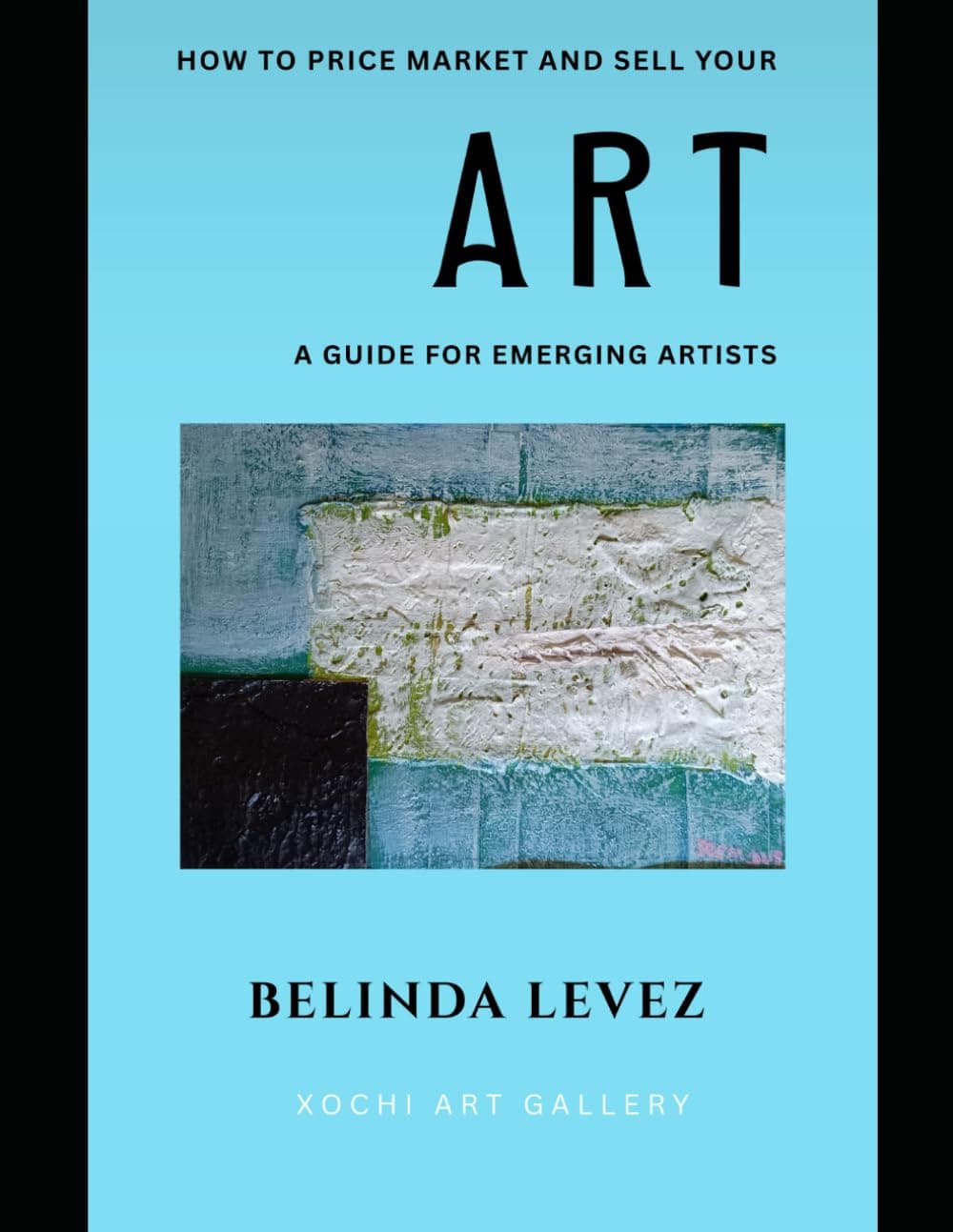
For artists looking to deepen their understanding of the professional side of the art business, Belinda Levez’s How to Price, Market and Sell Your Art: A Guide For Emerging Artists offers a practical and accessible guide to navigating pricing, presentation, and positioning your work within the art world.
More information is available here: https://xochi.art/book